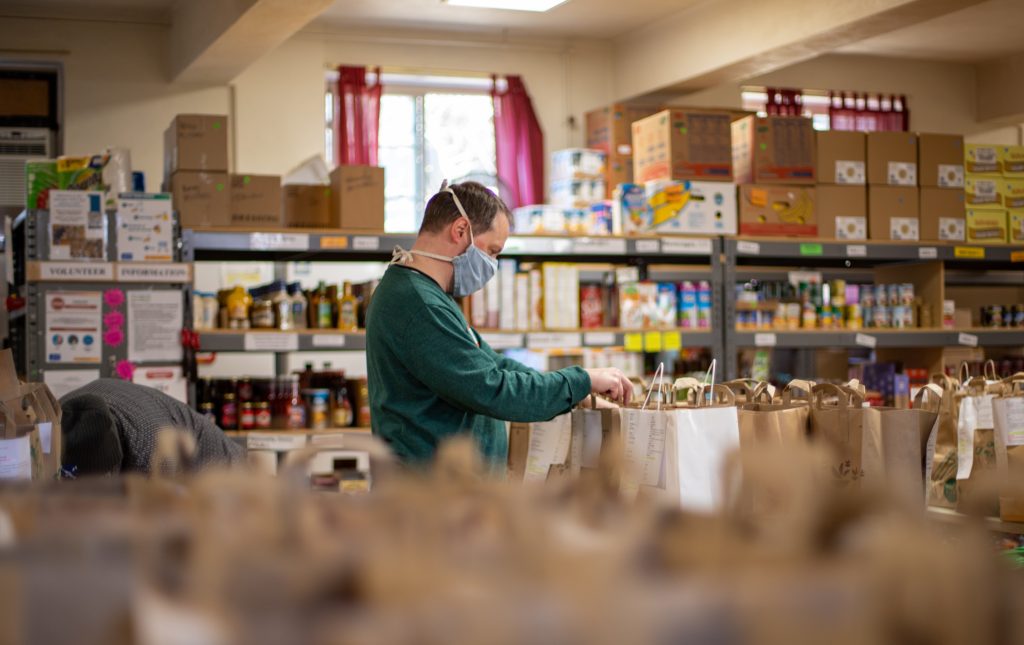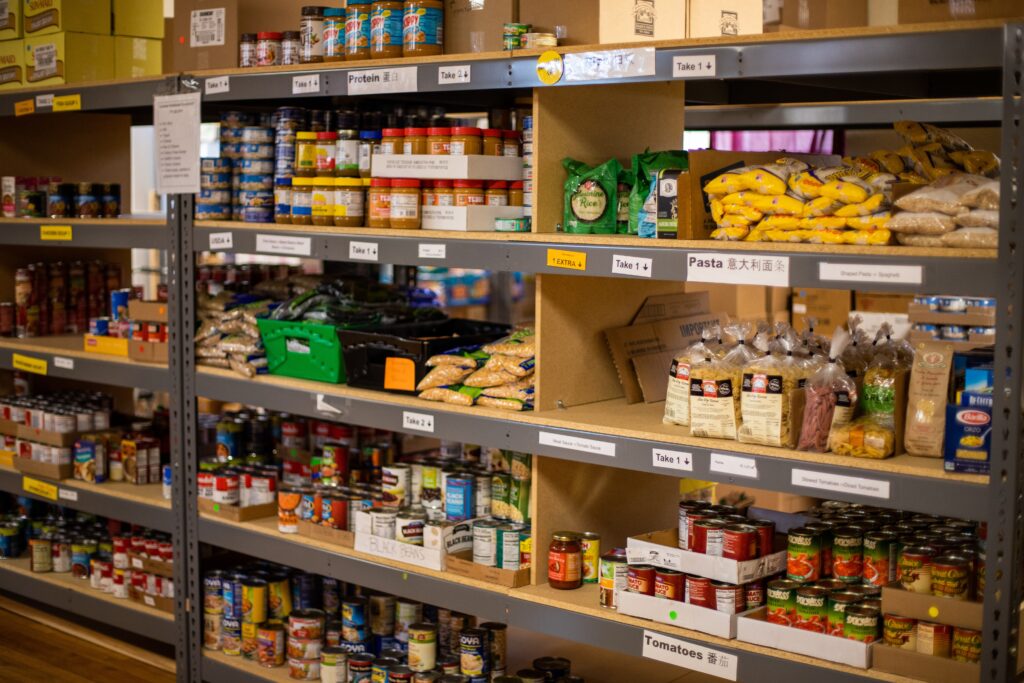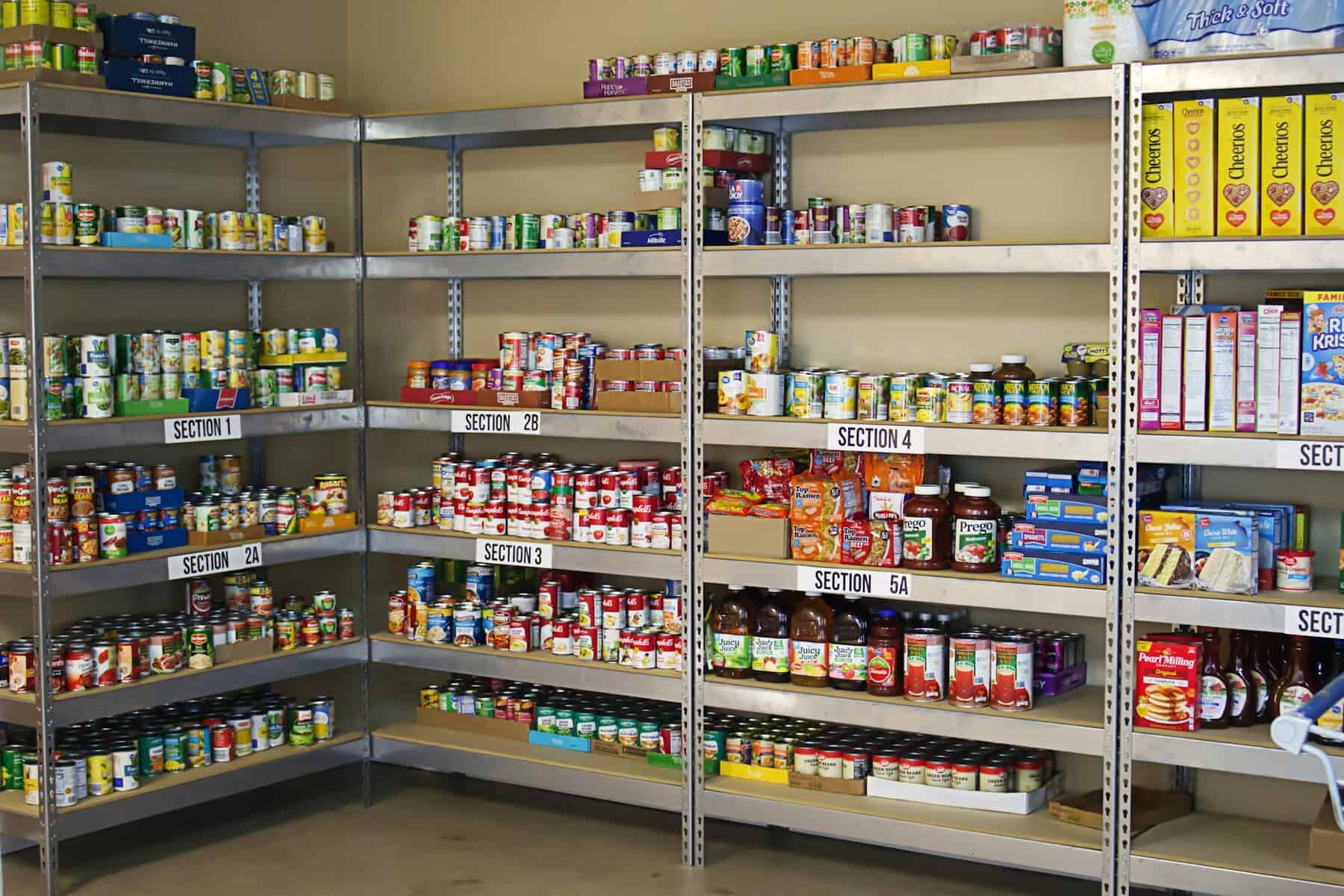
A growing number of families are scrambling to find food after the federal government shutdown halted SNAP (EBT) benefits. With benefits frozen in many states, households reliant on food assistance are turning to food banks, churches, and local nonprofits for emergency support. These organizations are working rapidly to bridge the gap, with many expanding hours and services. However, the rising demand is straining resources, prompting urgent calls for community action and greater coordination.
Churches Mobilize — But Not All Are Prepared
Across the country, churches have become critical hubs for emergency food relief. Many are partnering with food banks to stock pantries, while others are launching fresh outreach programs. Congregations that haven’t yet acted are being encouraged to coordinate food distributions or host pop-up grocery events. For those unsure how to begin, this church resource guide offers practical next steps. Still, critics argue that relying on churches places too much burden on faith-based groups, especially in underserved areas.
State and Local Resources Offer Limited Relief
The Food and Nutrition Service provides a state directory for residents to check local SNAP updates. Some states have temporary reserves to extend benefits, but many do not. Immediate food assistance is available by calling 1-800-5-HUNGRY or texting a ZIP code to 1-800-548-6479. Experts caution that with high demand, food pantries may have limited stock or shortened hours. Calling ahead is strongly advised.
Community Networks Step Up to Fill the Gap
Local resources are playing a vital role. Services like 211, Feeding America, Salvation Army, and Catholic Charities are offering immediate help. Faith-based groups, such as the Society of St. Vincent de Paul and local churches, continue to support those in need, regardless of their religious affiliation. Meals on Wheels and WIC are still available in many areas for seniors and families with young children. Critics argue that more federal coordination is necessary to prevent these essential programs from being overwhelmed.
Small Local Efforts Matter More Than Ever
Grassroots responses are proving crucial. Little Free Pantries and community fridges are popping up across the nation. Some school districts are ensuring meal continuity for students. In addition to meeting physical needs, churches are also encouraged to offer prayer and community meals, bringing comfort and care to struggling families.
Find a food pantry: here and here
Source:
Photo by Jacob McGowin on Unsplash
About Post Author