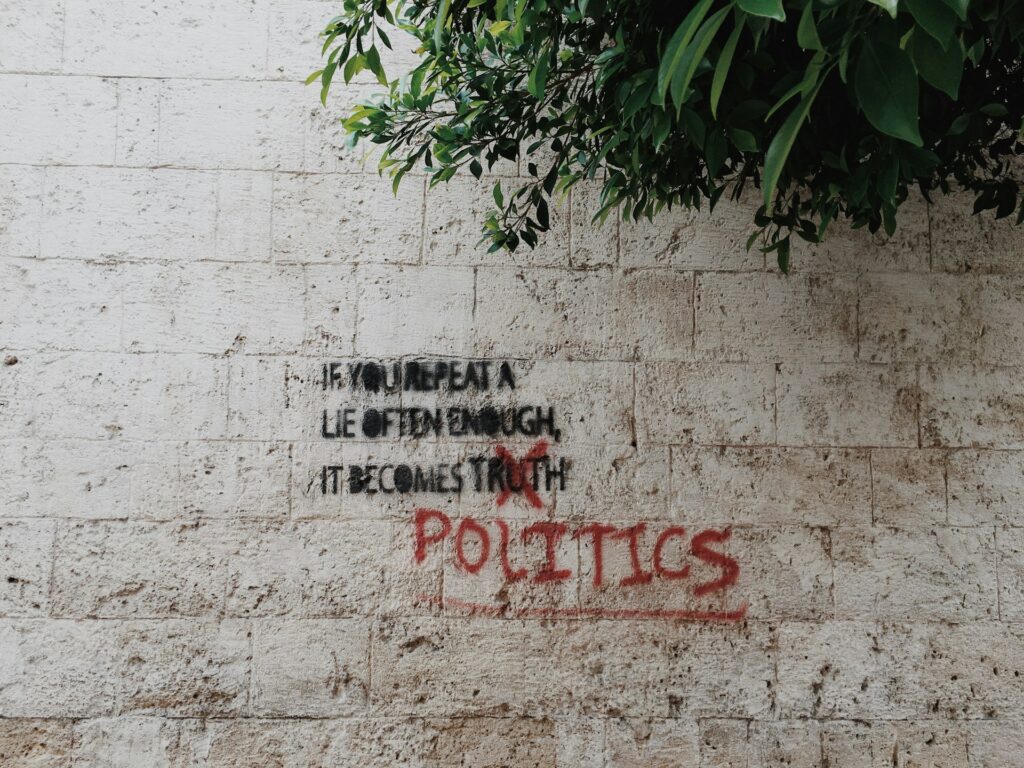
A Shift Toward Power-Centric Foreign Policy
The Trump administration has adopted an increasingly force-first approach to international relations, prioritizing raw strength over the law and legal norms. Vice President JD Vance recently declared military strikes on alleged drug smugglers in the Caribbean as “the highest and best use” of U.S. forces. When pressed about legality, he dismissed concerns, stating he doesn’t “give a s— what you call [them].” President Trump echoed this sentiment, suggesting that his personal morality is the sole check on his power abroad. These comments reveal a stark pivot from traditional commitments to international law.
Disregarding International Norms
Homeland Security Adviser Stephen Miller reinforced this outlook by asserting that the world is governed not by law but by “strength,” “force,” and “power.” While analysts agree the global order lacks centralized enforcement, critics warn this perspective is only half the truth. An absence of global enforcement mechanisms does not eliminate ethical obligations. Advocates of international law argue that legal standards remain essential for protecting human rights and preventing abuses.
Supporters See Strength, Critics See Risk
Supporters of Trump’s approach argue it reflects realism and acknowledges the anarchic nature of global politics. They believe America should act in its own interest without being constrained by ineffective treaties or international expectations. But critics counter that this posture invites chaos and undermines decades of legal progress. They fear that if the U.S. leads by brute force, it will embolden adversaries and weaken alliances built on law and cooperation.
Legal Framework Still Binding at Home
The U.S. Constitution and the War Powers Act of 1973 restrict unilateral presidential warmaking. Legal scholars stress that domestic laws are not optional, even if international ones may be violated with impunity. Founders like George Mason designed these checks to prevent reckless wars, placing Congress, not the president, in charge of declarations of war.
Ethics and Restraint in a Fallen World
Faith leaders and ethicists argue the pursuit of justice should not be abandoned amid global disorder. Drawing from Christian and Jewish teachings, they advocate for truth, righteousness, and lawful restraint. Though power dominates the world stage, critics insist the U.S. must choose peace and legality—not just because these approaches are right, but because they are wise.
Source:
Stephen Miller Is Wrong About the World
Photo by GR Stocks on Unsplash
About Post Author