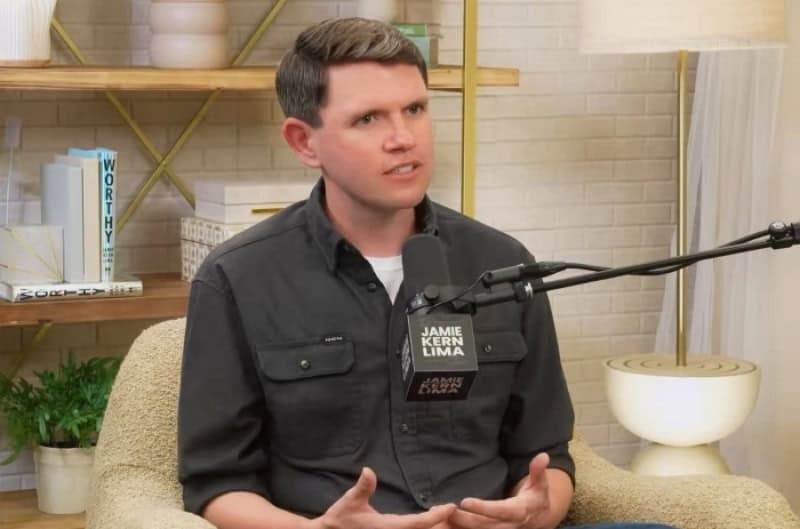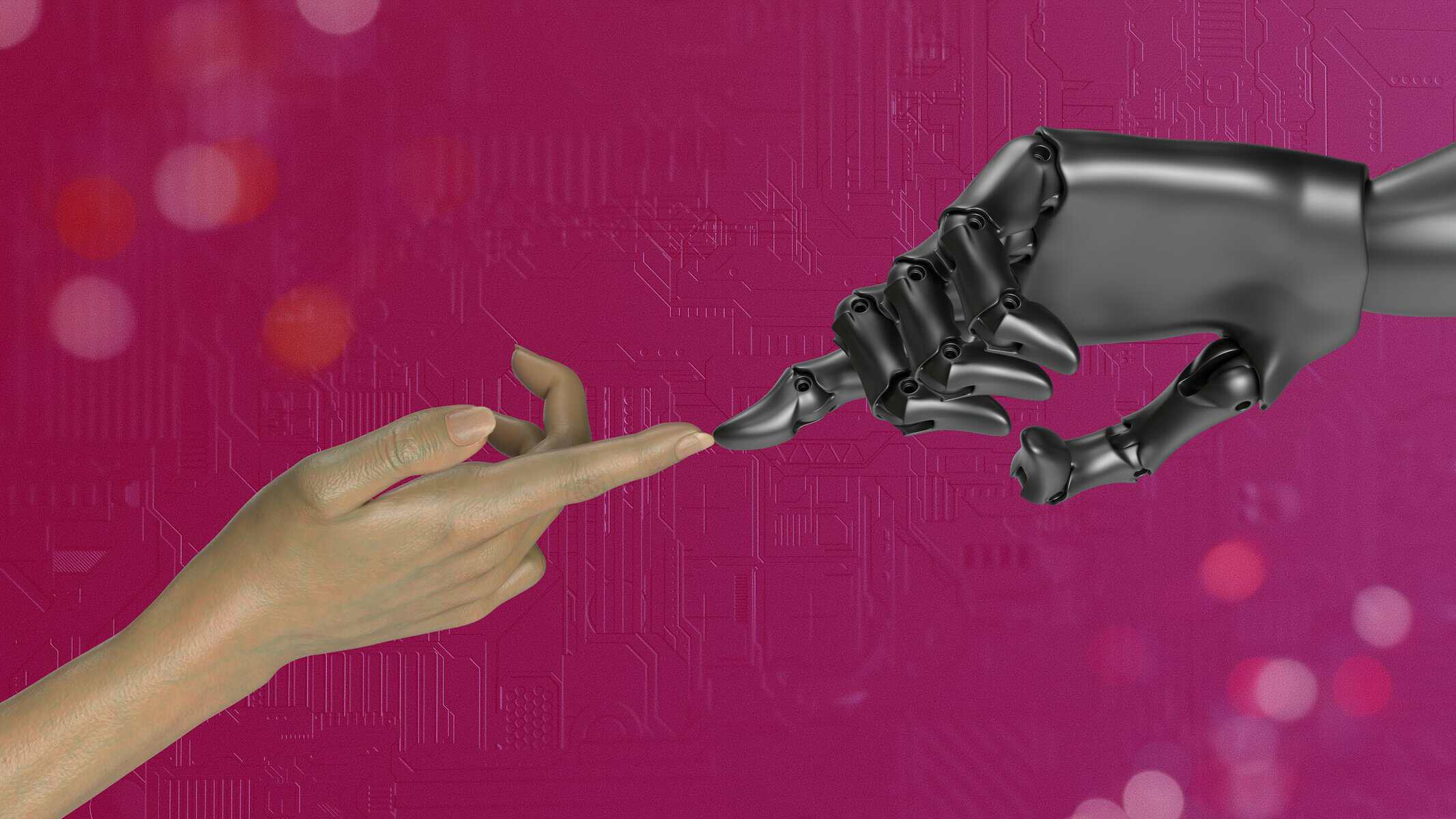
The AI deity debate took center stage on the latest “All-In Podcast,” as panelists questioned the motives behind some AGI efforts. Jason Calacanis, Bill Gurley, David Sacks, and David Friedberg examined whether leading AI labs seek tools for humanity, or something far more powerful. The discussion focused heavily on Anthropic, Claude’s creator, because its rise has reshaped the LLM market. And the debate sharpened as panelists linked ambitious AI visions to control, centralization, and digital authority.
Musk’s Early Warnings Gain Praise
Calacanis credited Elon Musk with seeing the danger of concentrated AI power more than a decade ago. He recalled Musk trying to stop DeepMind from selling to Google because he wanted advanced AI to remain independent. Calacanis said that concern helped motivate OpenAI’s original nonprofit structure. Musk viewed the technology as too powerful for one person or company, so he pushed for broad access. Panelists framed his position as a defense of decentralization and human protection.
Anthropic Draws Sharp Scrutiny
Gurley pointed to Anthropic’s internal documents, Amanda Askell’s writing, and Dario Amodei’s “Machines of Loving Grace” essay. He argued that some AI leaders seem excited to build a species superior to humans. He cited Richard Brautigan’s poem, which imagines machines watching over humanity with grace. But Gurley called that vision an “overlord” model. He described a future in which AI systems manage abundance, distribute resources, and determine human worth through a secondary economy.
Critics Warn Of Digital Rule
Calacanis called the vision a “Dr. Frankenstein theory” and linked it to delusions of grandeur. He said creating a god in one’s own image reflects extreme narcissism. Sacks added that this worldview pushes society toward greater centralization. Supporters of decentralized AI argue that people must run powerful systems on their own hardware. They fear dependence on a single company, especially one tied to state power. Detractors of that fear may see abundance, safety, and coordination, but the panel closed on alarm.
Photo by Igor Omilaev on Unsplash
About Post Author