Faith leaders are defying ICE crackdown operations and bringing that fight into the open. Clergy in multiple cities now treat immigration enforcement as a moral emergency. Rev. Quincy Worthington, a Presbyterian minister in Highland Park, Illinois, used to limit his advocacy. He spoke about racial justice, but he stayed mostly behind a microphone.
Last fall, state police struck and arrested clergy outside an ICE facility near Chicago, so Worthington rushed in to help. He pulled fellow leaders off the pavement and kept his group together. DHS agents fired tear gas and pepper balls, and he adjusted his gas mask on instinct. Network television soon gave him a national platform, and he explained the protests through theology. A teacher later pointed to him in his daughter’s class, and that moment forced him to weigh his influence.
A Rapid Network Spreads From City to City
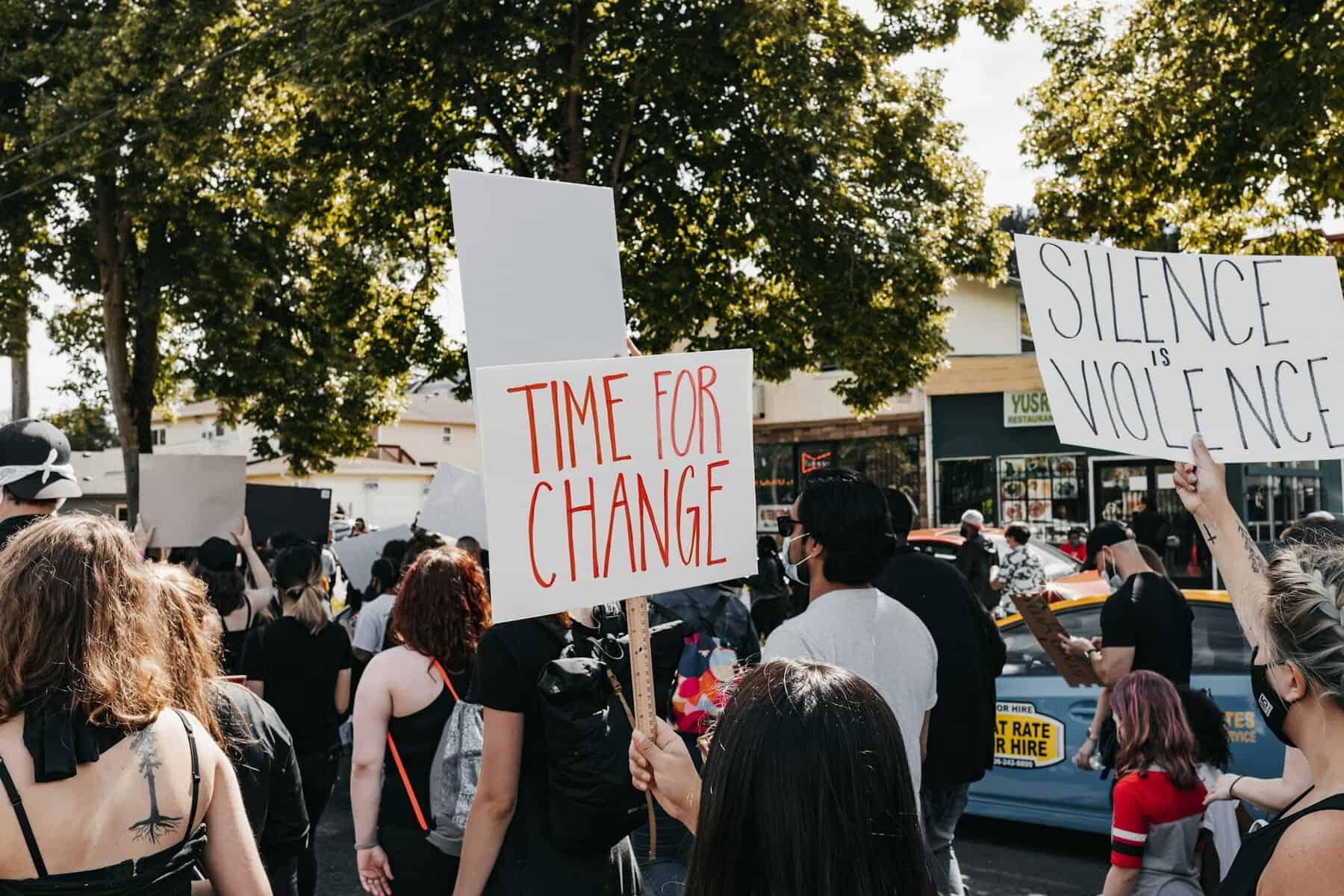
Hundreds of local faith leaders joined high-risk activism against the Trump administration’s mass deportation effort. DHS launched enforcement campaigns in cities across the country, so clergy trained for street action. They practiced nonviolent tactics and learned to move as a team. They relied on encrypted messaging apps because they needed speed and discretion.
Clergy and laypeople surged into Los Angeles, Chicago, Charlotte, and Minneapolis, recording enforcement activity and warning neighbors in real time. They rushed to scenes of immigration operations to capture video, and confronted agents at churches.
Gaza-Era Protest Energy and Cross-Movement Lessons
This wave also grew out of protest networks that formed after Oct. 7, 2023. Faith-driven demonstrators opposed Israel’s 2023 invasion of Gaza, and those campaigns taught street logistics. Oct. 7 strained interfaith relationships, but it also widened the toolbox. Jewish Voice for Peace and Rabbis for Ceasefire showed the reach of coordinated demonstrations.
Organizers also drew from Black Lives Matter and immigrant-rights groups like Free DC and Mijente. In Charlotte, Amity Presbyterian Church hosted a training after DHS launched “Operation Charlotte’s Web.” Nearly 300 people filled the sanctuary and listened to Siembra NC, a secular immigrant-rights group. Activists also borrowed LGBTQ+ protest methods from the 1980s, and Stefanie Fox of Jewish Voice for Peace pointed to tactics used by suffragettes in the early 20th century.
Local Leadership, Internal Tension, and Competing Views
The movement relies on local leadership and avoids a single national spokesperson. The structure differs from earlier protests led by figures like the Rev. William Barber. Arrests on Capitol Hill followed predictable scripts, but street actions against DHS turned volatile. More than 108 mostly anonymous faith leaders faced arrest over the past year. Sociologist Ruth Braunstein says local roots protect the movement from “parachute” criticism, and she says clergy often appear less partisan than national organizers.
Still, clergy face pushback in their own pews. Many mainline Protestant churchgoers voted for Donald Trump in 2024, while about 70% of clergy in several denominations identified as liberal in a 2023 survey. Some moderate Protestant, Catholic, and Jewish leaders moved left as deportations accelerated. Rabbi Matthew Soffer traveled from Durham to Minneapolis and described a strength of the coalition he had never seen.
Supporters say faith leaders defy ICE crackdown policies because conscience demands action, and they believe local visibility can shape national policy. Detractors warn the protests widen congregational divides, and they expect Oct. 7 fractures to return when the immigration urgency fades.
Progressive faith leaders found new power in protesting ICE. Can their movement survive success?
Photo by Duncan Shaffer on Unsplash
About Post Author