Catholic Charities Seeks Exemption Denied by Wisconsin
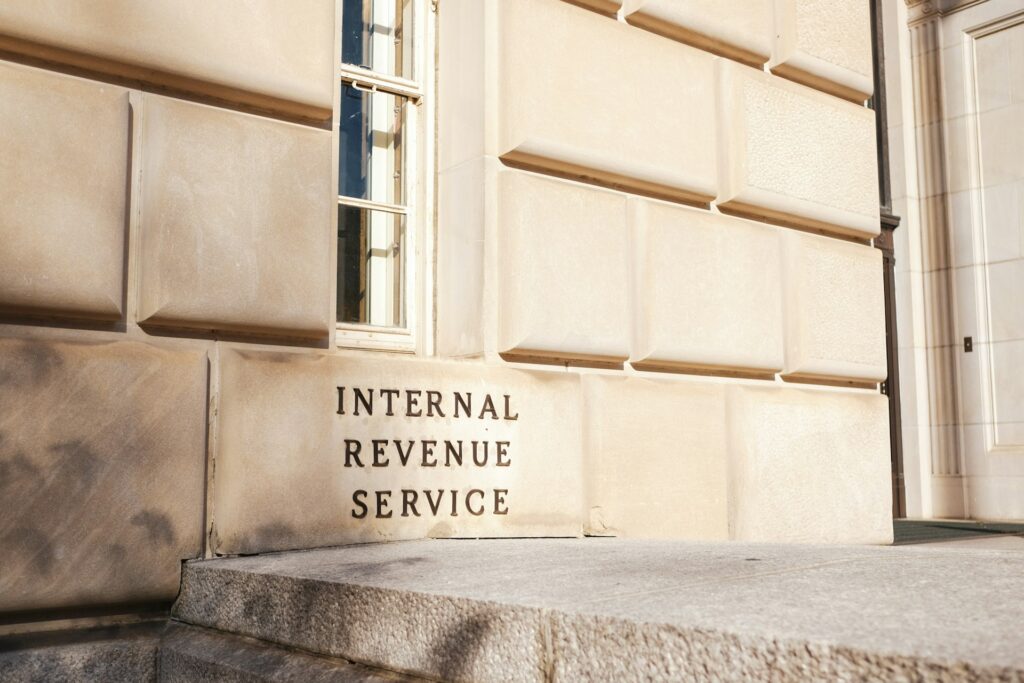
Catholic Charities and the four nonprofits it oversees in Wisconsin are challenging the state’s refusal to grant them a religious exemption from unemployment taxes. Though religious organizations like the Catholic diocese are exempt, Wisconsin argues that Catholic Charities’ work is secular, even if religiously motivated. The case now heads to the U.S. Supreme Court, raising First Amendment concerns about religious freedom and government interference.
Exemption Debate Centers on Religious Purpose
Wisconsin law exempts church-controlled organizations “operated primarily for religious purposes.” However, state agencies could not agree on whether Catholic Charities met that standard. The Department of Workforce Development denied the exemption, while an administrative law judge approved it. The state Labor & Industry Review Commission reversed that decision. The Wisconsin Supreme Court ultimately ruled against Catholic Charities in a close 4-3 vote.
Supporters Argue Discrimination, Opponents Warn of Broader Risks
Supporters say Wisconsin is unfairly penalizing Catholic Charities for separating its operations from the diocese and offering non-proselytizing services. They argue this sets a dangerous precedent that discounts religious motivation behind charity work. Groups, including the United Methodist Church and the Hindu American Foundation, filed briefs backing the appeal.
Opponents, including labor unions and secular advocates, fear a broad ruling could allow massive religiously affiliated institutions—like hospitals—to bypass labor laws. They warn this could jeopardize workers’ benefits and cause major state revenue losses. Critics also question the church’s internal unemployment program, which lacks government oversight and federal benefits.
Legal Experts Say Case Could Set Major Precedent
Legal scholars view the case as potentially far-reaching. A ruling favoring Catholic Charities could expand religious tax exemptions, while a narrow decision might uphold Wisconsin’s test but fault its application. Some experts say the state’s court appeared to define religion too rigidly, potentially prompting federal correction. The ruling may clarify how courts assess religious exemptions in a modern, pluralistic society.
Source:
Is helping people with disabilities a religious act? The core question in a Supreme Court case
Photo by Jonathan Kemper on Unsplash
About Post Author