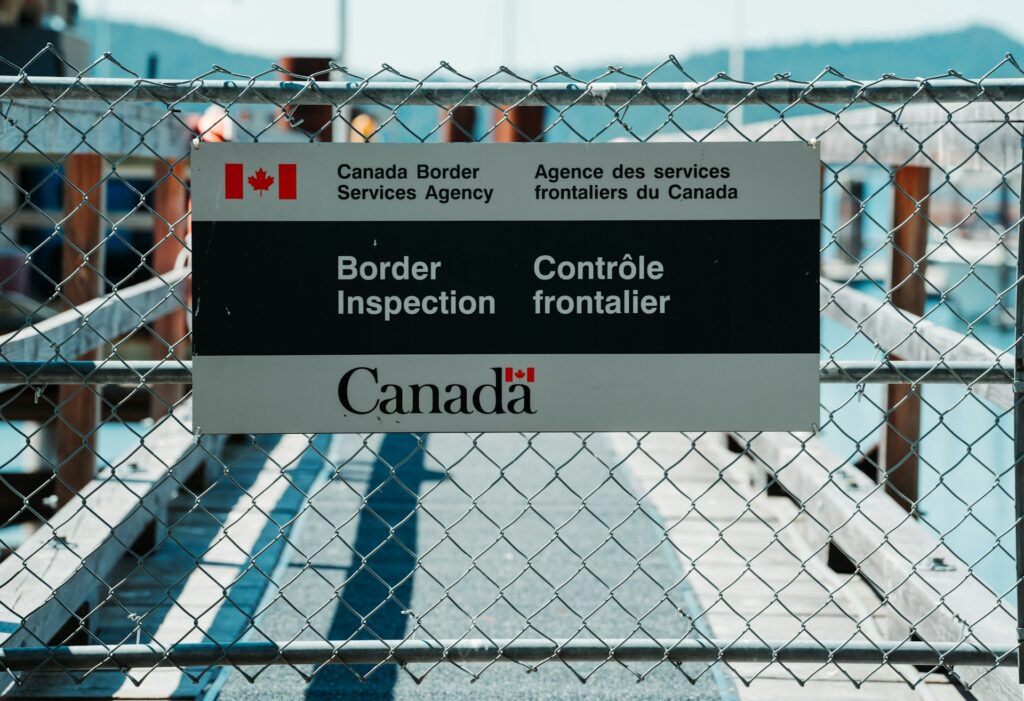
Costco challenges legality of emergency tariffs
Retail giant Costco has filed a lawsuit against the Trump administration, seeking to recover tariffs collected under the International Economic Emergency Powers Act (IEEPA). The company contends that these IEEPA tariffs—used extensively by President Trump during his trade wars—were never legally authorized by Congress. According to Costco, the government misused the 1977 Cold War-era statute to impose duties that bypassed legislative intent and disrupted markets. The lawsuit highlights how these tariffs, often modified and reimposed with little notice, caused significant financial unpredictability for American businesses.
Support grows among importers for legal action
Costco’s case follows similar lawsuits from major companies such as Revlon and Kawasaki. While these firms seek reimbursement, Costco’s size and visibility give its lawsuit significant weight. Supporters argue the case is a critical step in holding the government accountable for tariff overreach. Detractors, however, worry that widespread refunds could undermine executive authority during economic emergencies and complicate future trade policy. Critics also fear that striking down IEEPA-based tariffs may weaken U.S. leverage in future trade negotiations with economic rivals like China.
Supreme Court skepticism heightens legal stakes
The Supreme Court recently heard oral arguments in Learning Resources v. Trump, a related case challenging the same tariff powers. Chief Justice John Roberts openly questioned the administration’s logic, noting that tariffs function as taxes—something only Congress is constitutionally allowed to impose. His comments suggest a possible ruling against the administration, which could come in the coming months. A ruling invalidating the tariffs could prompt massive refund claims by U.S. importers.
Costco outlines risk of losing refund rights
Costco argues that the lawsuit is necessary to preserve its right to recover the tariffs it has already paid. The current system, run by Customs and Border Protection (CBP), finalizes tariff amounts through a process called liquidation. Once liquidation is complete, courts often block attempts to seek refunds, even if tariffs are later deemed illegal. CBP denied Costco’s request to delay this process, forcing the company to go to court. If no legal action is taken, Costco warns it may permanently lose the chance to recover millions.
Tariff burden falls on Americans, not foreign nations
The Trump administration has claimed that foreign countries pay U.S. tariffs, but Costco and many economists disagree. American importers pay tariffs at the point of entry. The Supreme Court appeared to support this view, with Roberts pointing out that these tariffs are effectively taxes on U.S. companies. A ruling against the administration could reveal the actual domestic cost of Trump’s economic tactics. Costco’s case could become a turning point in how presidential powers are interpreted in future trade disputes.
Source:
Costco Is Coming for Trump. It Wants Its Money Back.
Photo by Vicky Sim on Unsplash
About Post Author