Early Christian Art Unearthed in Turkey
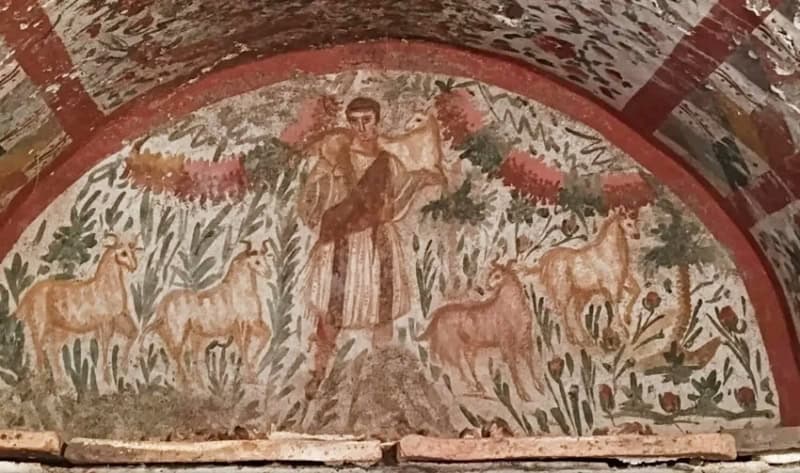
Archaeologists in Turkey have uncovered a rare third-century mural of Jesus as the “Good Shepherd,” shedding light on early Christian art. The well-preserved fresco was found in a subterranean burial chamber within the Hisardere necropolis near Iznik, historically known as Nicaea. This ancient city holds deep Christian significance as the site of the First Council of Nicaea in A.D. 325.
Mural Depicts Symbolic Imagery
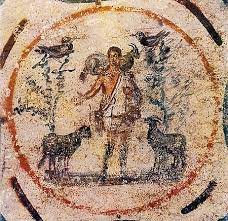
The central fresco shows a youthful Jesus in a plain tunic, carrying a sheep over his shoulders. This classic “Good Shepherd” image emphasizes care, protection, and resurrection. Jesus also holds a date palm—an early Christian symbol of eternal life. Surrounding frescoes depict elite Roman life, including aristocratic burials and banquet scenes, but omit crosses, likely due to caution during the persecution era.
Historical and Religious Context
Nicaea’s legacy as the birthplace of the Nicene Creed connects the mural to pivotal Christian theology. The creed, formulated at the Council of Nicaea, still anchors the beliefs of Catholics, Protestants, and Orthodox. This connection enhances the mural’s religious and historical value.
Concerns and Celebrations Around the Discovery
Supporters view the find as a meaningful glimpse into early Christian belief and artistic restraint. They hope it deepens understanding of how early followers lived and worshiped during times of uncertainty. But some critics argue that publicizing religious artifacts, especially during high-profile events, risks politicizing heritage. The timing of the announcement—just after Pope Leo XIV’s visit to Iznik—raised concerns among skeptics.
Restoration and Global Interest
Turkish officials presented the pope with a replica of the fresco in tile form during his November visit, marking the 1,700th anniversary of the council. Archaeologists plan restoration work, hoping the mural will yield new insights into early Christian identity, art, and burial practices.
Source:
Third-Century ‘Good Shepherd’ Image of Jesus Discovered in Ancient Tomb in Turkey
Photo by Jaka Škrlep on Unsplash
About Post Author