The Holy Thursday service at ICE detention centers unfolded behind a half-open door at Broadview near Chicago. A guard escorted five immigrant detainees into view, and each wore shackles. The Rev. Paul Joseph Keller questioned the restraints, but the guard cited short staffing by a private contractor. Keller and fellow clergy met the detainees’ eyes and began a 15-minute rite with prayers, Scripture, and reflection. One priest stepped through the door and washed detainees’ feet, because the ritual echoes Jesus’ call to serve.
Court orders open doors in Illinois and Minnesota
Holy Thursday service at ICE detention centers became possible only after months of resistance. Since President Donald Trump’s administration began barring entry, clergy access turned into a flashpoint in Illinois and Minnesota. Court orders reshaped the landscape, so faith leaders entered facilities that most outsiders could not reach. In Minnesota, a federal judge ordered access to the Bishop Henry Whipple Federal Building on March 20. A week later, two United Church of Christ pastors met five men in shackles, and they prayed, listened, and cried with them.
Conflicting claims about who is detained and for how long
Officials later told visiting clergy there were no detainees inside Whipple on Holy Thursday. That claim clashed with earlier visits, but it also echoed an episode in Illinois at Broadview on Ash Wednesday. There, leaders arrived to find “no detainees,” and they waited up to two hours until people appeared. The Department of Homeland Security argues Broadview and Whipple function as short-term processing sites, so regular services fall outside standard procedure. Lawyers and clergy dispute that, and they cite evidence that immigrants were held for days during mass deportation operations.
Pressure spreads beyond the Midwest
Holy Thursday service at ICE detention centers is also connected to public actions elsewhere. In New Jersey, about 150 people walked 10 miles to Delaney Hall in Newark, and Pax Christi New Jersey organized the pilgrimage. Clergy can enter that facility, but critics still call pastoral care inadequate. Visitors reported detainees organizing their own 3 p.m. prayer service, so faith leaders kept pushing for deeper access.
Supporters and detractors weigh the stakes
Supporters say clergy visits protect religious freedom, and they humanize people in detention through prayer and presence. They also challenge claims that detainees are uniformly dangerous, citing analysis that many arrested had no criminal background. Detractors and officials argue that security and rapid transfers limit what field offices can accommodate, and they frame restrictions as operational necessity rather than discrimination.
After court battles, clergy visit ICE detainees in Illinois and Minnesota
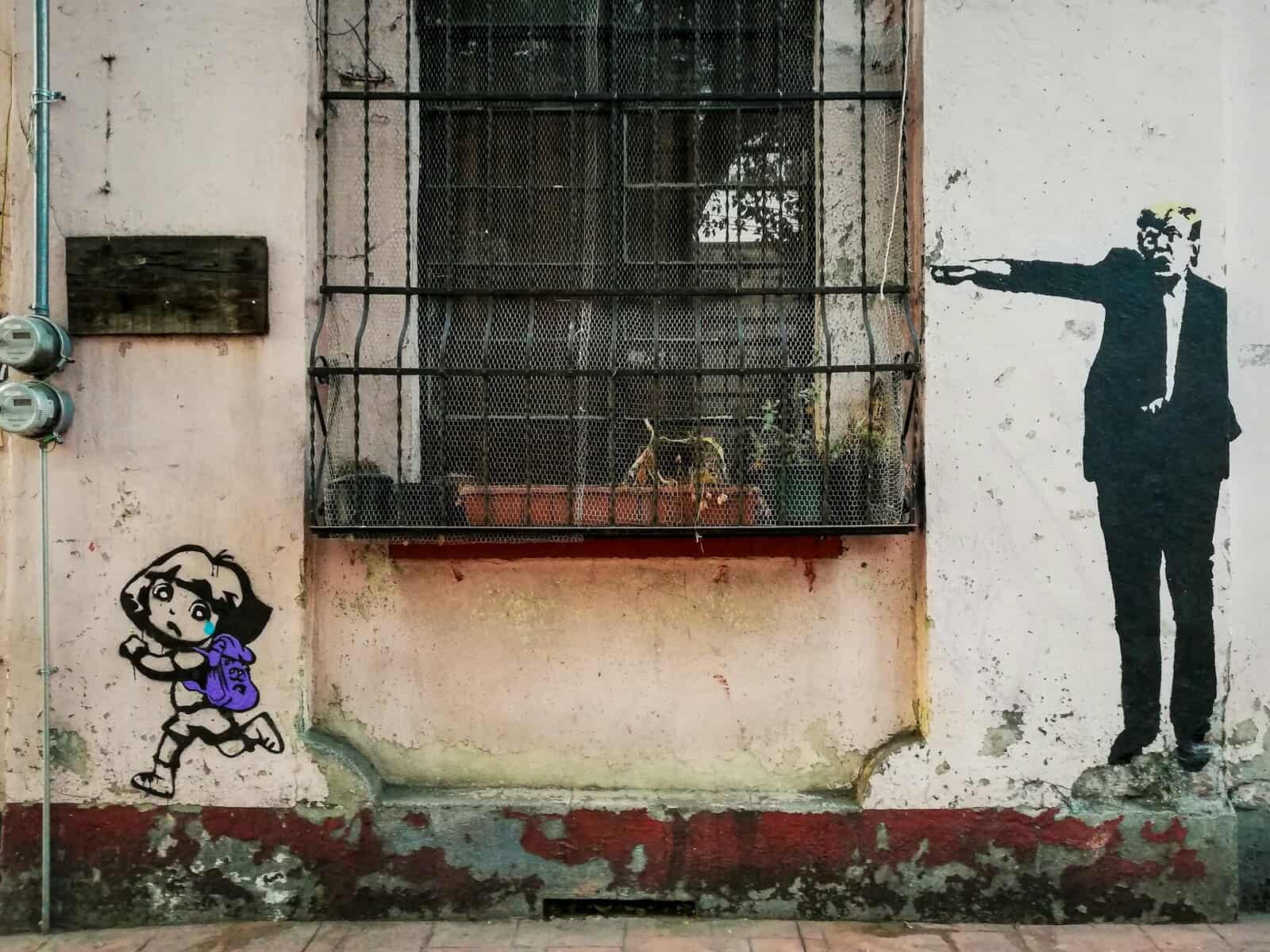
Photo by Alejandro Cartagena ????? on Unsplash
About Post Author