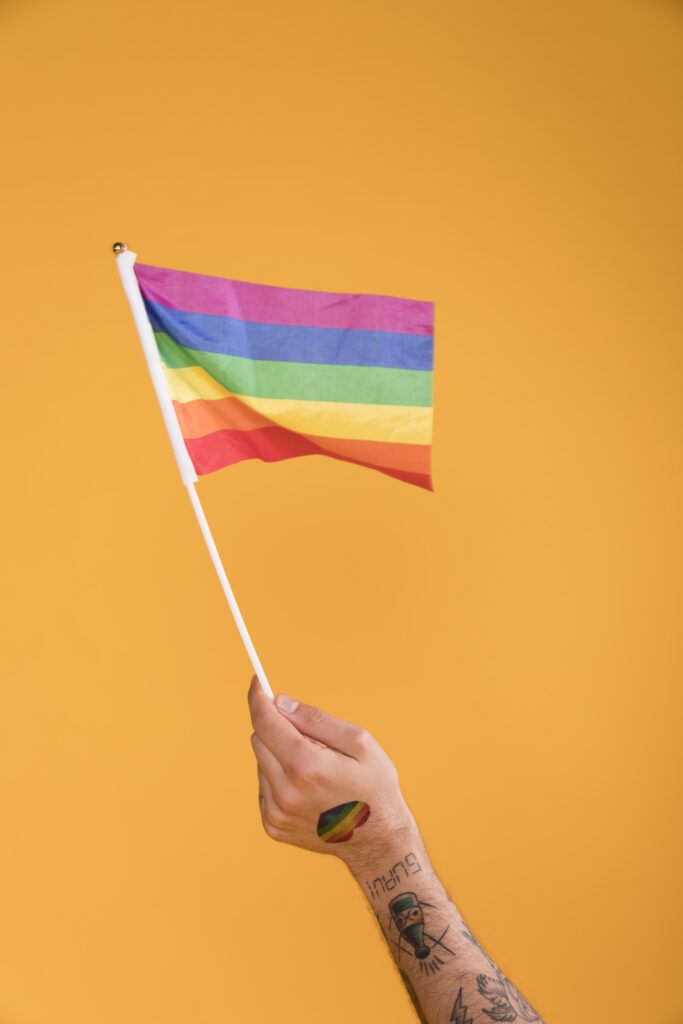
LGBTQ church trauma often formed in churches that called themselves welcoming, but not affirming. Many congregations later changed policy, and they now ordain LGBTQ clergy and bless same-gender weddings. Yet healing after “welcoming” does not arrive on the night of the vote. It requires truth-telling, because silence can reassert the old hierarchy even after language changes. When leaders celebrate progress without context, old wounds can flare, and trust can feel conditional again.
The Embodied Weight of Conditional Belonging
Years of delay taught queer members a painful lesson: valued, but not fully accepted. Josh Bledse asked for a welcoming and affirming policy in 2014, but the church waited until 2023. That long gap shaped worship itself. Bodies tense, words get rehearsed, and hypervigilance becomes normal because rejection once felt close.
Over time, the delay became internalized. The Bledsoe began to wonder whether equality should be requested softly or received gratefully, rather than expected. That uncertainty blurred belonging into endurance. It also reshaped spiritual imagination, so longing for full inclusion could feel selfish rather than sacred.
Silence, Denial, and the Need for Accountability
When an affirming church refuses to name its past, LGBTQ church trauma can deepen. Silence tells survivors their earlier pain does not matter. A request for an apology met a firm no, and that refusal communicated inconvenience. It also suggested momentum mattered more than repair, so trust thinned into erosion rather than rupture.
Unaddressed history can quietly split a congregation. Newer members enter a settled, affirming church, but long-time queer members remember years of endurance. Without acknowledgment, they may remain silent to protect the celebration, and that silence becomes another burden. Some eventually leave, grieving not only harm, but the loss of a spiritual home.
What Repair Looks Like in Practice
Healing begins with listening that has no agenda and no self-congratulation. It continues with humility, because good intentions never cancel impact. Then repair requires a clear apology that names harm without passive fog. Leaders must say what happened, name what it cost, and honor who carried it. Truth spoken plainly can steady the body, so people can exhale again in sacred space.
Supporters and Detractors
Supporters of apology and truth-telling say progress must include repentance, because LGBTQ church trauma outlasts policy change. They argue that repair protects the future, since honesty restores moral clarity and rebuilds trust. Detractors fear apologies reopen conflict, slow growth, or tarnish a renewed public image, so they prefer to move on.
Healing from LGBTQ exclusion requires acknowledging past pain
Photo by Kelly Sikkema on Unsplash
About Post Author