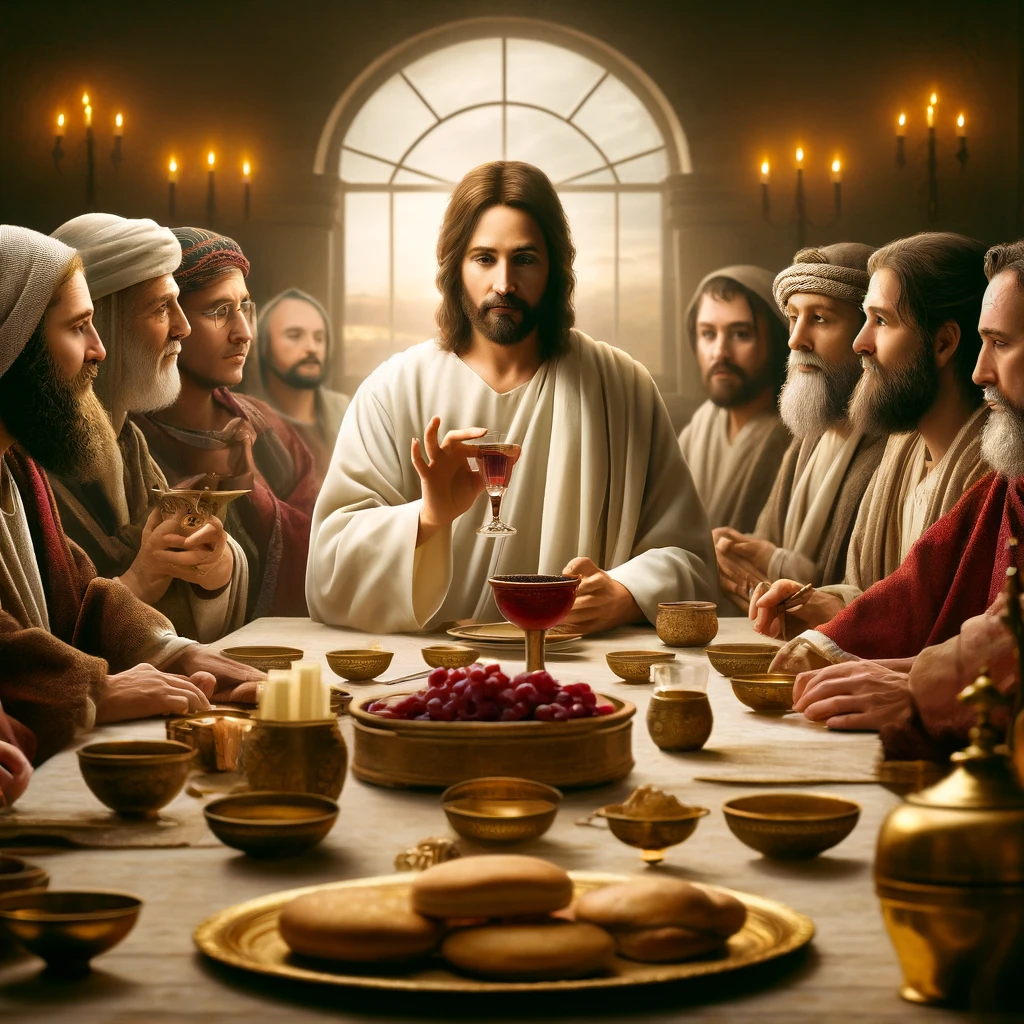
Estimated reading time: 10 minutes
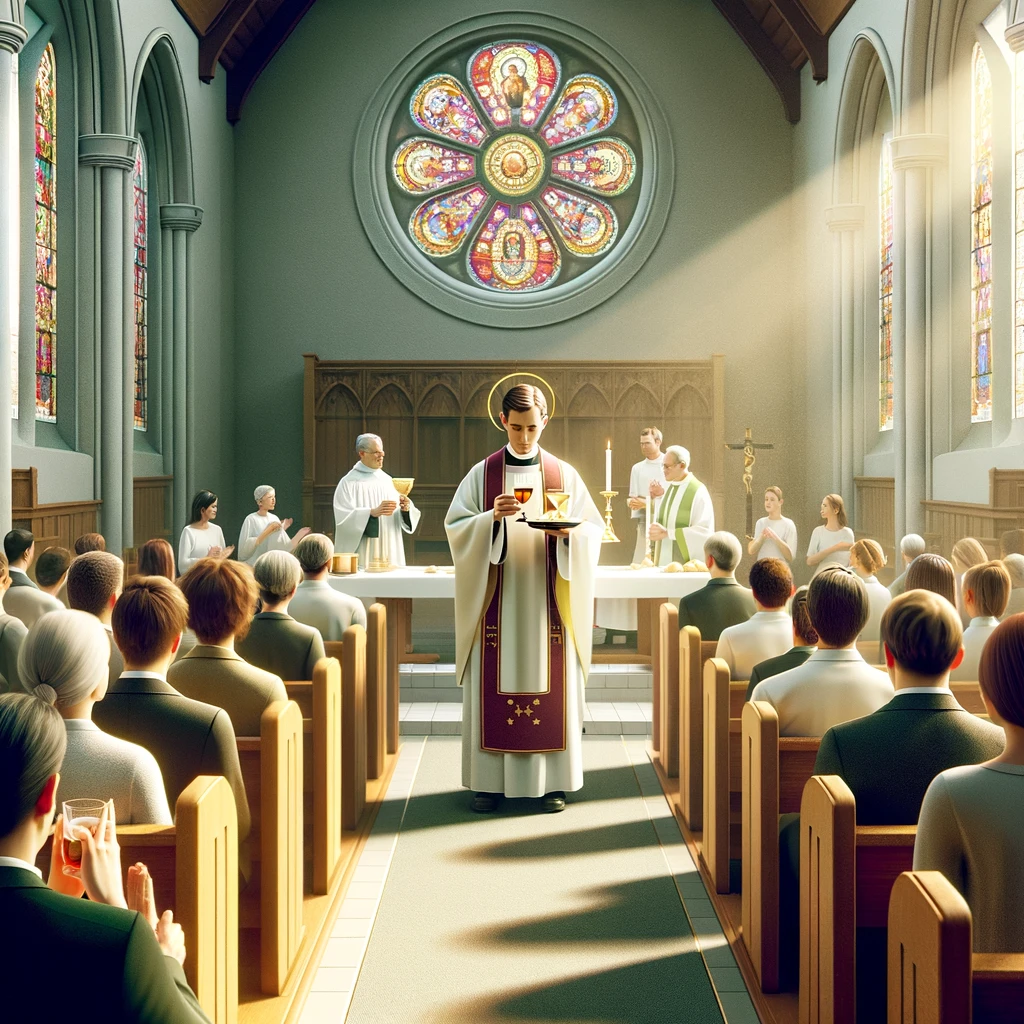
Communion, also known as the Lord’s Supper, Holy Communion, or the Eucharist, is a foundational practice in Christian traditions that commemorates Christ’s sacrifice. This sacred act involves partaking in the bread and the cup of the Lord, symbolizing the body and blood of Jesus. Rooted in the New Testament, particularly in the Gospels of Matthew and the writings of Apostle Paul, communion embodies the love of God and the new covenant established through Christ’s sacrifice as the Lamb of God.
Believers are called to reflect on the blood and body of Christ during communion, acknowledging the profound significance of these elements. The act of communion, or breaking of bread, represents the unity of the church of God, transcending old leaven and establishing a new group of believers. Participating in this sacrament in an unworthy manner brings a stark warning, as Paul emphasizes the importance of examining oneself to avoid bringing judgment upon yourself.
Communion is not merely an act of remembrance but also a means of spiritual nourishment, as Jesus referred to His flesh as real food and His blood as real drink. This practice strengthens the fellowship of the Holy Spirit among the people of Israel and the broader body of Christ, reminding believers of the glory of God and their call to good works. As the church continues this tradition, it celebrates the profound mystery of faith and the eternal promise of life in Christ.
Matthew 26:17-24
“On the first day of Unleavened Bread the disciples came to Jesus, saying, ‘Where do you want us to make the preparations for you to eat the Passover?’ He said, ‘Go into the city to a certain man, and say to him, “The Teacher says, My time is near; I will keep the Passover at your house with my disciples.”’ So the disciples did as Jesus had directed them, and they prepared the Passover meal. When it was evening, he took his place with the twelve; and while they were eating, he said, ‘Truly I tell you, one of you will betray me.’ And they became greatly distressed and began to say to him one after another, ‘Surely not I, Lord?’ He answered, ‘The one who has dipped his hand into the bowl with me will betray me. The Son of Man goes as it is written of him, but woe to that one by whom the Son of Man is betrayed! It would have been better for that one not to have been born.’”
Reflection:
This passage sets the stage for the Last Supper, where Jesus foretells His betrayal. It underscores the solemnity of the event and the impending sacrifice. The preparation for the Passover, a significant Jewish feast, transitions into a moment of deep spiritual significance for Christians. It reminds believers of the gravity of sin and the ultimate sacrifice Jesus made, emphasizing the need for introspection and repentance during communion.
Matthew 26:25-30
“Judas, who betrayed him, said, ‘Surely not I, Rabbi?’ He replied, ‘You have said so.’ While they were eating, Jesus took a loaf of bread, and after blessing it he broke it, gave it to the disciples, and said, ‘Take, eat; this is my body.’ Then he took a cup, and after giving thanks he gave it to them, saying, ‘Drink from it, all of you; for this is my blood of the covenant, which is poured out for many for the forgiveness of sins. I tell you, I will never again drink of this fruit of the vine until that day when I drink it new with you in my Father’s kingdom.’ When they had sung the hymn, they went out to the Mount of Olives.”
Reflection:
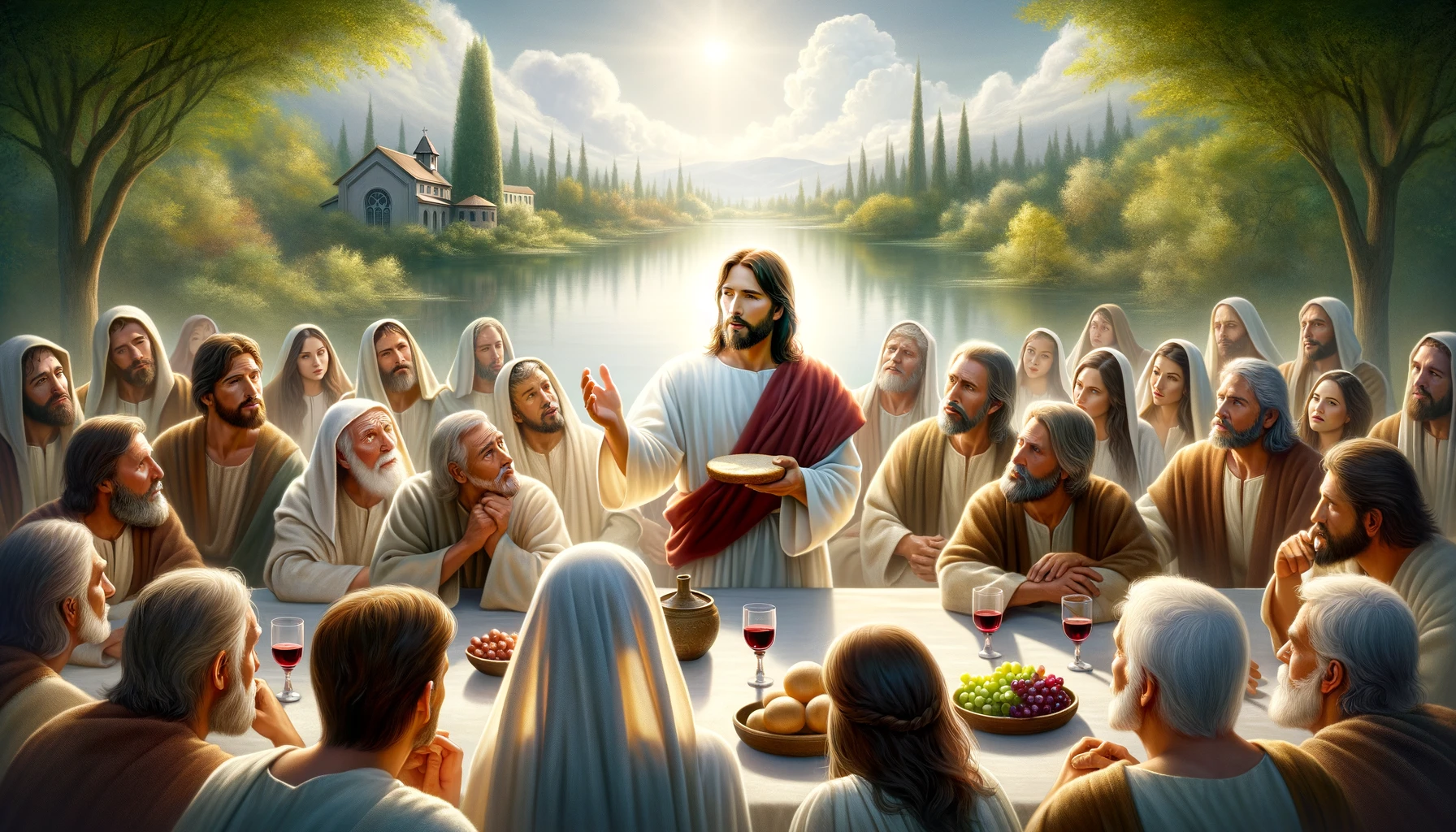
This passage describes the institution of the Lord’s Supper. Jesus presents the bread as His body and the wine as His blood, signifying the new covenant. This act symbolizes the sacrifice He was about to make, offering forgiveness of sins and eternal life. Communion serves as a reminder of this covenant and the hope of the Kingdom of God, encouraging believers to live in a manner worthy of this profound gift.
Mark 14:12-26
“On the first day of Unleavened Bread, when the Passover lamb is sacrificed, his disciples said to him, ‘Where do you want us to go and make the preparations for you to eat the Passover?’ So he sent two of his disciples, saying to them, ‘Go into the city, and a man carrying a jar of water will meet you; follow him, and wherever he enters, say to the owner of the house, “The Teacher asks, Where is my guest room where I may eat the Passover with my disciples?” He will show you a large room upstairs, furnished and ready. Make preparations for us there.’ So the disciples set out and went to the city, and found everything as he had told them; and they prepared the Passover meal. When it was evening, he came with the twelve. And when they had taken their places and were eating, Jesus said, ‘Truly I tell you, one of you will betray me, one who is eating with me.’ They began to be distressed and to say to him one after another, ‘Surely, not I?’ He said to them, ‘It is one of the twelve, one who is dipping bread into the bowl with me. For the Son of Man goes as it is written of him, but woe to that one by whom the Son of Man is betrayed! It would have been better for that one not to have been born.’ While they were eating, he took a loaf of bread, and after blessing it he broke it, gave it to them, and said, ‘Take; this is my body.’ Then he took a cup, and after giving thanks he gave it to them, and all of them drank from it. He said to them, ‘This is my blood of the covenant, which is poured out for many. Truly I tell you, I will never again drink of the fruit of the vine until that day when I drink it new in the kingdom of God.’ When they had sung the hymn, they went out to the Mount of Olives.”
Reflection:
Mark’s account closely mirrors that of Matthew, emphasizing Jesus’ foreknowledge of His betrayal and the establishment of the new covenant through His body and blood. This passage highlights the solemnity and gravity of the Last Supper, reminding believers of Jesus’ sacrifice and the importance of approaching communion with a reflective and penitent heart. It encourages the faithful to recognize the unity and community shared in the body of Christ.
Luke 22:7-22
“Then came the day of Unleavened Bread, on which the Passover lamb had to be sacrificed. So Jesus sent Peter and John, saying, ‘Go and prepare the Passover meal for us that we may eat it.’ They asked him, ‘Where do you want us to make preparations for it?’ ‘Listen,’ he said to them, ‘when you have entered the city, a man carrying a jar of water will meet you; follow him into the house he enters and say to the owner of the house, “The teacher asks you, Where is the guest room, where I may eat the Passover with my disciples?” He will show you a large room upstairs, already furnished. Make preparations for us there.’ So they went and found everything as he had told them; and they prepared the Passover meal. When the hour came, he took his place at the table, and the apostles with him. He said to them, ‘I have eagerly desired to eat this Passover with you before I suffer; for I tell you, I will not eat it until it is fulfilled in the kingdom of God.’ Then he took a cup, and after giving thanks he said, ‘Take this and divide it among yourselves; for I tell you that from now on I will not drink of the fruit of the vine until the kingdom of God comes.’ Then he took a loaf of bread, and when he had given thanks, he broke it and gave it to them, saying, ‘This is my body, which is given for you. Do this in remembrance of me.’ And he did the same with the cup after supper, saying, ‘This cup that is poured out for you is the new covenant in my blood. But see, the one who betrays me is with me, and his hand is on the table. For the Son of Man is going as it has been determined, but woe to that one by whom he is betrayed!’”
Reflection:
Luke’s Gospel provides a detailed account of the preparation for the Passover and the institution of the Lord’s Supper. Jesus expresses His deep desire to share this meal with His disciples, highlighting the significance of this event. The elements of bread and wine are given new meaning, representing Jesus’ body and blood, and serving as a powerful reminder of His sacrifice. The instruction to “do this in remembrance of me” calls believers to continually reflect on and commemorate His sacrifice, fostering a deeper connection with the new covenant.
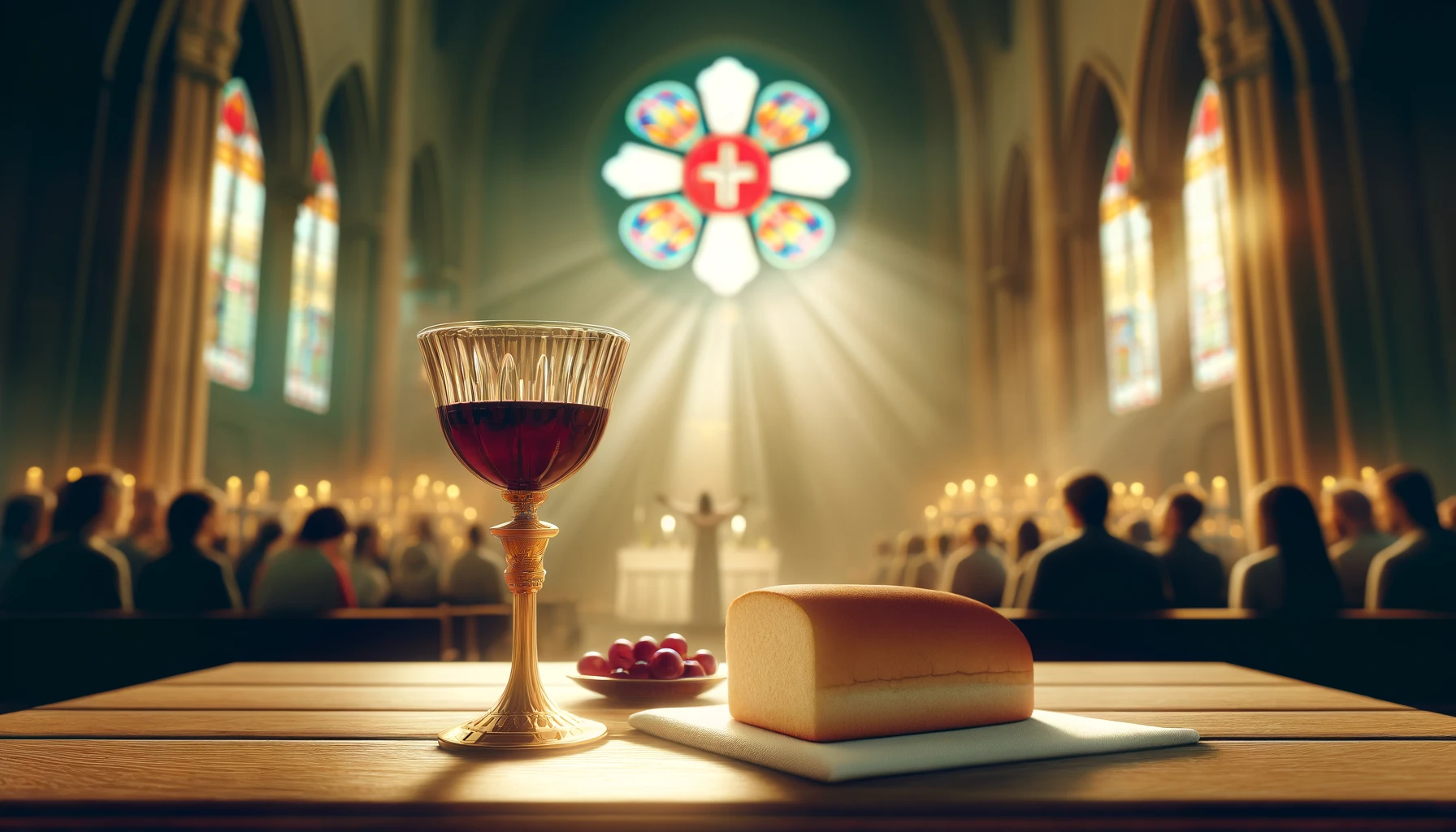
1 Corinthians 10:14-17
“Therefore, my dear friends, flee from the worship of idols. I speak as to sensible people; judge for yourselves what I say. The cup of blessing that we bless, is it not a sharing in the blood of Christ? The bread that we break, is it not a sharing in the body of Christ? Because there is one bread, we who are many are one body, for we all partake of the one bread.”
Reflection:
In 1 Corinthians 10:14-17, Paul weaves together two inseparable themes: participation and unity. The “cup of blessing” and the “bread that we break” are more than ritual elements; they are tangible signs that we truly share in the body and blood of Christ. Because every believer drinks from the same cup and takes from the same loaf, communion forms us into “one body,” binding us to Christ and to one another in a covenant of faithfulness that excludes all idolatry. Each time we gather at the table we acknowledge this profound, grace-given solidarity, accepting both the gift and the responsibility of belonging—loving, serving, and safeguarding our brothers and sisters as members of the same Body of Christ.
1 Corinthians 11:23-26
“For I received from the Lord what I also handed on to you, that the Lord Jesus on the night when he was betrayed took a loaf of bread, and when he had given thanks, he broke it and said, ‘This is my body that is for you. Do this in remembrance of me.’ In the same way he took the cup also, after supper, saying, ‘This cup is the new covenant in my blood. Do this, as often as you drink it, in remembrance of me.’ For as often as you eat this bread and drink the cup, you proclaim the Lord’s death until he comes.”
Reflection:
Paul recounts the institution of the Lord’s Supper, emphasizing its significance as a memorial of Jesus’ sacrifice. Each time believers partake in communion, they proclaim the Lord’s death, reaffirming their faith in the new covenant. This passage encourages Christians to approach communion with reverence and gratitude, recognizing it as an act of remembrance and proclamation of the gospel. It also serves as a reminder of the hope of Christ’s return, uniting believers in their shared faith and anticipation.
Acts 2:42
“They devoted themselves to the apostles’ teaching and fellowship, to the breaking of bread and the prayers.”
Reflection:
This verse highlights the early church’s commitment to communal life and spiritual practices. The “breaking of bread” refers to the practice of communion, which was central to their fellowship. This devotion fosters unity and spiritual growth among believers, encouraging them to live out their faith through communal worship and mutual support. It underscores the importance of maintaining these practices within the church, ensuring that the remembrance of Christ’s sacrifice remains a foundational aspect of Christian life.
Acts 2:46
“Day by day, as they spent much time together in the temple, they broke bread at home and ate their food with glad and generous hearts.”
Reflection:
The early Christians practiced communion regularly, sharing meals with joy and generosity. This verse illustrates the sense of community and gratitude that characterized the early church. The breaking of bread was not only a religious observance but also a means of fostering fellowship and strengthening relationships. It encourages modern believers to cultivate a spirit of generosity and joy in their communal worship and to view communion as a celebration of their shared faith and blessings.
John 6:53-58
“So Jesus said to them, ‘Very truly, I tell you, unless you eat the flesh of the Son of Man and drink his blood, you have no life in you. Those who eat my flesh and drink my blood have eternal life, and I will raise them up on the last day; for my flesh is true food and my blood is true drink. Those who eat my flesh and drink my blood abide in me, and I in them. Just as the living Father sent me, and I live because of the Father, so whoever eats me will live because of me. This is the bread that came down from heaven, not like that which your ancestors ate, and they died. But the one who eats this bread will live forever.’”
Reflection:
Jesus’ words in John 6:53-58 are both profound and demanding: He insists that we “eat the flesh of the Son of Man and drink His blood” if we hope to share in eternal life. In these stark images Jesus unveils the deep mystery of communion. By receiving His body and blood, believers consciously accept and internalize His once-for-all sacrifice, entering into an intimate union with Him. This sacramental act becomes our spiritual nourishment—Christ’s life flowing into ours—so that we abide in Him and He in us. Each celebration of the Eucharist therefore calls us to a fuller appreciation of its transformative power: it is not mere symbol, but a grace-filled participation in Christ’s redemptive work and a foretaste of the eternal life He promises.
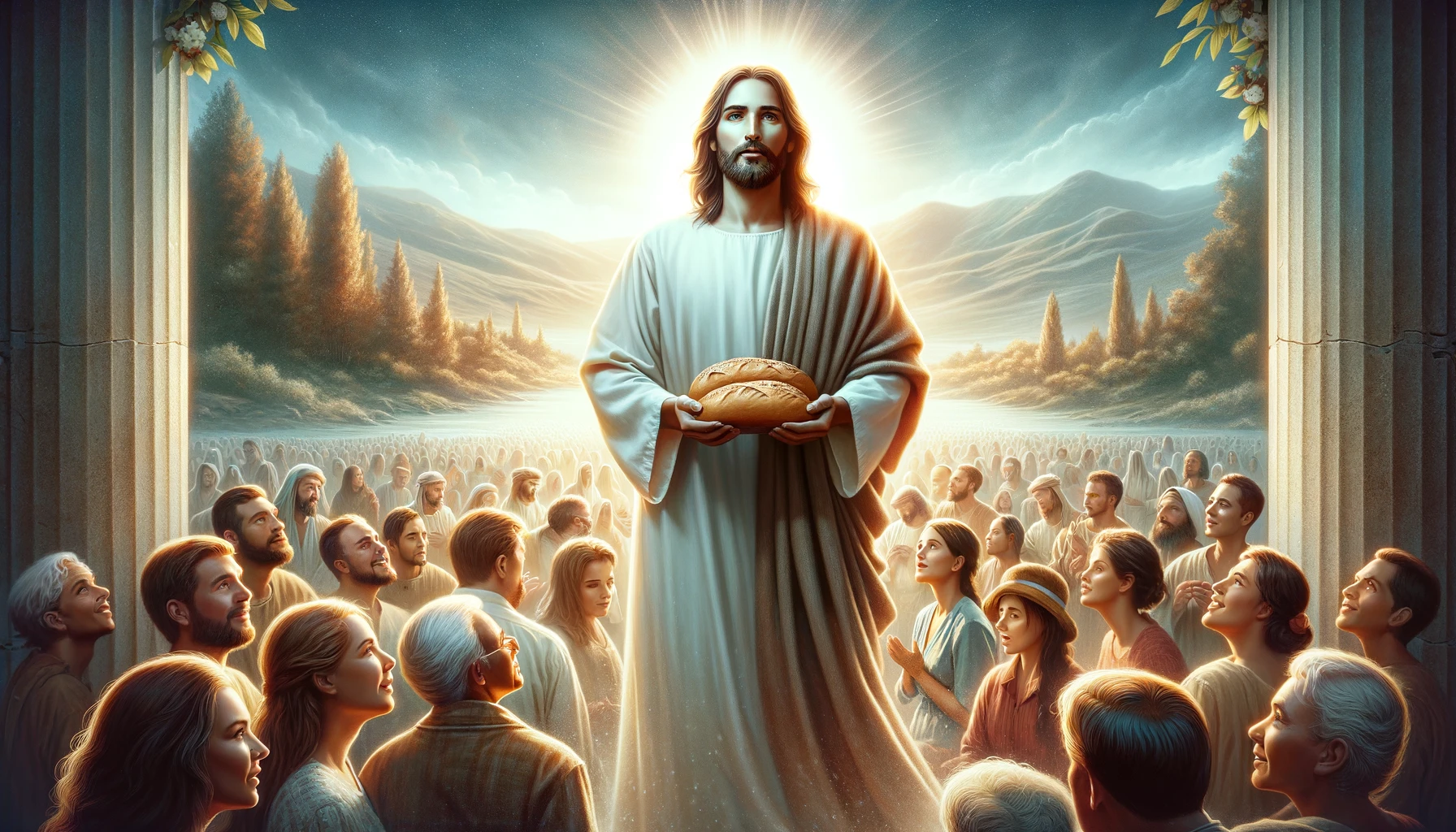
John 6:35
“Jesus said to them, ‘I am the bread of life. Whoever comes to me will never be hungry, and whoever believes in me will never be thirsty.’”
Reflection:
In this declaration, Jesus identifies Himself as the essential sustenance for spiritual life. He promises that those who come to Him will be eternally satisfied, highlighting the sufficiency and completeness found in Him. Communion serves as a tangible reminder of this truth, as believers partake in the bread and wine, they are reminded of their dependence on Christ for spiritual nourishment. This verse invites Christians to continually seek fulfillment in Jesus, the true bread of life.
1 John 1:3
“We declare to you what we have seen and heard so that you also may have fellowship with us; and truly our fellowship is with the Father and with his Son Jesus Christ.”
Reflection:
John emphasizes the importance of sharing the message of Christ to foster fellowship among believers. Communion is a vital expression of this fellowship, uniting believers with each other and with God. This verse encourages Christians to proclaim the gospel and participate in the communal life of the church. It highlights the relational aspect of faith, where communion strengthens the bond between believers and deepens their connection with God.
Revelation 19:9
“And the angel said to me, ‘Write this: Blessed are those who are invited to the marriage supper of the Lamb.’ And he said to me, ‘These are true words of God.’”
Reflection:
This verse points to the ultimate fulfillment of communion in the marriage supper of the Lamb. It signifies the joyous culmination of God’s redemptive plan, where believers are united with Christ in eternal fellowship. Communion serves as a foretaste of this heavenly banquet, reminding believers of the future glory and blessing that await them. It encourages Christians to live in anticipation of this promise, maintaining their faith and hope in the true words of God.
1 Corinthians 12:13
“For in the one Spirit we were all baptized into one body—Jews or Greeks, slaves or free—and we were all made to drink of one Spirit.”
Reflection:
Paul emphasizes the unity of believers in the body of Christ through the Spirit. Communion reinforces this unity, symbolizing the shared participation in the body and blood of Christ. It breaks down barriers of ethnicity, status, and background, creating a diverse yet united community. This verse encourages believers to recognize and celebrate their oneness in Christ, fostering a spirit of inclusivity and mutual support within the church.
John 6:51
“I am the living bread that came down from heaven. Whoever eats of this bread will live forever; and the bread that I will give for the life of the world is my flesh.”
Reflection:
Jesus identifies Himself as the living bread, offering eternal life to those who partake in Him. This verse underscores the sacrificial nature of His gift, as His flesh is given for the life of the world. Communion is a profound act of receiving this gift, symbolizing the believer’s acceptance of Jesus’ sacrifice and the eternal life it promises. It invites Christians to continually draw their spiritual sustenance from Him, the source of true life.
Communion is a vital practice that embodies the core of the Christian faith. Through the act of partaking in the bread and wine, believers remember Jesus’ sacrifice, celebrate the new covenant, and anticipate the hope of eternal life. These Bible verses provide a comprehensive understanding of the significance of communion, highlighting themes of sacrifice, unity, and spiritual nourishment. As Christians continue to observe this sacred tradition, they are reminded of their shared identity in the body of Christ and their eternal hope in the Kingdom of God.
FAQ: Communion in the Bible
Communion is a sacred practice in which believers eat bread and drink from the cup to remember—and share in—the sacrifice of Jesus Christ. The bread represents His body, the cup His blood, and together they proclaim the new covenant God established through Christ (see Matthew 26:26-28; 1 Corinthians 11:23-26).
All four titles highlight different facets of the same act:
– Communion stresses fellowship with Christ and one another (1 Cor 10:16-17).
– Lord’s Supper centers on the meal Jesus shared “on the night He was betrayed.”
– Holy Communion underscores its sacred character.
– Eucharist (from the Greek eucharistia, “thanksgiving”) points to Jesus’ giving thanks before distributing the elements (Luke 22:17-19).
The bread symbolizes Christ’s body “given for you,” while the cup represents His blood “poured out for many for the forgiveness of sins.” Together they seal the new covenant foretold by the prophets and fulfilled at the cross.
Christians differ. All agree it remembers Jesus’ sacrifice; many also affirm it is a grace-filled participation in His life (John 6:53-58). Whatever the exact theology, Scripture is clear that Christ Himself meets believers at the table for spiritual nourishment.
Each celebration is a foretaste of “the marriage supper of the Lamb” (Revelation 19:9). As we share the bread and cup now, we anticipate the day we will feast with Christ in His Father’s kingdom (Matthew 26:29).
For Further Study
- Dwell– An App to help you listen to, read along, memorize, and study your favorite Bible versions.
- Logos– Gain more insights during your Bible study with Logos Bible software.
The aforementioned partner products are affiliate links, which means that we may receive a commission if you purchase through our links, but this comes at no additional cost to you.
About Post Author