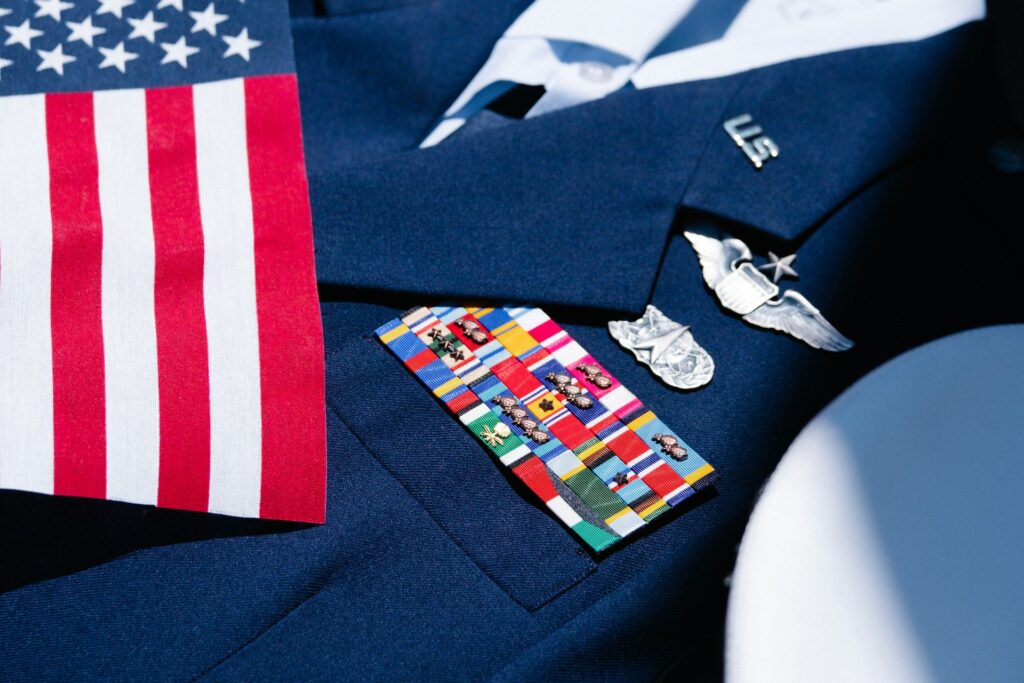
Secretary of Defense Pete Hegseth opened a Pentagon prayer gathering on Wednesday as war with Iran neared a month. His remarks triggered a backlash online against a Pentagon prayer service, and critics said the language sounded extreme. The service streamed live and included uniformed personnel, and Hegseth said the monthly prayer felt “fitting” now. He pointed to “tens of thousands of Americans” engaged in ongoing operations, framing the moment as urgent and spiritual.
Psalm 18 and a Combat Framing
Hegseth read from Psalm 18, which he linked to a military chaplain’s prayer. He said the chaplain provided it to a U.S. Navy task force that captured Nicolás Maduro in January. The psalm passage described the pursuit and defeat of enemies, and Hegseth read lines about foes falling underfoot. He used the text to emphasize victory language and resolve during conflict.
Chaplain Prayer Invokes Wrath and Precision
Hegseth then recited the chaplain’s prayer in Jesus’ name and quoted imprecatory psalms. The prayer asked God to “snap the rod of the oppressor” and to frustrate “wicked plans.” It also asked that “every round find its mark” against enemies of “righteousness” and the nation. Hegseth read requests for “overwhelming violence of action,” and he asked for swift justice “without remorse.”
Scrutiny Grows Over Religion and Eschatology
Users on X condemned the remarks, and some compared the worldview to Iran’s religious fundamentalism. The clash fueled debate about faith in wartime decision-making and raised fresh criticism of Pentagon prayer services. In a CBS “60 Minutes Overtime” segment earlier this month, Hegseth said the U.S. fights religious fanatics pursuing nuclear capability for an apocalyptic aim. But he also called himself “a man of faith,” and he urged troops to lean on God because combat highlights mortality.
Complaints, Past Ties, and Competing Concerns
The Military Religious Freedom Foundation said hundreds of service members have sent religious freedom complaints since the war began. One complaint alleged a commander described Trump as “anointed by Jesus” to spark Armageddon in Iran, but the Pentagon gave no comment to related inquiries at the time. Meanwhile, backlash also hit Hegseth’s pastor, Brooks Potteiger, after remarks about using imprecatory psalms against political foes. Potteiger denied calling for anyone’s death, and he said such prayers aim for repentance. Supporters see the Pentagon prayer controversy as a matter of moral clarity and troop support, but detractors fear coercion, sectarian framing, and escalatory rhetoric.
Photo by Filip Andrejevic on Unsplash
About Post Author