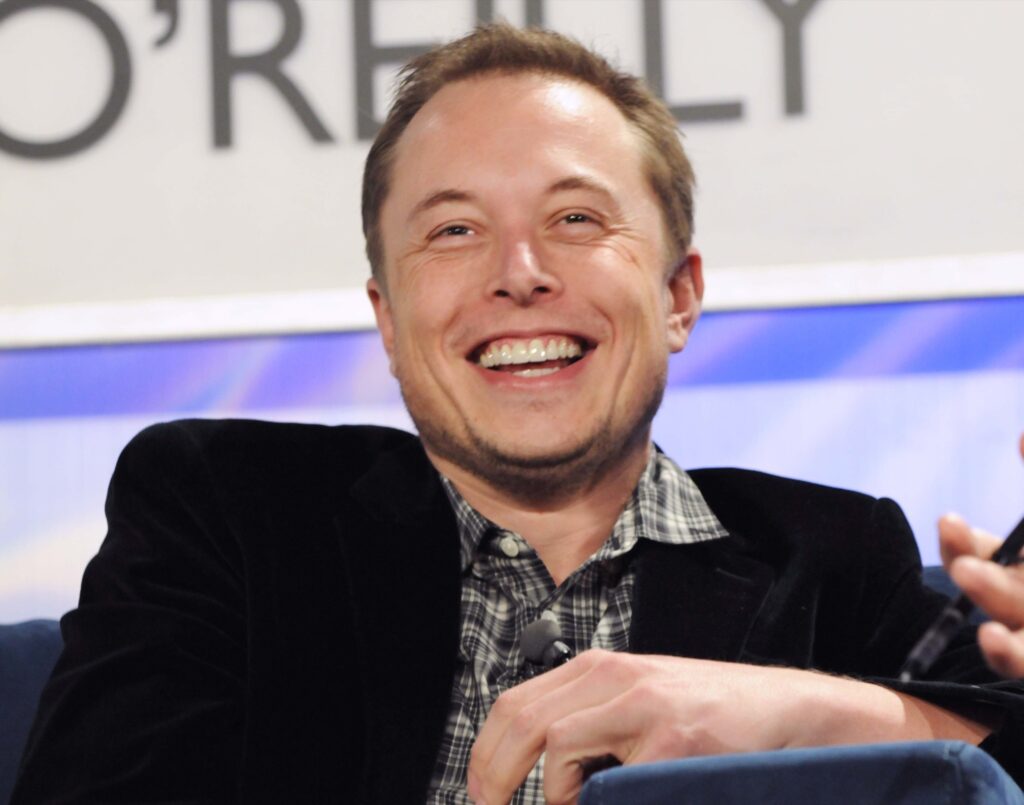
For years, critics have warned that technological platforms could trigger a constitutional crisis. Initially, concerns centered on social media’s role in deepening polarization and eroding social trust. However, the current crisis is far more direct—figures like Elon Musk now wield disproportionate influence over U.S. policy. With a handful of young tech employees, Musk can override congressional decisions on funding and legislation, raising profound constitutional and foreign policy concerns.
A Mechanistic View of Humanity and Society
Tech leaders, including Meta’s Mark Zuckerberg and OpenAI’s Sam Altman, often describe society in mechanistic terms. Zuckerberg’s concept of the social network as a “graph” reflects a worldview where people function as data points rather than individuals. Altman’s recent statement that AI advancements will require a restructuring of the social contract underscores this perspective. Critics argue that reducing human nature to data strips away essential dignity, leading to reckless social experimentation.
Theological Undercurrents in Silicon Valley
The growing belief in technology as a means to transcend human limitations has unsettling theological implications. Figures like Ray Kurzweil and Bryan Johnson openly discuss escaping mortality through technology. Musk has suggested that humans merge with machines to overcome AI’s existential threat. His assertion that we likely live in a simulation further echoes a worldview where reality is programmable and divine authority is sidelined in favor of tech-driven mastery.
The Consequences of a Digital-First Mindset
This mechanistic approach extends beyond philosophical speculation. It influences real-world decisions, such as whether life-saving aid reaches vulnerable populations. The same mindset quantifying human existence also disregards traditional ethical and societal norms. Critics argue that Musk’s decision to name his child “X Æ A-12” exemplifies the detachment from humanistic values. Supporters, however, see these shifts as necessary steps toward a technologically advanced future.
The Limits of Technological Utopianism
Throughout history, utopian revolutions have often ignored moral and ethical constraints to pursue progress. The digital elite’s growing influence suggests a similar trajectory. This new ideology could co-opt Christianity itself—unless Jesus’ message, which prioritizes human dignity over data, remains central. Ultimately, history warns against unchecked power, and the promises of tech billionaires may prove fleeting.
Source:
Tech Broligarchs Want Jesus Out of the Way
Photo by Adi Goldstein on Unsplash
About Post Author