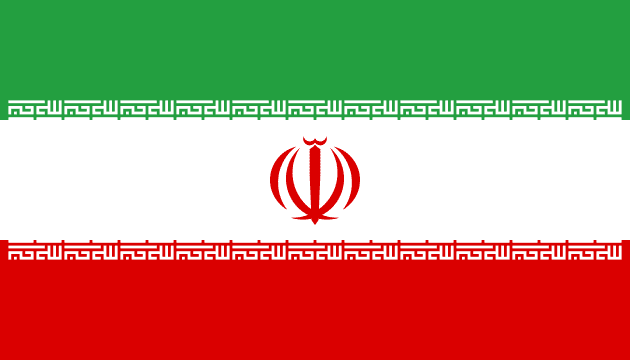
Trump’s Iran ultimatum talk jolted religious leaders before dawn on April 7. Trump warned a “whole civilization” could die, and he tied the threat to Iran’s refusal to reopen the Strait of Hormuz. The deadline shifted, then paused as a two-week ceasefire emerged shortly before 8 p.m. EDT. But Iran kept firing missiles toward Israel through the night, so the crisis stayed volatile. The administration framed the ultimatum as a final chance, and Trump promised strikes on major infrastructure targets if Iran did not comply.
Broad religious backlash targets threats against civilians
Religious condemnation spread fast across X and other platforms because the rhetoric pointed at “all the people” of Iran. Pope Leo XIV called the threat “truly unacceptable,” and several U.S. Catholic bishops echoed him. Archbishop Paul Coakley said destroying a civilization and targeting civilian infrastructure cannot be morally justified. Imam Steve Elturk said Trump’s vulgar and inflammatory language mocked sacred expression and undermined stability. CAIR labeled the comments “unhinged, racist and genocidal,” and urged Congress to move to end the war. NIAC warned that the language crossed into genocidal rhetoric against a nation of more than 92 million people.
Evangelical leaders largely shield Trump from criticism
Many prominent evangelicals avoided rebuking Trump, even as other faith leaders escalated their objections. Franklin Graham said he disliked the wording but supported confronting “evil” to save lives. Robert Jeffress dismissed concerns about “salty language,” arguing that presidents speak differently than church teachers. Joel C. Rosenberg called the words vulgar, but praised Trump’s resolve and message to Tehran. Darrell Scott said voters did not choose Trump on the condition that he avoid conflict with Iran. A few evangelicals broke ranks, and Tony Perkins urged prayer while criticizing the decline in decorum.
Moral theology, refugee fears, and a widening divide
Russell Moore said excusing the rhetoric while claiming to be pro-life shows a seared conscience, and Beth Moore expressed disbelief at what she read. World Relief’s Myal Greene warned that dangling an entire people’s fate worsens displacement fears, because aid groups already serve families fleeing the conflict. PRRI’s Robert P. Jones said the threats clash with ‘just war’ tradition and could amount to war crimes, since moral limits demand proportionality and civilian protection. Jones also tied the language to Christian nationalism’s good-versus-evil framing, which can justify unlimited means. Supporters argue that Trump’s pressure deters a nuclear threat and projects strength, but detractors fear genocidal rhetoric, war crimes, and mass civilian suffering.
Evangelical leaders yawn at Trump’s claim that ‘a whole civilization will die tonight’
Photo by Sander Sammy on Unsplash
About Post Author