Public executions have not occurred in the United States for nearly a century, but the issue has returned with force. Defense Secretary Pete Hegseth announced that convicted mass murderer Nidal Hasan will be executed by firing squad via livestream. President Donald Trump later said he would make the final decision.
Supporters may frame public executions as justice and deterrence. Yet history suggests they invite spectacle, not moral clarity. Public executions often turn state killing into entertainment, and they weaken the solemnity that justice demands.
History Shows the Spectacle’s Danger
The last reported public execution in the United States occurred in Missouri in 1937. A year earlier, 20,000 people gathered in Kentucky to watch the hanging of a young Black man. He confessed to rape, but he was never formally charged.
Public executions faded because botched hangings disturbed witnesses, and crowds increasingly treated death as amusement. Families picnicked, people cheered, and executions became civic spectacles.
England’s “Bloody Code” offers an even sharper warning. More than 200 crimes became punishable by death, and public hangings drew massive crowds. But frequent executions did not prove deterrence. Instead, they created markets for pamphlets, refreshments and lurid crime stories.
Christian Reformers Warned Against Cruelty
Christian reformers saw the damage clearly. William Wilberforce worked to reduce capital crimes and improve prison conditions. He and other evangelicals believed public cruelty harmed offenders, but it also corrupted spectators. They opposed blood sports for the same reason. Killing for necessity differed from killing for entertainment. Augustine also warned that violent spectacles could intoxicate the soul and spread brutality.
Justice Should Not Become Entertainment
Public executions display state power. In authoritarian countries, they terrorize citizens. In free societies, they degrade them. Christians may debate the death penalty, but livestreamed execution crosses another line. Supporters seek accountability and deterrence, but detractors fear spectacle, cruelty and moral coarsening. Matthew Lee Anderson argues that justice should include mercy, and even the guilty should meet God without the world watching.
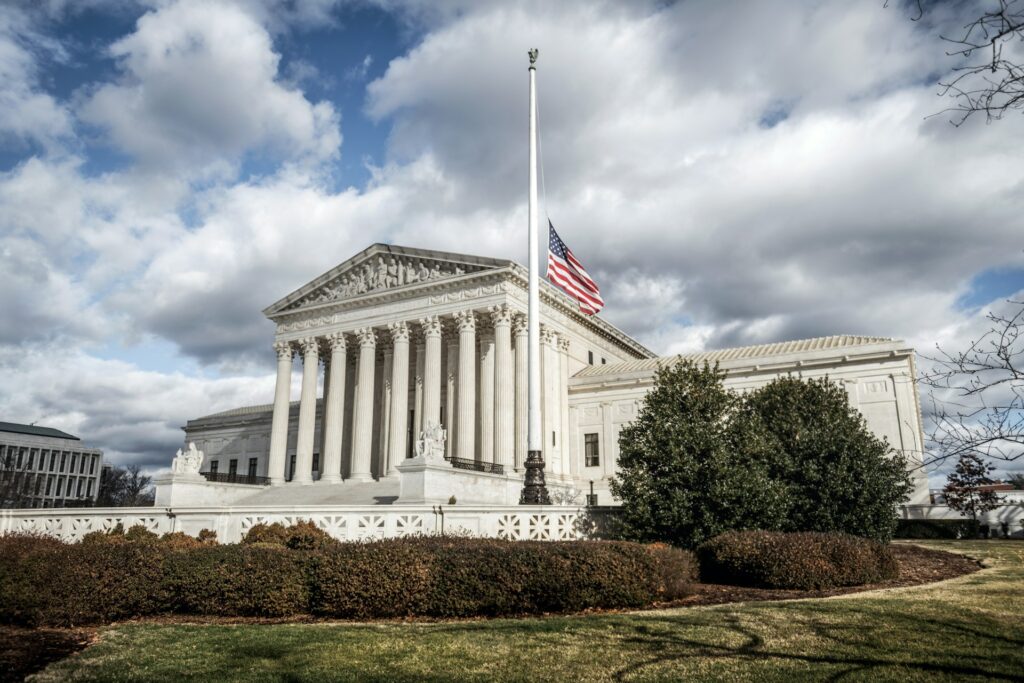
Photo by Arnav Singhal on Unsplash
Source: Christianity teaches us not to turn executions into entertainment
About Post Author