The Mormon Church’s real estate empire extends far beyond temples and other religious properties. The Church of Jesus Christ of Latter-day Saints owns at least 2.4 million acres across the United States, according to Bloomberg.
These Mormon Church land holdings carry an assessed value exceeding $20 billion. But their actual market value could be considerably higher because some states limit public access to property records.
The church manages much of its portfolio through Property Reserve, a relatively obscure real estate company. Its subsidiaries own farmland, ranches, apartment buildings, hotels and commercial developments.
Major investments reshape communities
The church increasingly invests in residential construction and master-planned communities across growing metropolitan areas. Projects in Florida, Colorado and Arizona are transforming longstanding agricultural holdings into substantial developments.
In 2026, church-affiliated investors purchased a Boca Raton apartment complex for $240 million. The transaction ranked among South Florida’s most expensive multifamily property deals.
Meanwhile, a massive Florida development covers an area approaching San Francisco’s size. State officials established a special local government to oversee infrastructure financing and development.
Other acquisitions have generated opposition with environmental advocates challenging development plans involving approximately 3,000 acres of ranchland near Kyle, Texas.
Financial transparency and tithing concerns
The Mormon Church’s expanding property portfolio has intensified questions about financial transparency and religious donations.
Church members traditionally contribute 10% of their income through tithing. Critics question whether these contributions should support extensive commercial investments.
In 2023, the Securities and Exchange Commission penalized the church and Ensign Peak Advisors $5 million for investment disclosure violations. Regulators found that shell companies obscured the scale of the church’s securities portfolio.
Former employees have also questioned how the church manages its accumulated wealth.
Church defends investments amid criticism
Church officials maintain that their investments support religious operations, humanitarian activities and long-term financial stability. They reject allegations of improper financial management.
Supporters view the real estate portfolio as responsible stewardship that protects the church’s future.
Critics argue that limited financial disclosure prevents members from fully understanding how their donations are managed. Large-scale developments also raise concerns about environmental protection and concentrated landownership.
The debate continues as the church expands its commercial investments and influence over American communities.
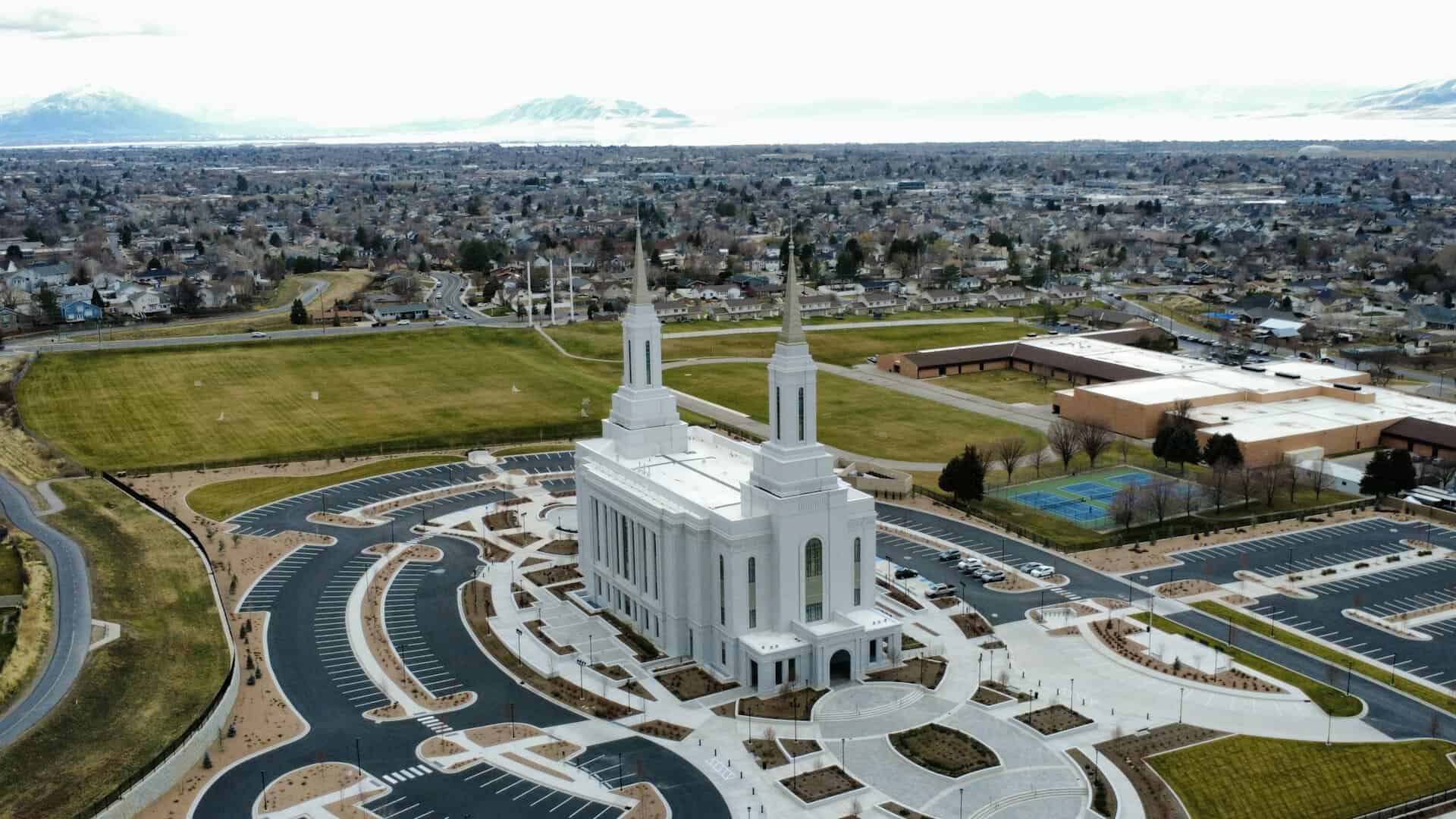
Photo by Harrison Plouzek on Unsplash
About Post Author