Russia’s war on faith in Ukraine is colliding with daily worship, even near the front. In Slovyansk, pastor Oleksandr Pavenko has buried three sons amid Russian attacks, yet he keeps serving. Kremlin-backed separatists abducted and killed two of his sons in 2014, along with two church deacons. Another son later died after a Russian rocket strike while he ministered to troops in eastern Ukraine. Pavenko stayed put because his community needed help and hope.
A Church Turned Lifeline
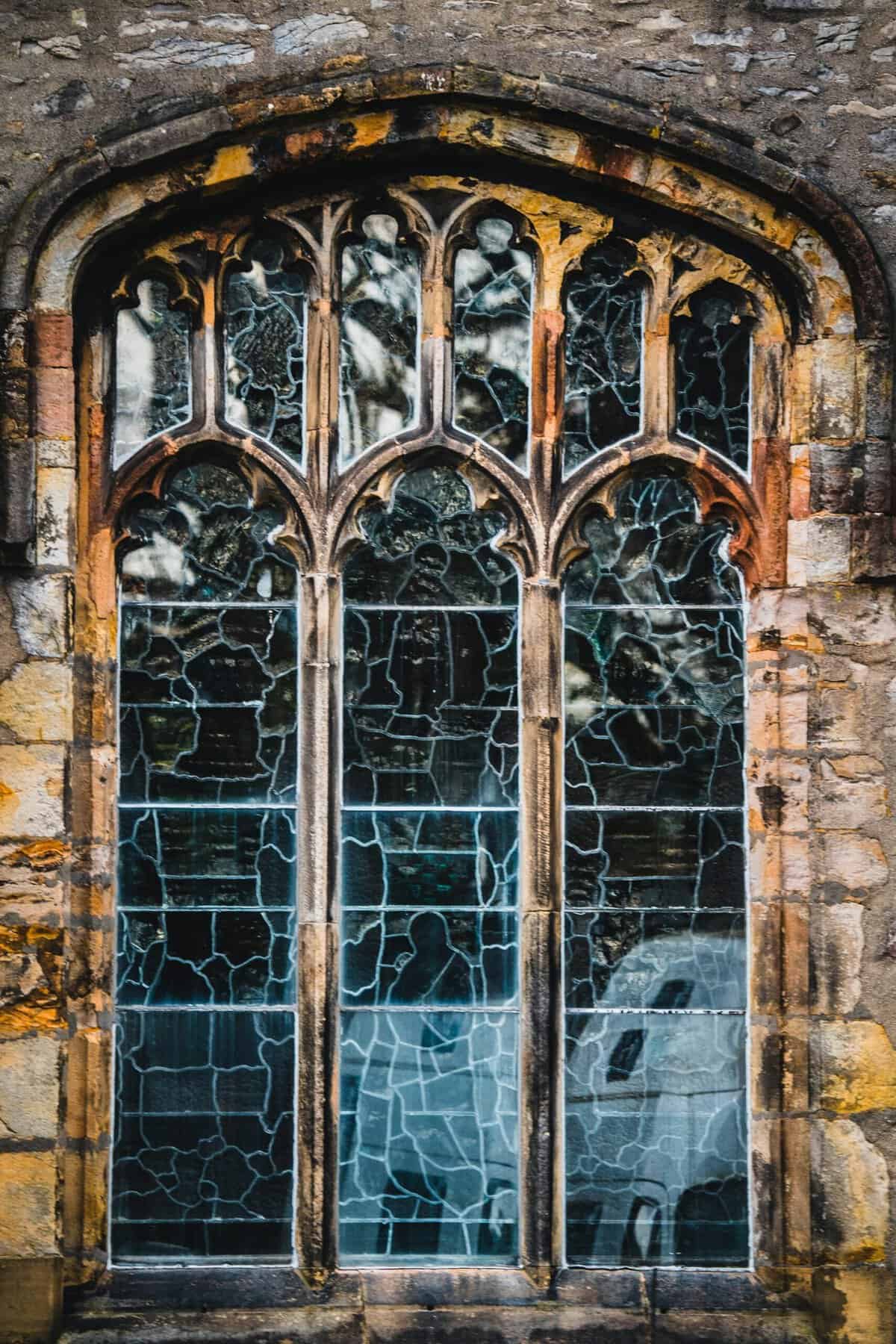
Transfiguration Church became a humanitarian hub, not just a sanctuary. The congregation distributed food and clean water, and it offered English lessons. It also ran a thrift shop stocked with clothes, toys, and household goods. Then a Russian guided bomb struck on April 25 and blew out most windows. The blast also badly damaged the roof, so members boarded up openings and patched what they could. Still, 170 people arrived the next day for Sunday worship, and services continued.
Strikes Across Sacred Spaces
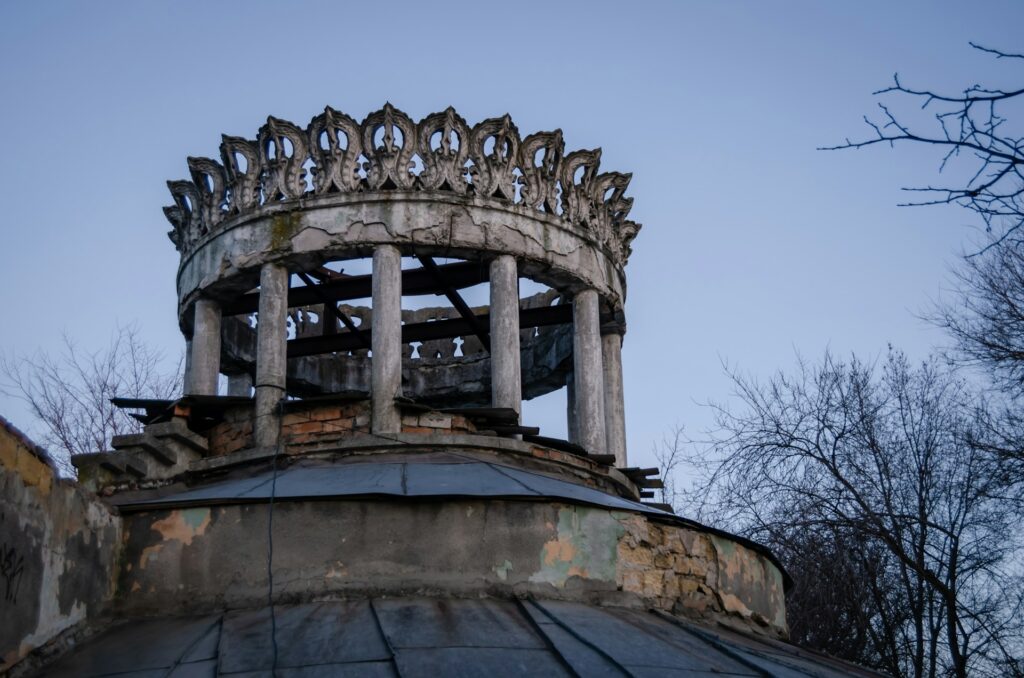
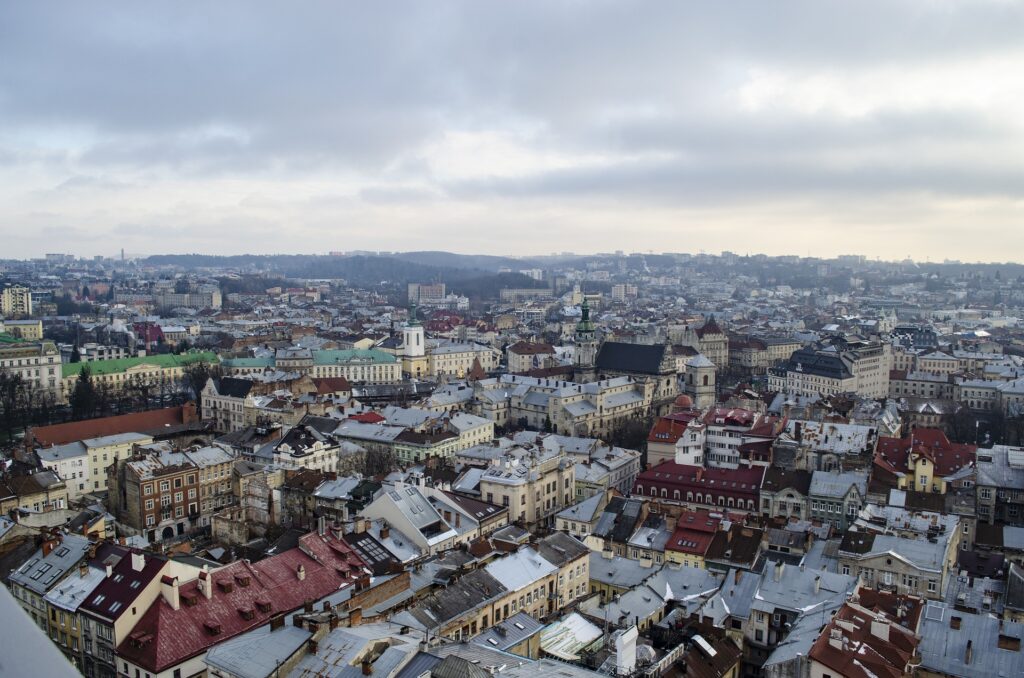
Other churches have suffered similar blows, and the pattern spans regions. A Russian missile hit a church in Zaporizhzhia on April 16, killing one person and injuring two. In March, a drone attack damaged St. Andrew’s Church in Lviv, a 17th-century UNESCO site. Near Kyiv, two Iranian Shahed drones narrowly missed the Spasinnya Evangelical Church during a pastor’s conference. Shrapnel tore into buildings and vehicles, but worshipers still packed the service.
Sanctions Push and a Wider Clampdown
In Washington, lawmakers say these incidents reflect targeted religious freedom attacks in Ukraine. A bipartisan group introduced the Countering Russia’s War on Faith Act. The bill would require U.S. reporting on violations and impose sanctions on those responsible. Sponsors also accuse Patriarch Kirill of blessing the invasion with theological rhetoric. The proposal cites hundreds of damaged churches and dozens of killed or abducted religious leaders, although reported totals vary.
Supporters and Detractors Weigh the Costs
Supporters of the sanctions effort argue that Russia’s war on faith in Ukraine aims to crush independent worship, especially in occupied areas. Pastors from Melitopol describe raids, document checks, searches for “extremist literature,” and forced expulsions. Detractors may worry that sanctions harden Moscow’s stance, and they may question attribution in specific strikes. Yet local leaders say the risks of silence feel greater because congregations keep meeting under fire.
As Russia Strikes Ukrainian Churches, Worship Goes On
Photo by Jonny Gios on Unsplash
About Post Author