Global executions surged in 2025, according to Amnesty International’s new death penalty report. The group recorded 2,707 executions across 17 countries, up from 1,518 in 2024. Iran drove most of the 87% worldwide increase, and its total more than doubled.
Iran executed at least 2,159 people last year, compared with 972 the previous year. Amnesty said Iranian authorities used the death penalty to instill fear, punish dissent, and project power. The report also linked executions to flawed trials and sweeping national security claims.
Iran And Drug Cases Drive The Increase
Iran’s rise included executions tied to the 2022 “Woman Life Freedom” protests. Two men were executed for alleged roles in the demonstrations after Mahsa Amini died in police custody. The protests became a direct challenge to Iran’s ruling establishment.
Executions also climbed after Israeli military strikes on Iran in June 2025. Authorities executed at least 11 men accused of espionage or collaboration with Israel. Before the strikes, two men had been executed on similar charges.
Saudi Arabia recorded at least 356 executions, the second-highest known total. Drug offenses accounted for 67% of those executions, and foreign nationals made up a large share. Amnesty said drug-related offenses fueled nearly half of all known executions worldwide.
Florida Leads U.S. Execution Spike
The United States nearly doubled its executions, rising from 25 in 2024 to 47 in 2025. Florida led the surge with 19 executions, pushing the national total to its highest level since 2009. Alabama, South Carolina, and Texas followed with five executions each.
The U.S. remained the only country in the Americas to carry out executions for the 17th straight year. Amnesty also highlighted nitrogen gas asphyxiation, which is used only in the United States. Alabama, Louisiana, and Mississippi authorize that method.
Supporters And Critics Clash Over Capital Punishment
Supporters argue executions strengthen public safety, deter violent crime, and deliver justice for victims’ families. Some officials promote tough-on-crime policies because voters demand stronger responses to murder and terrorism.
Critics warn that global executions surged because governments used fear, secrecy, and political messaging to expand state power. Amnesty, the United Nations, and abolitionists also cite unfair trials, botched executions, and untested chemicals. They argue the death penalty silences dissent and violates human rights.
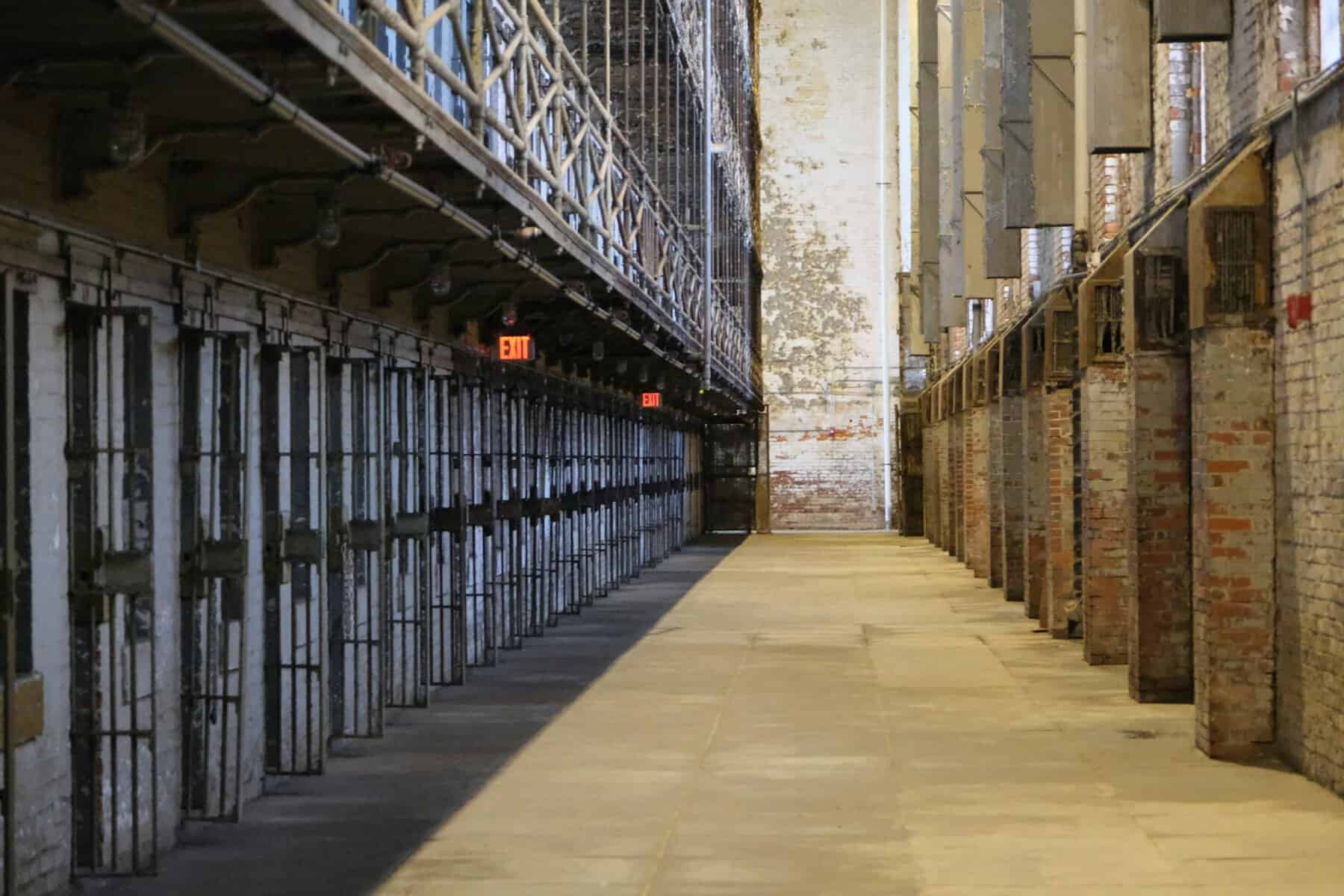
Iran and Florida noted for increase in executions
Photo by Anil Baki Durmus on Unsplash
Trending hashtags: #HumanRights #DeathPenalty #JusticeReform
About Post Author