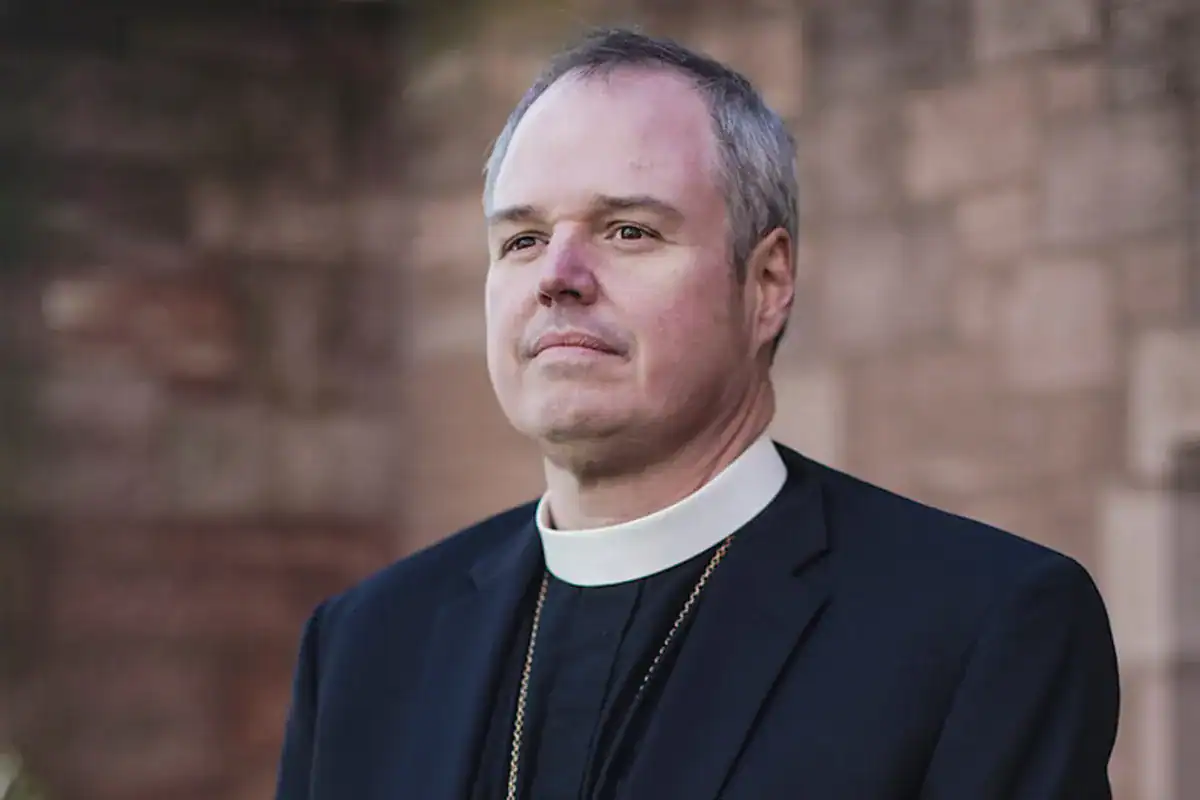
Presiding Bishop Sean Rowe of The Episcopal Church used Independence Day to reflect on the institution’s evolving identity. Once aligned with political elites, the church now sees itself as resisting what Rowe calls the Trump administration’s “overreach and recklessness.” His opinion piece, published July 3 in Religion News Service, argues that the church must realign its patriotism with Christian values rather than partisan agendas. Rowe emphasized that faithful opposition requires clarity about the church’s moral commitments, particularly when political forces challenge the freedom to worship, gather, and support marginalized communities worldwide.
Break from Federal Programs Signals Shift
Rowe highlighted key moments that mark the church’s distancing from federal authority. In February, The Episcopal Church joined interfaith groups in suing the federal government over ICE raids on houses of worship, citing violations of religious freedom. In May, it withdrew from a four-decade refugee resettlement partnership after the administration demanded it prioritize white Afrikaner refugees. Travel bans affecting church members in Haiti, Cuba, and Venezuela further deepened the divide. The church now faces internal discussions on how best to navigate ongoing restrictions without compromising its global mission and inclusive values.
Supporters of the church’s stance applaud its moral clarity and a renewed commitment to justice. Critics argue it risks politicizing faith and alienating congregants who support Trump-era policies.
Reconciling with a Troubled Past
Rowe addressed The Episcopal Church’s historical complicity in slavery, colonialism, and U.S. foreign policy. He acknowledged that the church once failed to oppose slavery and operated residential schools for Indigenous children. By confronting this past, Rowe suggests, the church can better understand its current responsibilities and avoid repeating past mistakes in the face of modern authoritarian trends.
Some faithful welcome this reckoning as overdue. Others worry it undermines national unity and distracts from spiritual priorities.
Learning from Global Christian History
Rowe drew parallels with the Confessing Church in Nazi Germany, which resisted state interference but often failed to confront systemic evil like antisemitism. He warned against allowing even resistance to be shaped by oppressive ideologies. The Episcopal Church, Rowe argued, must transcend traditional divides and pursue a faith rooted in human dignity and justice. Resistance, he said, must be shaped by Christ’s call, not by partisan categories.
A New Kind of Patriotic Faith
The church’s patriotic identity is changing. Rowe called on members to choose the teachings of Jesus over political obedience, placing marginalized communities at the center of their witness. For many, this signals a redefinition of faith-driven citizenship in times of turbulence. He emphasized that the church must resist complacency and seek moral clarity, even when doing so creates tension with historical norms or national traditions. This new form of engagement, Rowe argued, may be the most faithful way to honor both country and Creator in the present moment.
Source:
Image: Episcopal News Service
About Post Author