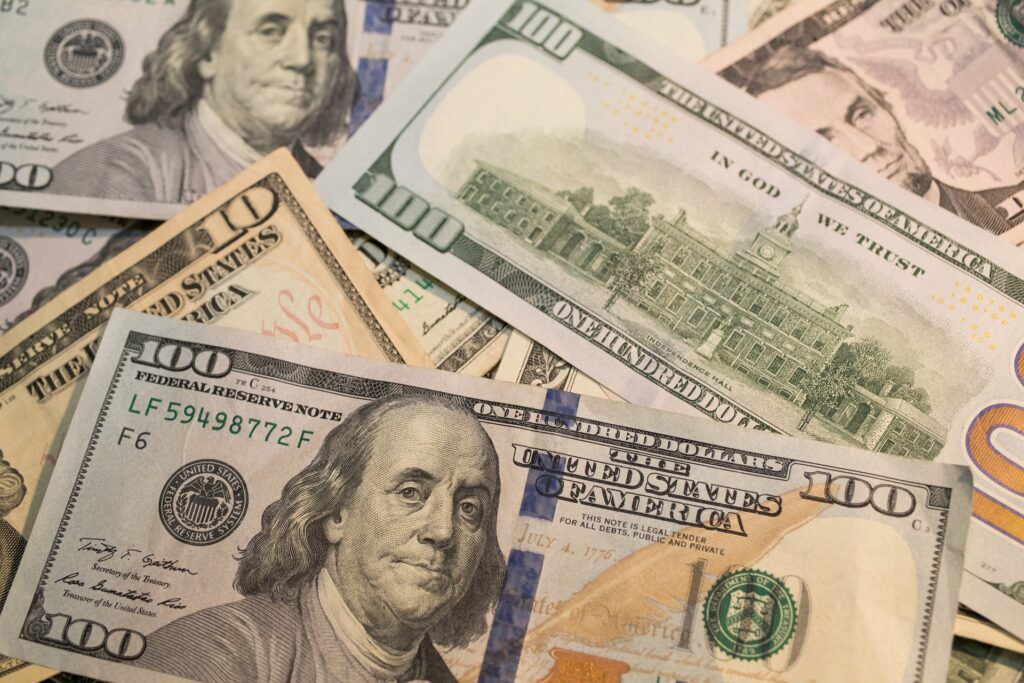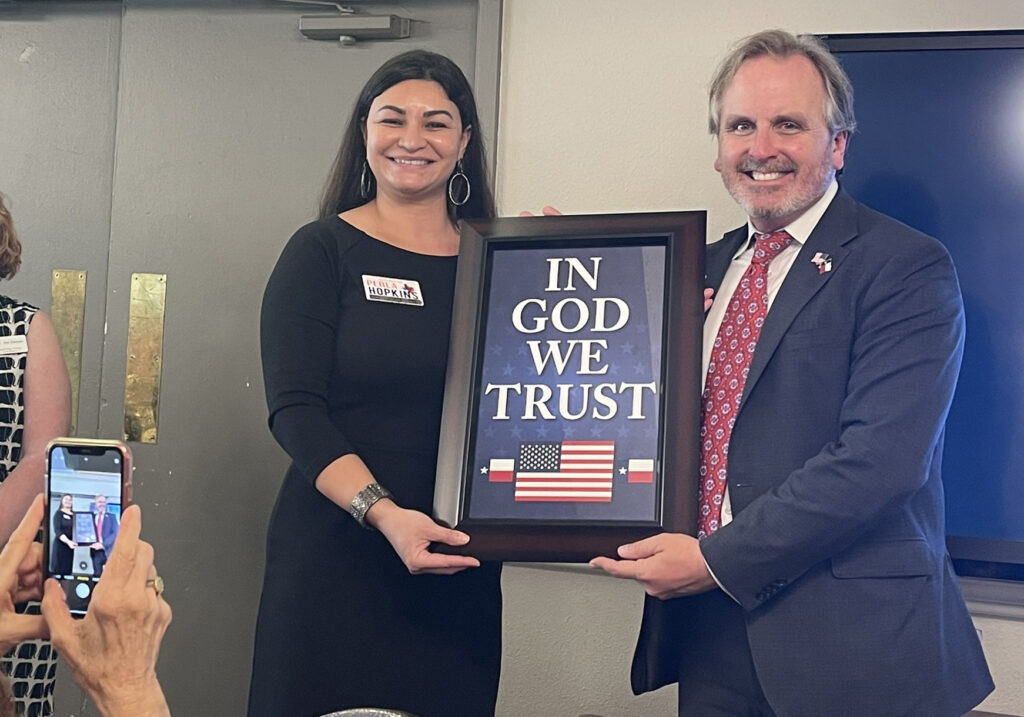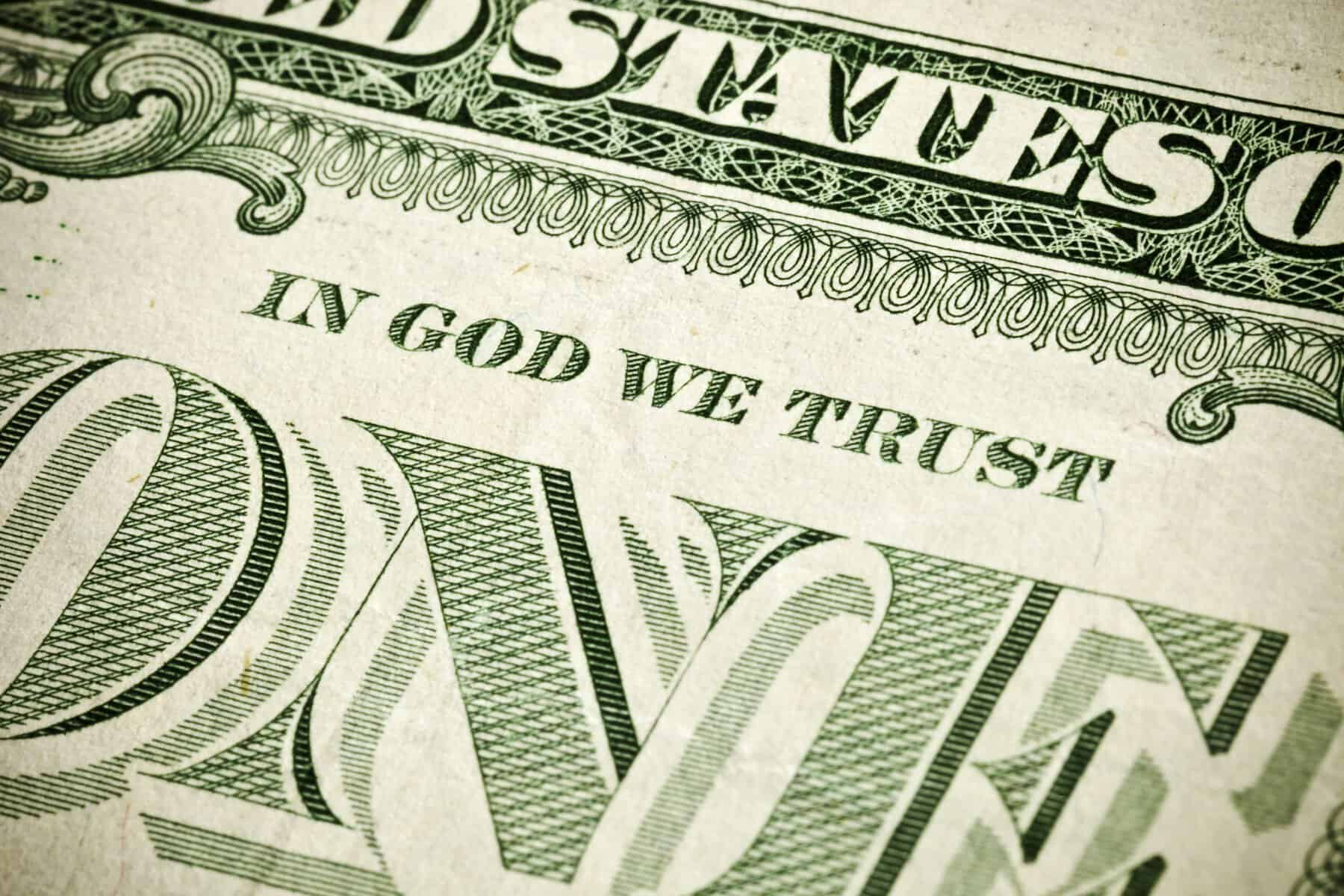
In God We Trust, the currency began with Matthew Rothert Sr., an Arkansas Presbyterian, furniture maker, and coin collector. During church in Chicago on June 21, 1953, Rothert believed God urged him to place the motto on paper bills. Coins already carried the phrase, but bills traveled across borders, so he saw a wider spiritual reach.
His daughter, Alice Rothert Nelson, said the offering plate moment launched years of letters, speeches, and appeals. Rothert viewed U.S. paper money as a global messenger, especially during the Cold War. Because American bills moved worldwide, he believed they could carry faith behind the Iron Curtain.
A Motto Moves From Coins to Bills
The phrase first appeared on U.S. coins during the Civil War. Baptist minister Mark Richards Watkinson urged Treasury Secretary Salmon P. Chase to recognize God on American coinage. Congress approved the motto for some coins in 1864 and later expanded it.
Nearly a century later, Rothert revived the cause. He contacted President Dwight D. Eisenhower, Treasury Secretary George W. Humphrey, and lawmakers. Humphrey supported the idea but said Congress needed to act.
Rothert’s relationships helped. Friends included Sen. Mike Monroney, Rep. Oren Harris, and Arkansas Sens. John L. McClellan and J. William Fulbright. Fulbright chaired the Senate Banking Committee, and Monroney pushed the bill forward.
Timing Strengthened the Effort
Congress moved quickly in 1955. Eisenhower received the bill by July 11, and the timing helped because printing plates already needed replacement. The motto first appeared on $1 silver certificates on Oct. 1, 1957. Congress made it the official national motto in 1956.
Hope Rothert Taft said the timing showed divine orchestration. She uses a dollar bill to show that ordinary people can make a difference.
Supporters and Critics See Different Stakes
Rothert’s family sees In God We Trust currency as proof that faith-driven citizens can shape history. They say their father gave God the credit and wanted Americans to live gratefully. But critics, including atheist activist Madalyn Murray O’Hair, challenged religious language on public money. Her effort to remove the motto failed in 1978.
‘All the credit to the Lord’: How a small-town Arkansas man got God on America’s money
About Post Author