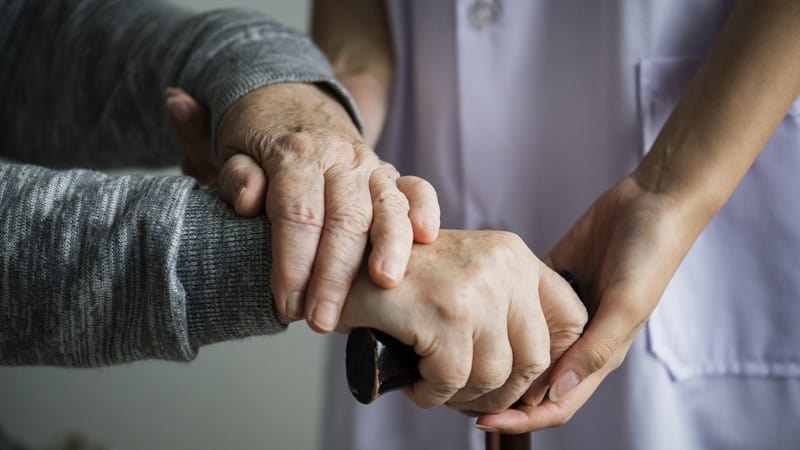
Germany’s caregiver shortage is reshaping nursing homes, and migrant Christians are stepping into the gap with compassion, faith, and resilience. At Immanuel Senior Care Center in Elstal, Sharoon Masih serves meals, helps residents with daily needs, and listens to their stories. His work goes beyond routine care because many older adults crave conversation and connection.
Masih arrived from Pakistan in 2018 after facing persecution for his Christian faith. His asylum claim was denied, but a Berlin church helped him endure legal uncertainty and find work. Within a year, he gained residency, and his experience with loneliness now shapes his vocation.
Aging Germany Needs More Caregivers
Germany’s aging population continues to expand, so its long-term care system faces mounting pressure. By 2035, one-quarter of Germans will be older than 67. About 5 million people already needed long-term care by the end of 2021.
That demand has collided with a chronic labor shortage. Forecasts point to a gap of nearly 60,000 nursing professionals by late 2025. Care homes increasingly rely on foreign workers from Poland, Bosnia-Herzegovina, Turkey, Romania, and other countries.
Newcomers Seek Stability Through Service
Chizoba Okafor, a Christian from Nigeria, hopes caregiving can help stabilize her future. Her asylum case remains under review, and she lives under a tolerated-stay status. She volunteers at a Diakonie Deutschland center while learning German.
Okafor serves tea, helps residents reach activities, and offers a listening ear. She sees presence as ministry because loneliness weighs heavily on older adults. She hopes vocational training or entry-level care work will secure her residency.
Faith, Boundaries, and Public Concerns
Supporters see migrant Christians as a vital answer to Germany’s caregiver shortage. They value their labor, cultural warmth, and spiritual presence in institutions filled with aging and isolated residents.
Detractors or hesitant residents may worry about religious conversations in vulnerable settings. Masih respects boundaries, and he avoids faith discussions when people show discomfort. Still, he views service as a Christian calling and says caring for the elderly means serving Christ.
Migrants Fill the Gap Caring for Germany’s Aging Population
Photo by National Cancer Institute on Unsplash
About Post Author