Early Rediscovery of Lost Scriptures Challenges Conventional Timelines
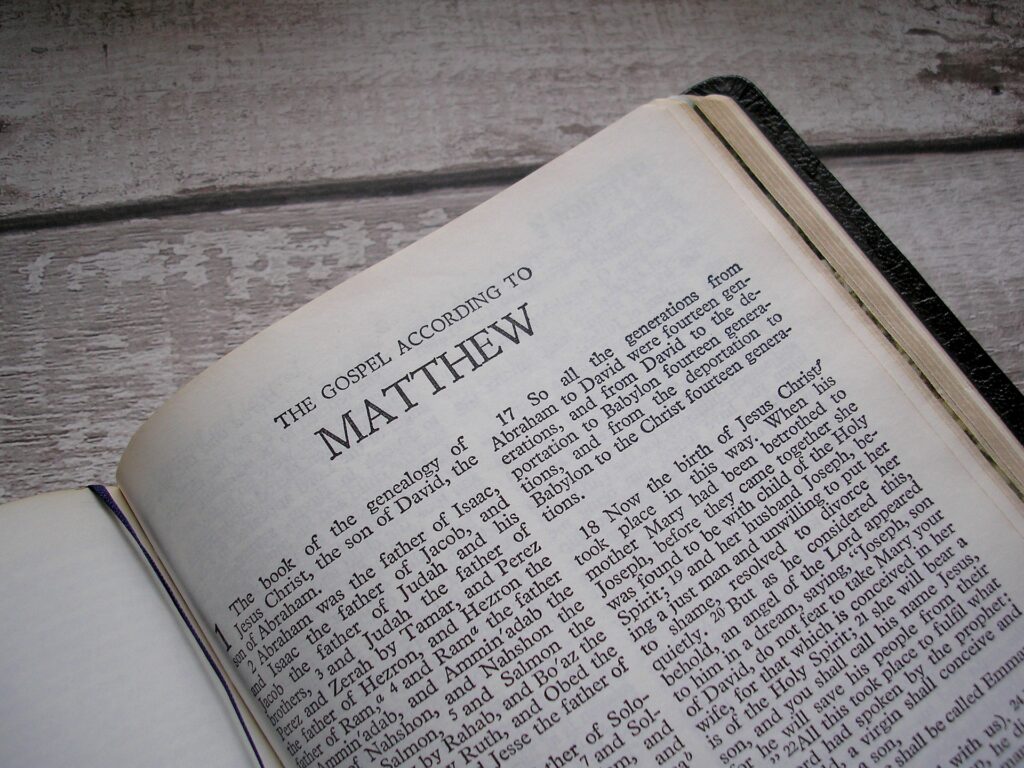
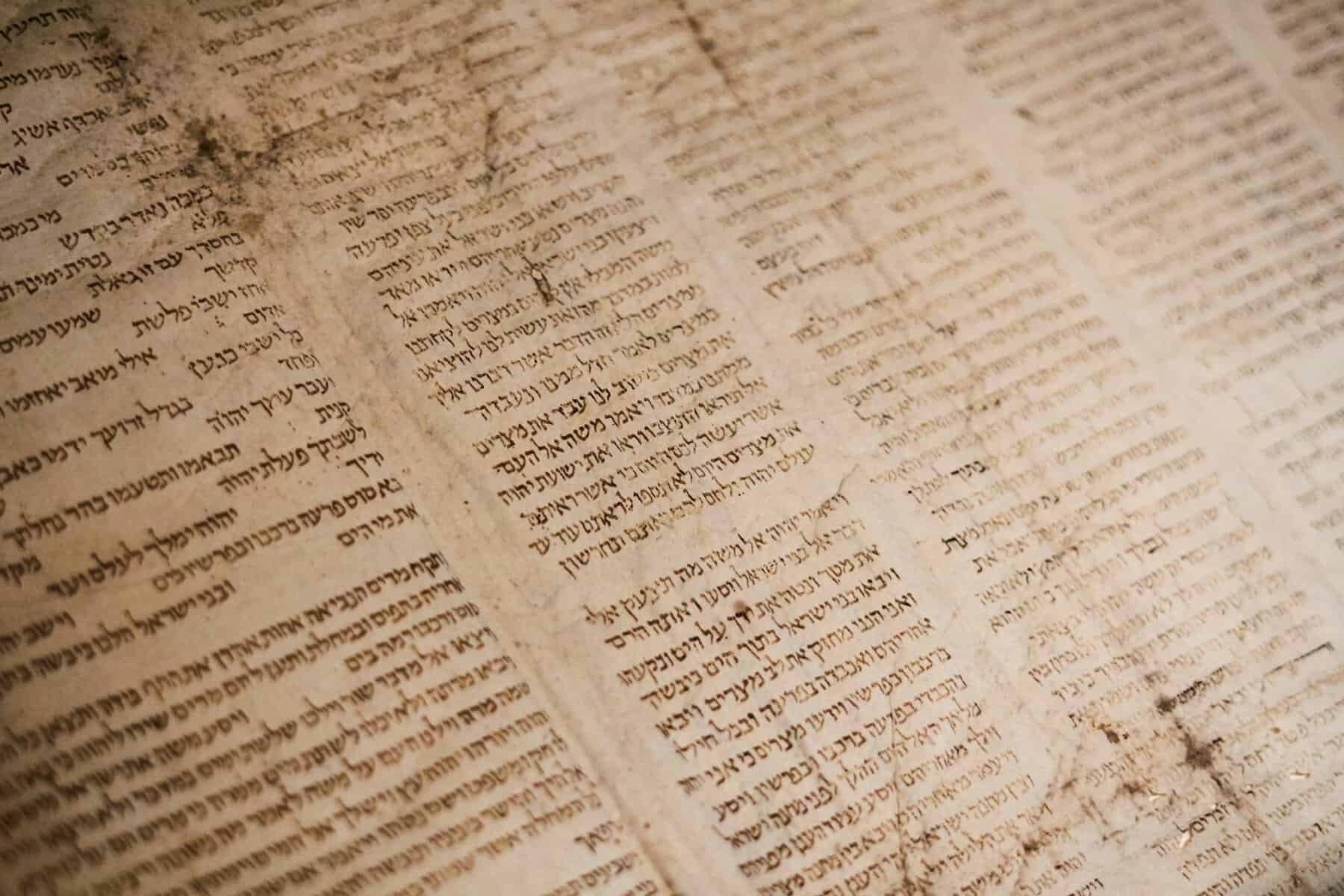
Modern awareness of ancient alternative scriptures often begins with the 1940s discoveries of the Dead Sea Scrolls and the Nag Hammadi Library. However, historian Philip Jenkins argues that critical rediscoveries occurred much earlier, between the 1880s and 1920s. During this period, texts like the Cairo Genizah manuscripts and early versions of the Gospel of Thomas began reshaping scholarly and public views of Christian origins. Jenkins proposes that our current understanding of “lost gospels” owes much to these earlier findings—long before they were thought to have emerged.
Popular and Scholarly Enthusiasm in the Early 20th Century
The rediscovered scriptures stirred widespread interest across Europe and North America. These ancient writings weren’t confined to scholarly journals; they appeared in popular newspapers, novels, and even music. Figures like George Moore and Robert Graves fictionalized alternative Christian narratives, while composer Gustav Holst incorporated Gnostic texts into his work. At the time, both lay readers and religious leaders debated whether these non-canonical texts were heretical, irrelevant, or deeply revealing.
The Role of Theosophy in Shaping Interpretation
Jenkins highlights the Theosophical movement as crucial in popularizing and interpreting these ancient texts. Led by figures like Helena Blavatsky and G. R. S. Mead, Theosophists viewed Gnosticism as a suppressed esoteric truth. Their influence provided a framework through which mystical and feminist interpretations of Christianity flourished. Supporters valued Theosophy’s expansive spirituality and ecumenism; critics dismissed it as pseudo-history and spiritual excess.
Feminist Spirituality Emerges From Ancient Texts
Rediscovered Gnostic writings offered new theological models that deeply resonated with feminist thinkers. Women such as Matilda Joslyn Gage and Annie Besant found in texts like Pistis Sophia a vision of spiritual authority inclusive of the feminine. These interpretations influenced broader feminist movements, intertwining religious rediscovery with social reform. Supporters praised these texts for reclaiming lost truths; detractors accused them of distorting orthodoxy and promoting fringe ideas.
Reclaiming a Forgotten Chapter of Religious History
Jenkins contends that the decades before 1940 saw a revolution in how scripture and religious authority were perceived. While later scholarship often claims originality, many “new” ideas from the 1970s were already mainstream decades earlier. These earlier generations interpreted ancient Christianity through a cultural lens steeped in esotericism, progressivism, and reform. By revisiting this overlooked period, Jenkins aims to restore its central place in the history of modern religious thought and cultural transformation.
Source:
The First Discovery of the Lost Scriptures
Photo by Tanner Mardis on Unsplash
About Post Author