Holy Spirit as a Divine Person
The Holy Spirit’s Full Deity and Trinitarian Identity
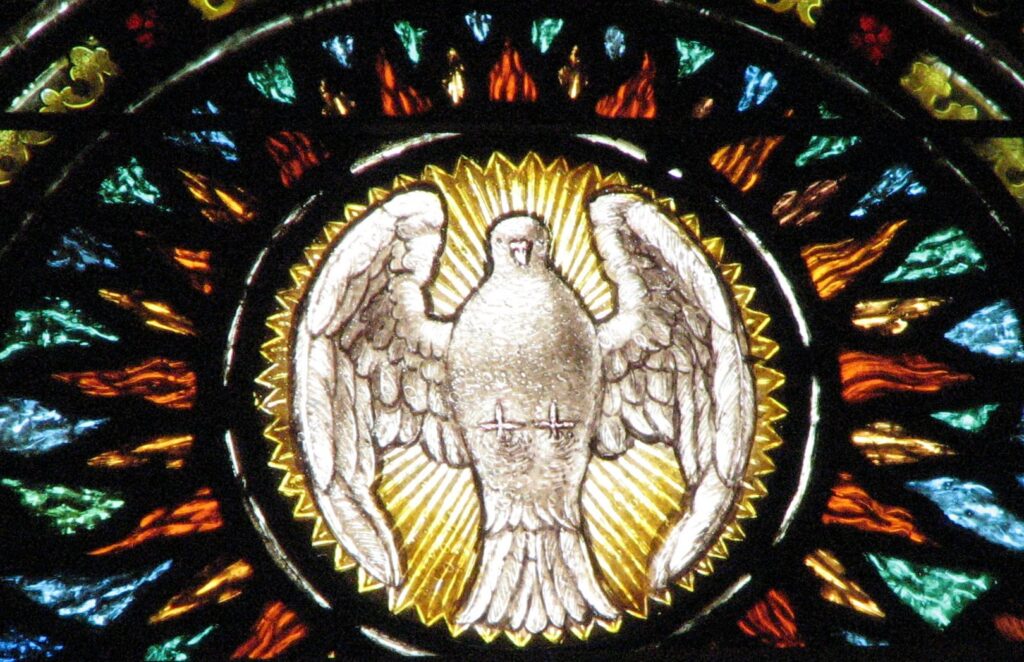
The Holy Spirit is not an impersonal force or symbolic expression of God’s power. He is a divine person, coequal and coeternal with the Heavenly Father and Jesus Christ, the Son of God. According to the Nicene Creed, the Holy Spirit is “the Lord, the giver of life,” who “proceeds from the Father [and the Son]” and “is worshiped and glorified” with the Father and the Son. This affirms the Holy Spirit’s full deity, distinguishing Him from mere spiritual energy or influence.
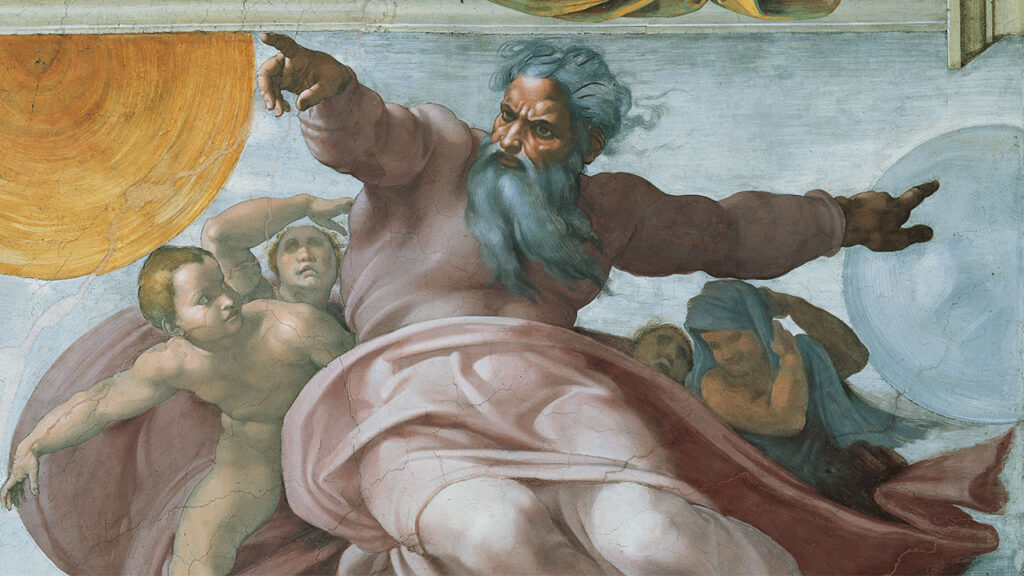
The Holy Spirit’s work is evident throughout Scripture—from creation, where the Spirit of God hovers over the waters (Genesis 1:2), to the Day of Pentecost, when He fills the disciples with power (Acts 2). In both Old Testament and New Testament writings, the Spirit operates as a personal agent: speaking, guiding, grieving, and interceding. This makes it clear that He is a member of the Trinity—worthy not only of honor but also of prayer, worship, and relationship.
The Holy Spirit in the Bible: Old and New Testament Foundations
In the Old Testament, while direct prayers to the Holy Spirit are not recorded, the Spirit of the Lord is portrayed as active in empowering judges (Judges 3:10), prophets (Ezekiel 2:2), and kings (1 Samuel 16:13). The Spirit is associated with divine inspiration, wisdom, and strength. This prepares the way for the fuller revelation in the New Testament, where the Spirit is described not just as a gift from God but as God Himself present among us.
Jesus introduces the Spirit as the Paraclete (John 14:26)—translated as Helper, Advocate, or Comforter—who will be sent after His ascension. He is the Spirit of truth, guiding believers into all truth, and is involved in every stage of Christian experience: conviction of sin, regeneration, sanctification, and glorification. The Spirit empowered the Church on the Day of Pentecost and continues to fill God’s people. These biblical themes provide the theological groundwork for recognizing the Spirit as a personal and relational being to whom we can pray.
Historical and Traditional Views of Praying to the Holy Spirit
Early Church and Liturgical Prayers
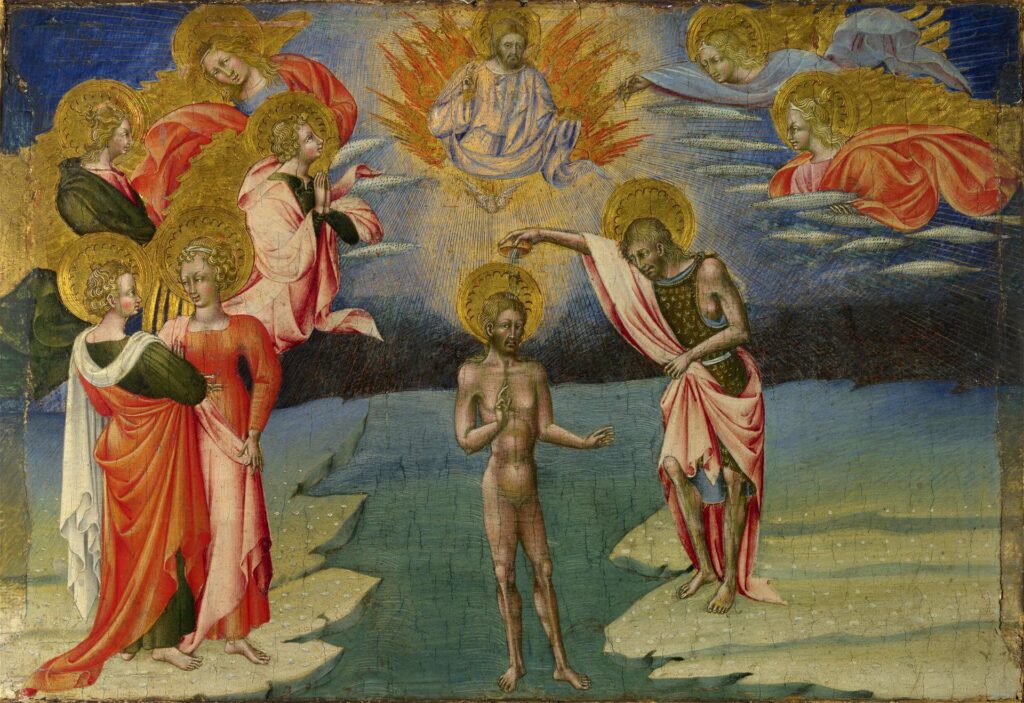
Although the early church primarily directed prayers to the Father, often in the name of Jesus, prayer to the Holy Spirit is not absent from early Christian practice. One of the earliest Christian documents, the Didache, reveals a deeply Trinitarian pattern of worship and baptism. In Eastern Christianity, the epiclesis—a prayer invoking the Spirit to consecrate the Eucharist—is a regular and vital element of worship.
By the fourth century, hymns and prayers directly addressing the Holy Spirit were common. Rabanus Maurus, a ninth-century monk, composed the famous hymn Veni Creator Spiritus (“Come, Creator Spirit”), which has been used in ordinations and Pentecost celebrations across centuries. These prayers demonstrate the Church’s long-standing recognition of the Holy Spirit as a proper recipient of prayer, especially in contexts of seeking divine power and spiritual renewal.
Prayers to the Holy Spirit in Major Christian Churches
Across major Christian traditions—Catholic, Eastern Orthodox, Anglican, Presbyterian, and Methodist—direct prayer to the Holy Spirit is present in both public liturgy and private devotion. The Roman Catholic Church, for instance, encourages the faithful to pray novenas to the Holy Spirit, especially in the lead-up to Pentecost. Anglican liturgies invoke the Spirit in both Eucharistic and confirmation services. In Orthodox Christianity, prayers to the Spirit are regular, particularly the “O Heavenly King” prayer, which begins most services.
These prayers, often embedded as subsections of longer prayers, do not isolate the Spirit from the Trinity but function within a full Trinitarian context. They reflect the theological truth that each person of the Trinity may be addressed, since all share the same divine essence and will.
Examples from Hymns and Devotions
The worship life of the Church offers rich examples of direct appeals to the Spirit. The hymn “Come, Holy Ghost, our souls inspire” is a central part of the liturgies of the Anglican and Catholic churches. Charles Wesley’s “Spirit of Faith, Come Down” and other Methodist hymns frequently invoke the Spirit to inspire belief and action. Such hymns are not merely poetic but serve as written documents of Christian devotion, affirming the Spirit’s divine role in the lives of believers.
These hymns teach theology through song, embedding the practice of prayer to the Spirit deep within the Church’s memory. They often request the Spirit’s gifts—wisdom, holiness, strength—which align with Jesus’ teaching that the Father gives good gifts, especially the gift of the Holy Spirit, to those who ask (Luke 11:13).
Biblical Basis for Praying to the Holy Spirit
The Lord’s Prayer and Trinitarian Balance
The Lord’s Prayer begins with “Our Father in heaven…” (Matthew 6:9), emphasizing a Father-centered prayer model. This has led some traditions to emphasize prayer only to the Father, especially among literalistic Christian traditions. However, the absence of a direct model for praying to the Spirit in Jesus’ teaching does not exclude the practice, especially given the concentric nature of prayer: all prayer is Trinitarian, even when only one person is explicitly named.
The New Testament consistently presents prayer as addressed to the Father, in the name of Jesus, through the power of the Spirit. This Trinitarian pattern supports flexibility rather than restriction. The main thing is communion with the Triune God, and this communion may include moments of direct address to the Holy Spirit.
Pauline Theology and the Spirit’s Role
Paul’s letters offer deep insight into the Spirit’s role in prayer. In Romans 8:26–27, he writes that the Holy Spirit intercedes for us with groanings too deep for words, knowing the mind of the Spirit and aligning our prayers with the will of God. While Paul himself most often prays to the Father in Jesus’ name, he speaks of the Spirit as integral to the act of praying itself.
In Ephesians 6:18, Paul exhorts believers to “pray at all times in the Spirit,” indicating that true Christian prayer depends on the Spirit’s presence and power. Though direct prayer to the Spirit may not be Paul’s usual pattern, his writings make clear that the Spirit of God is not just a helper but a participant in the divine fellowship we experience through prayer.
Instances of Addressing the Spirit in Scripture
The Bible includes moments that suggest or imply prayers to the Spirit, even when not framed by explicit formulas. For example, in Acts 13:2, the believers are described as “worshiping the Lord and fasting,” and the Holy Spirit speaks in response. Though not a direct prayer, the Holy Spirit’s position as a speaking and responding agent suggests a personal relationship in which prayerful communication is natural.
The lack of numerous explicit verses may be due more to biblical economy than to theological prohibition. After all, many aspects of Christian worship and life—such as Sunday worship or infant baptism—are grounded in interpretive traditions rather than in chapter-and-verse commands. Likewise, prayer to the Holy Spirit, while rare in the text, is biblically consistent and theologically sound according to the major Christian churches.
Theological Reflections on Direct Prayer to the Holy Spirit
Trinitarian Prayer: Addressing All Members
Proper Trinitarian theology recognizes that prayer to any one person of the Trinity is prayer to God. While the Father may be the usual object of our prayer, nothing prevents Christians from addressing the Son or the Spirit. After all, Stephen calls out to the Lord Jesus Christ in Acts 7:59, showing that prayer to Jesus is legitimate. Likewise, prayer to the Spirit honors His divine status and role.
Trinitarian prayer recognizes the inseparable works of God—the unity and harmony of the three divine persons. The distinct person of the Holy Spirit may be addressed in prayer, especially in moments when His particular offices—illumination, sanctification, empowerment—are sought. Such prayer does not disrupt the unity of the Godhead but deepens our participation in its mystery.
The Spirit’s Role in Prayer vs. the Object of Prayer
Many theologians stress that the Spirit’s role in prayer is primarily to enable and guide our communion with God. He is often described as the “atmosphere” in which prayer happens. Yet this function does not negate His personhood or ability to receive prayer.
Praying to the Spirit for strength, insight, or sanctification aligns with the biblical understanding of His offices. He is the Spirit of wisdom, Spirit of truth, and the One who knows the depths of God (1 Corinthians 2:10). Addressing the Spirit is appropriate when we desire His particular ministry to be active in our lives and the body of Christ.
Inseparable Operations of the Trinity
The inseparable operations doctrine holds that all external actions of God are done by all three persons together. While the Father sends, the Son redeems, and the Spirit sanctifies, none acts in isolation. Thus, addressing any one person in prayer engages the whole Godhead.
This principle offers freedom and flexibility in prayer. Christians can, in moments of need, address the Spirit directly—particularly when seeking His indwelling presence, guidance, or gifts. This is not about doctrinal formulas but about deepening our communion with the Triune God.
Practical Guidance for Praying to the Holy Spirit
What to Ask the Holy Spirit For
The Holy Spirit is the source of many good gifts. We can ask for His divine power to overcome sin, His wisdom to discern truth, and His strength to live the Christian life. Jesus said the Father gives the Holy Spirit to those who ask (Luke 11:13), implying that specific requests to the Spirit—or for the Spirit—are encouraged.
Christians may ask the Spirit to fill them, empower their witness, illuminate Scripture, cultivate the fruit of the Spirit, and gift them for ministry. Asking for the Spirit’s guidance in decisions or help in temptation reflects the profound importance of the small word “Help”—a word of dependence and faith.
Praying with the Help of the Holy Spirit
Romans 8 affirms that the Spirit helps in our weakness, interceding when we don’t know how to pray. Prayer in the Spirit is not about emotional intensity or speaking in tongues (though some traditions include these) but about being led and empowered by the Spirit’s presence.
The Spirit of the Lord aligns us with the will of God, enabling a heart posture of listening and trusting. In this sense, all Christian prayer is prayer with the Spirit’s help—even when we do not explicitly recognize it. The Holy Spirit is our internal teacher, advocate, and guide.
Living in an Atmosphere of Prayer
To live in the Spirit is to live in constant communion with God. This atmosphere of prayer fosters awareness of God’s presence and cultivates humility and faith. The Spirit leads us to desire daily bread, forgive others, seek holiness, and submit to God’s will—all components of the model prayer Jesus taught.
This life of prayer also draws us into the life of the Church, the body of Christ, where the Spirit moves through Word, Sacrament, and community. Whether we pray with a loud voice or in silent longing, the Holy Spirit is present—leading us toward deeper union with the Father and the Son.
Conclusion: Should We Pray to the Holy Spirit?
In light of Scripture, tradition, and theology, the answer is yes—Christians can and should pray to the Holy Spirit, though with thoughtful understanding. While the New Testament model emphasizes prayer to the Father in Jesus’ name, Christian tradition affirms that all members of the Trinity may be addressed. The Holy Spirit’s full deity, His personal ministry, and His indwelling presence make such prayer appropriate and spiritually enriching.
Prayers to the Spirit often ask for empowerment, sanctification, or wisdom—requests that align with His revealed work. These prayers should be offered in the context of a Trinitarian faith, where the Triune God is worshiped as one, yet known in three persons. Whether one prays to the Father, the Son, or the Spirit, the goal is union with God and transformation into Christ’s likeness.
So, while prayer to the Spirit may not be the first place most begin, it can become a beautiful and biblically rooted expression of our love for the Triune God.
About Post Author