The Vatican mining divestment campaign calls on Catholic institutions to divest from mining and back an ethical investment platform. Church leaders said mining enriches wealthy countries, but it leaves poverty and environmental damage in the Global South. Cardinal Fabio Baggio said the choice is urgent because communities already face threatened territories and contaminated rivers. He described Indigenous peoples, families without water, and mountains “opened like wounds.”
A Church and Mining Network platform expands
The campaign works with the Church and Mining Network across 12 countries in Latin America and the Caribbean. The network promotes local and Indigenous rights and aims to build consensus on divestment from mining and related activities. Institutions that join can compare divestment practices and ethical investment policies. Speakers said that about 40 faith-based organizations already participate, but they did not set a monetary target.
Demand for critical minerals drives growth
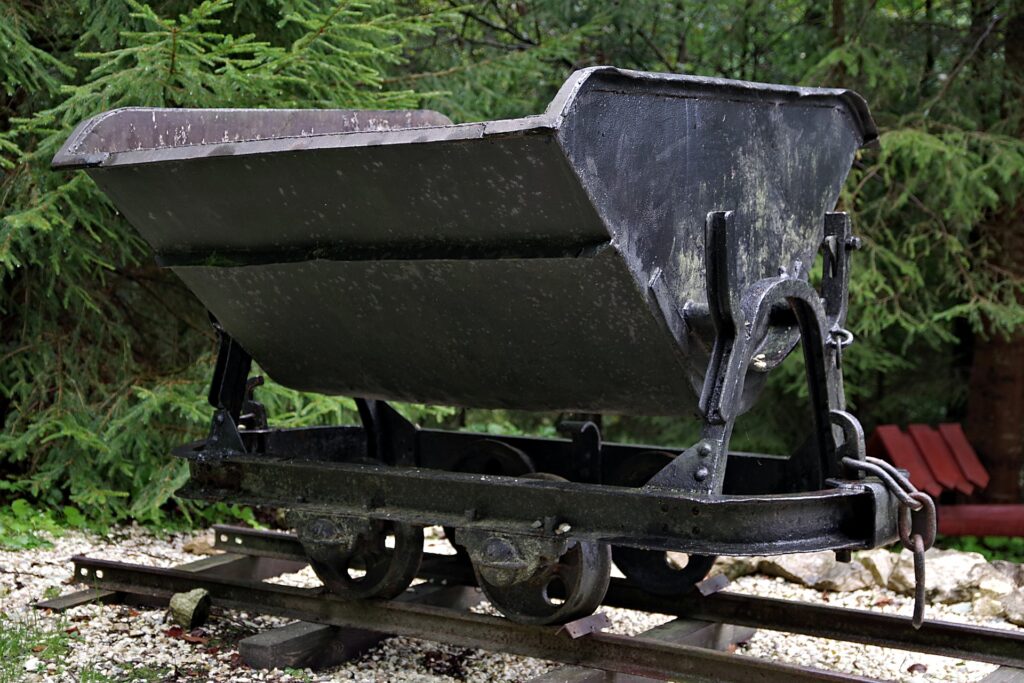
Mining is expanding worldwide as demand for critical minerals rises. Speakers tied the surge to renewable energy and, increasingly, artificial intelligence. The International Energy Agency expects demand to triple by 2030 and quadruple by 2040. The Global Mining Dataset lists over 15,000 mining and processing sites worldwide. Vatican speakers said profits could reach trillions, but harms fall on developing regions.
Communities describe contamination and conflict
Bishop Vicente de Paula Ferreira warned that rare-earth extraction fuels “military neocolonialism” in Brazil. He also criticized “green capitalism,” where companies market clean energy while expanding mines. In Guatemala, Bishop Álvaro Ramazzini cited the Marlin gold-and-silver mine, which began operating in 2004. Indigenous communities said they were not consulted, and protests in 2005 ended with one death and many injuries. Reports cited contamination risks, water depletion, and impacts on farming, and some found elevated metal exposure near the site before it closed in 2017. Ramazzini said the government received 3% of profits, so local poverty persisted.
Supporters and detractors weigh the stakes
Yolanda Flores of the Aymara people described heavy metals detected in Lake Titicaca’s waters and pleaded for clergy support. Dario Bossi said mining firms are tightly linked to banks and funds, so solidarity must connect the North and the South. Supporters say the Vatican’s mining divestment campaign puts “Laudato Sì” into action, and they point to the 2022 investor guidelines, the 2026 Catholic Principles Index, and the 2050 carbon-neutral goal for Vatican City. Detractors may worry divestment could slow mineral supply for energy transitions, and they may argue legal permits already govern projects.
Vatican calls for divestment from mining, citing harm to poor communities
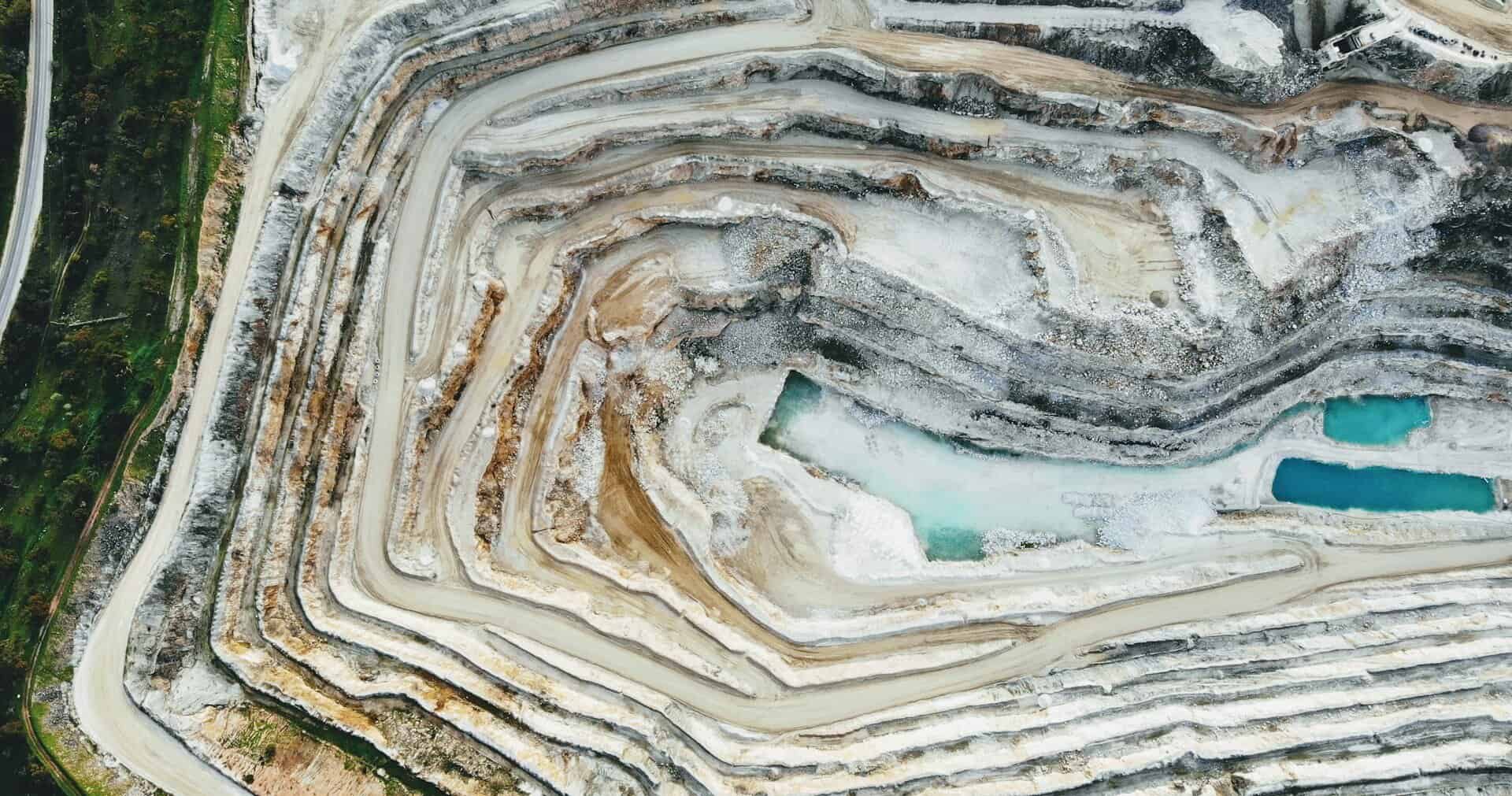
Photo by Dion Beetson on Unsplash
About Post Author