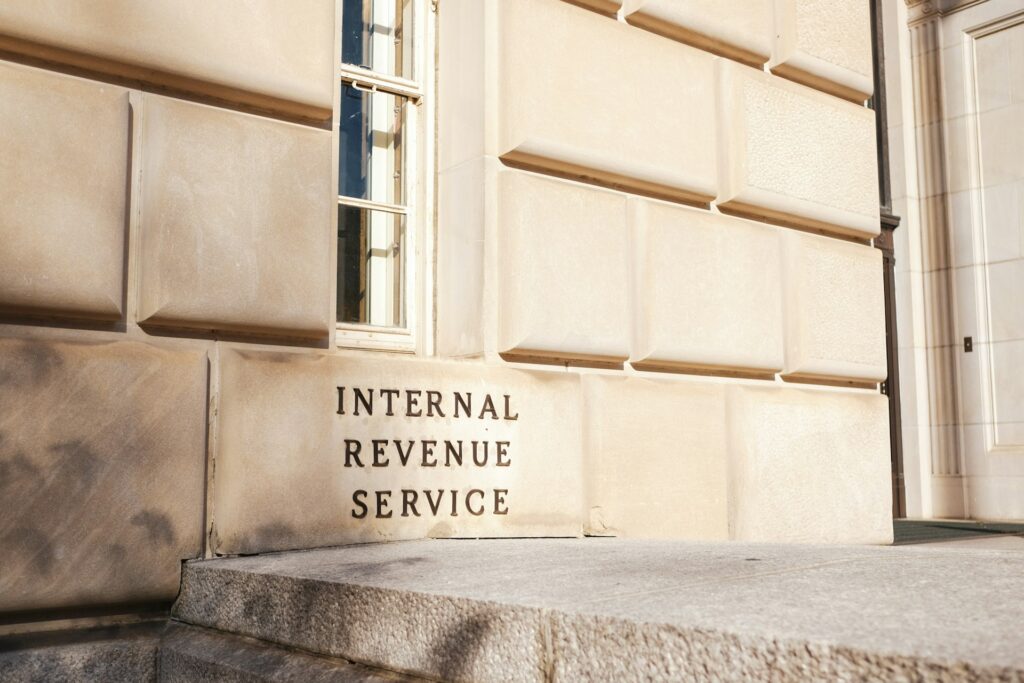
A federal judge shut down a proposed Johnson Amendment settlement and dismissed the lawsuit behind it. The decision kept the IRS pastor endorsement ban in place, so churches and other nonprofits remain barred from backing candidates. The ruling landed as a surprise because the case had been positioned to reshape enforcement. It also halted a plan to lift the IRS ban on pastors endorsing candidates.
U.S. District Judge J. Campbell Barker issued the decision on Tuesday, March 31. He said the court lacked authority to approve an agreement tied to federal tax status. That limit mattered because the settlement would have changed how the IRS treats certain tax-exempt groups.
Court Says Tax Limits Block Declaratory Relief
Barker wrote that courts cannot provide declaratory relief involving federal taxes. He said the requested outcome would restrain the assessment or collection of a tax tied to political activity. In his view, that put the dispute outside the court’s power. He also said it was not obvious the government would ever impose an income tax or other consequence on the plaintiffs.
Barker pointed to a straightforward alternative, but it carried a cost. He wrote that churches could give up their 501(c)(3) status, and then the alleged harms would not occur. That line underscored how tax exemption and campaign activity remain linked under the Johnson Amendment.
Plaintiffs Plan Appeal After Case Dismissal
The National Religious Broadcasters and two Texas churches brought the case in 2024. They argued the Johnson Amendment violates religious liberty and chills what pastors can say. After the ruling, NRB general counsel Michael Farris said the plaintiffs were surprised and plan to appeal. He argued the decision forces them to violate the law to get their claims heard, so he called it an error.
The lawsuit also cited nonprofit news outlets. The plaintiffs said some nonprofit newspapers endorsed candidates without IRS sanction, but churches faced unequal risk.
Decades of Conflict Over Pulpit Politics
Conservative religious legal groups have fought the Johnson Amendment for decades. Some pastors mailed endorsement sermons to the IRS, hoping to trigger a test case, but that strategy rarely worked. Donald Trump promised to eliminate the rule and signed an executive order limiting its use during his first term, yet the core restriction remained in effect.
Enforcement has been uneven, but real penalties exist. Only one church has ever lost its exemption for endorsements: the Church at Pierce Creek in Vestal, New York, after a 1992 ad opposing Bill Clinton.
Supporters and Detractors Clash Over Democracy
Supporters of changing the IRS pastor endorsement ban say pastors must speak boldly on politics because scripture addresses public life. Rev. Ivy Shelton said pastors should preach without fear of government scrutiny, and Allen Jackson argued that no topic is off-limits. Detractors say the Johnson Amendment protects democracy and fair taxation, and Americans United warned churches could become unaccountable political action committees funded by tax-free giving.
Judge rejects Johnson Amendment settlement, keeping ban on pastors endorsing candidates
Photo by Mitchell Leach on Unsplash
About Post Author