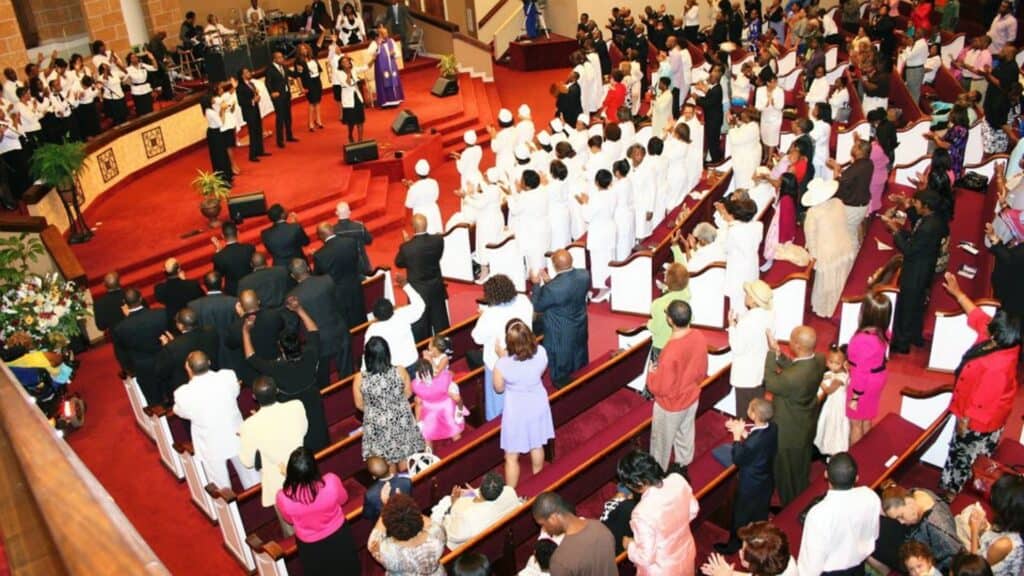
Drug manufacturer Eli Lilly has accused four leaders of the Church of God in Christ of a $250 million fraud scheme. The Eli Lilly fraud lawsuit claims Bishop Jerry Maynard Sr., Pastor Jerry Maynard II, Pastor Misha Maynard, and Elder Readus C. Smith III helped steal rebate money tied to Trulicity. The diabetes drug controls blood sugar in people with type 2 diabetes.
Lilly says the leaders used a church-affiliated health cost-share program to submit fake rebate claims. The company alleges that patients, prescriptions, and medical needs did not exist. But Lilly still issued rebates from 2020 to 2025.
Trulicity Claims Raise Red Flags
The lawsuit says the program operated through a for-profit business called the COGIC Department of Health. Lilly does not accuse COGIC itself of wrongdoing. It also notes that another church-related cost-sharing program showed signs of legitimacy.
Lilly says DrugPlace, a related company, generated an unusually high volume of Trulicity rebate claims. Every prescription looked identical, and no patient returned for a refill. DrugPlace also failed to produce prescription identification numbers or physician contact records.
Data Undercuts the Program’s Claims
Lilly argues the numbers did not match COGIC’s estimated membership. DrugPlace claimed millions of church members could enroll, but COGIC has about 1.9 million members.
Lilly says the expected demand for Trulicity should have involved fewer than 2,000 members. Instead, DrugPlace bought far more than that. So Lilly concluded the purchases exceeded realistic patient need.
Investigator Tracks Suspicious Activity
In May 2025, Lilly sent an investigator to watch the Nashville office of the COGIC Department of Health. The investigator saw no regular customers and no individual medicine shipments.
The lawsuit says the activity resembled an unauthorized wholesale operation. The investigator then followed a truck to Murfreesboro, where it delivered drugs to nine locations.
Supporters and Detractors Raise Concerns
Lilly seeks restitution, unlawful profits, punitive damages, legal fees, and other relief. Its lawsuit portrays the alleged Trulicity rebate scheme as deliberate, coordinated, and costly.
The accused church leaders did not respond to emailed requests for comment. Their lawyers had not yet answered the claims. Supporters may point to COGIC’s health equity work and Lilly’s past grants, but detractors will likely focus on the alleged fake patients, missing records, and implausible rebate data.
Pentecostal leaders accused of conspiracy to steal $250 million from drug manufacturer
About Post Author