Early Christian discoveries in Turkey are reshaping views of Anatolia’s role in the faith’s rise. Across modern-day Turkey, archaeologists have uncovered churches, tombs, inscriptions, and artifacts that highlight a region central to early Christianity.
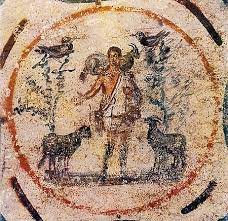
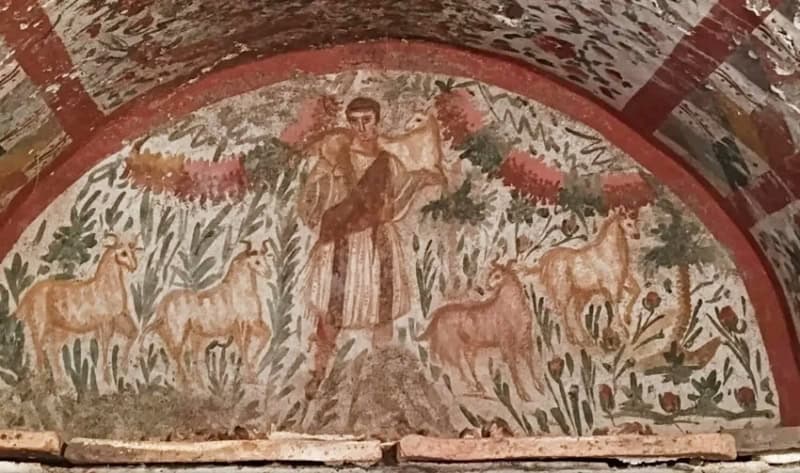
The most striking find emerged in Iznik, where a third-century fresco shows Jesus as the Good Shepherd. Researchers describe it as the best-preserved early image of Jesus yet found. The sealed, oxygen-poor family tomb protected the fresco, so its details remain unusually vivid.
The image shows Jesus with short hair, no beard, and Roman-style clothing. Because it dates to the early-to-mid third century, it offers a rare look at how some Christians pictured Christ nearly 1,800 years ago.
Anatolia’s Churches Reveal a Growing Faith
New finds also trace Christianity’s move from persecuted sect to imperial religion. Scholars say Anatolia served as a cradle of early Christianity, and recent excavations reinforce that view.
In Laodicea, archaeologists uncovered a fourth-century house church, one of only a few known worldwide. In Sardis, researchers continue to study a large sixth-century church that may have shaped later Byzantine design.
Smyrna, now Izmir, has yielded Christian graffiti and inscriptions from the second century. Some experts believe these markings may rank among the earliest surviving Christian writings.
Pergamon has added another rare piece of evidence. Archaeologists identified what may be one of the earliest known depictions of Saint George on a fifth-century pilgrim flask. Work there also centers on an amphitheater tied to early Christian martyrdom.
Roman Power Frames the Christian Story
The discoveries also illuminate the Roman imperial cult, which promoted emperor worship across Anatolia. Researchers say that pressure helped define Christianity as a faith often set against imperial authority.
Statues and fragments linked to Marcus Aurelius and Hadrian provide added context for New Testament writings, especially Revelation. And in Ephesus, ash-preserved Byzantine districts reveal pottery, food remains, and pilgrimage items that show daily Christian life.
Supporters view these finds as proof of Turkey’s deep Christian heritage and its importance to world history. But Christian groups raise concerns about religious freedom today, citing denied re-entry cases and rising hate crimes despite official protections.
New Discoveries Across Turkey Highlight Region’s Crucial Role in Early Christianity
Hashtags: #BiblicalArchaeology #EarlyChristianity #AncientHistory
About Post Author