The 2026 midterm elections have renewed calls for bipartisan Christian cooperation as faith leaders seek common ground on poverty and public policy. Liberal Christian leader Jim Wallis and conservative strategist Mark Rodgers argue that Americans want political leaders to prioritize practical solutions over partisan conflict. They believe the election results demonstrate growing dissatisfaction with Washington’s political divisions and a desire for new leadership. Their proposal draws on a 2009 initiative that brought Christian leaders and congressional staff members together during the Great Recession. Both men believe shared religious commitments can help lawmakers overcome ideological disagreements while addressing the needs of vulnerable Americans.
The 2009 Poverty Forum Offers a Model for Cooperation
Wallis, Rodgers and the late Michael Gerson helped organize the Poverty Forum in 2009, bringing together 18 Christian leaders and policy experts across political and theological divisions. Participants examined healthcare, education, family policy, wages, asset building, prisoner reentry and the role of civil society. They paired Democrat and Republican congressional staff members to develop proposals both sides could support. Although some issues produced little agreement, participants found common ground on tax policies affecting married low-income workers and healthcare coverage for pregnant women. Their discussions drew on Matthew 25, emphasizing Christian responsibility toward people experiencing poverty and hardship. None of their proposals became law, but participants developed relationships that demonstrated the possibility of cooperation despite persistent political disagreements. Wallis and Rodgers argue that the trust established through shared meals, prayer and difficult conversations proved especially valuable.
Election Results Renew Interest in Faith-Based Political Leadership
The November 3 elections brought victories for two Democratic candidates who openly emphasized their Christian faith. United Methodist pastor Adam Hamilton won a Senate seat in Kansas, while former teacher and seminarian James Talarico secured a statewide victory in Texas. Both emphasized loving neighbors and protecting vulnerable communities. Wallis and Rodgers see these victories as opportunities to renew bipartisan Christian cooperation, not evidence that religious voters have embraced one political party. They propose bringing lawmakers and policy experts from both parties together to develop concrete anti-poverty legislation. Supporters believe shared faith and personal relationships can encourage collaboration, while the original Poverty Forum’s failure to secure legislative victories illustrates how difficult it is to translate agreement into action.
Source: The Midterms Opened a Door for Faith That Crosses the Aisle
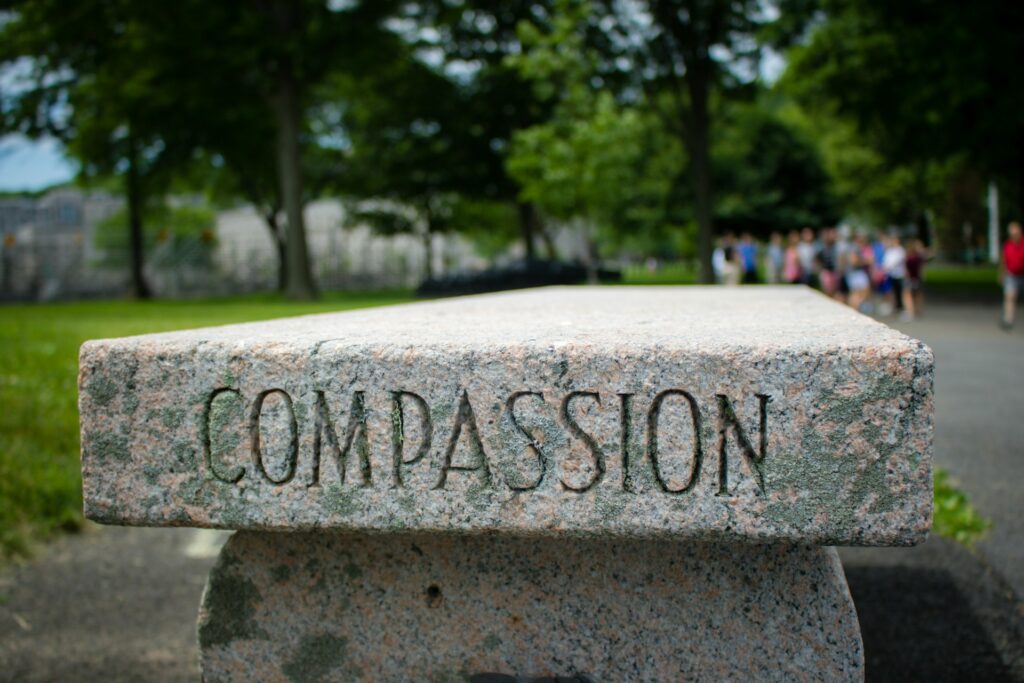
Photo by Jon Tyson on Unsplash
About Post Author