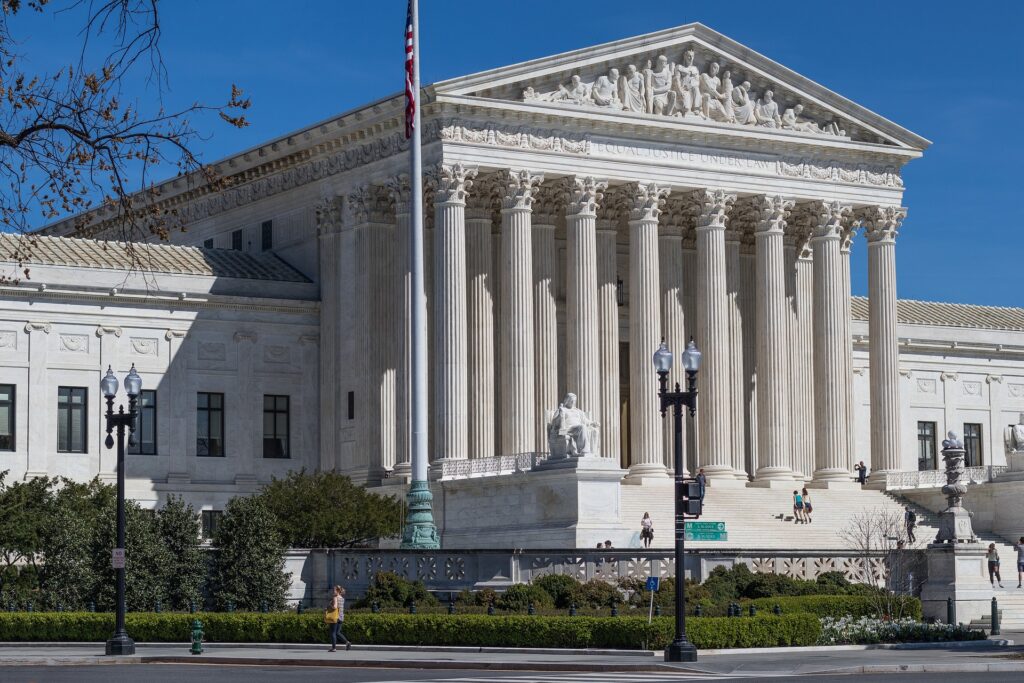
The Supreme Court Voting Rights Act ruling struck down Louisiana’s second majority-Black House district. The decision was announced on Wednesday, intensifying the long fight over fair representation. Justice Elena Kagan called it a now-complete demolition of the landmark law. She warned that the judgment narrows protections by allowing mapmakers to cite politics rather than race. Voting rights groups said the shift will ripple into the next redistricting cycle.
A 6-3 Majority Tosses a Second Majority-Black District
Justice Samuel Alito wrote the 6-3 opinion for the conservative bloc in Louisiana v. Callais. The ruling rejected a map with two majority-Black districts out of six seats. About one-third of Louisiana voters are Black, but the court still wiped the district away. Alito described the move as an update, not a rejection of the Voting Rights Act framework. Kagan countered that the practical effect matters more than the label.
Kagan’s Dissent Targets Section 2’s New Hurdles
Kagan’s dissent ran longer than the opinion, and she read parts from the bench. She said the court used strained text readings and new proof demands. Voting rights advocates said the Supreme Court’s ruling on the Voting Rights Act nearly guts Section 2. That section long helped voters of color challenge maps that dilute their power. Sophia Lin Lakin of the ACLU said Section 2 may become difficult, if not impossible, to enforce in most cases.
Representation Gains, and the Risk of Reversal
Civil rights experts fear the decision could reverse decades of progress in electing Black lawmakers. They expect the sharpest effects in the South, and they flagged risks for Black women. In 1980, one Black woman served in the House, and none served in the Senate. Now, 27 Black women serve in the House, and two serve in the Senate. Based on 2024 data, 148 House districts are majority-minority, and many concentrate women of color voters. Kagan noted Louisiana’s White electorate rarely backs Black-preferred candidates statewide, so districts can decide outcomes.
Partisan Lines, Supporters’ Claims, and Detractors’ Alarm
Kagan wrote that states can disenfranchise minority voters if intent does not look overtly racial. Danielle Lang said map drawers can diminish voters of color for partisan reasons, so the impact can mirror race-based harm. Rep. Terri Sewell argued the ruling invites suppression because Black voters largely back Democrats. Janai Nelson warned that several states could erase opportunity districts and push leadership backward. Supporters of the decision argue courts should not force race-centered map rules, but detractors fear minority voters will be stripped of power. The clash now heads into the 2026 midterms.
Supreme Court decision could undo decades of gains by Black women lawmakers
Photo by Phil Hearing on Unsplash
About Post Author