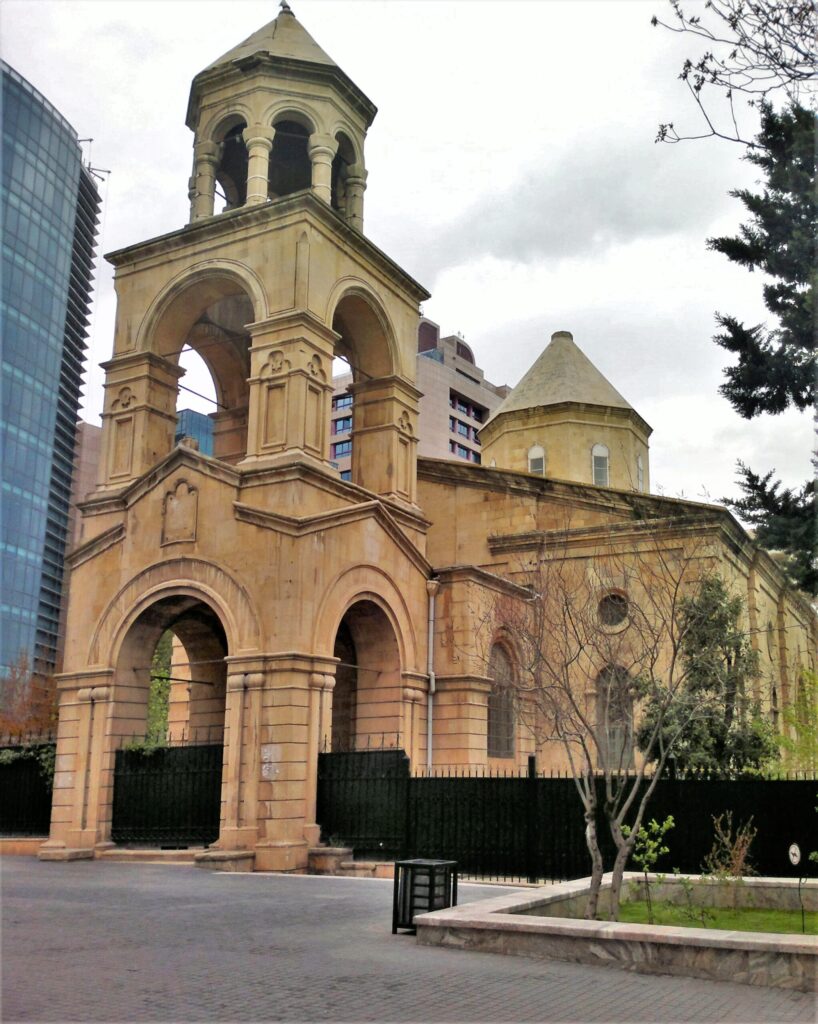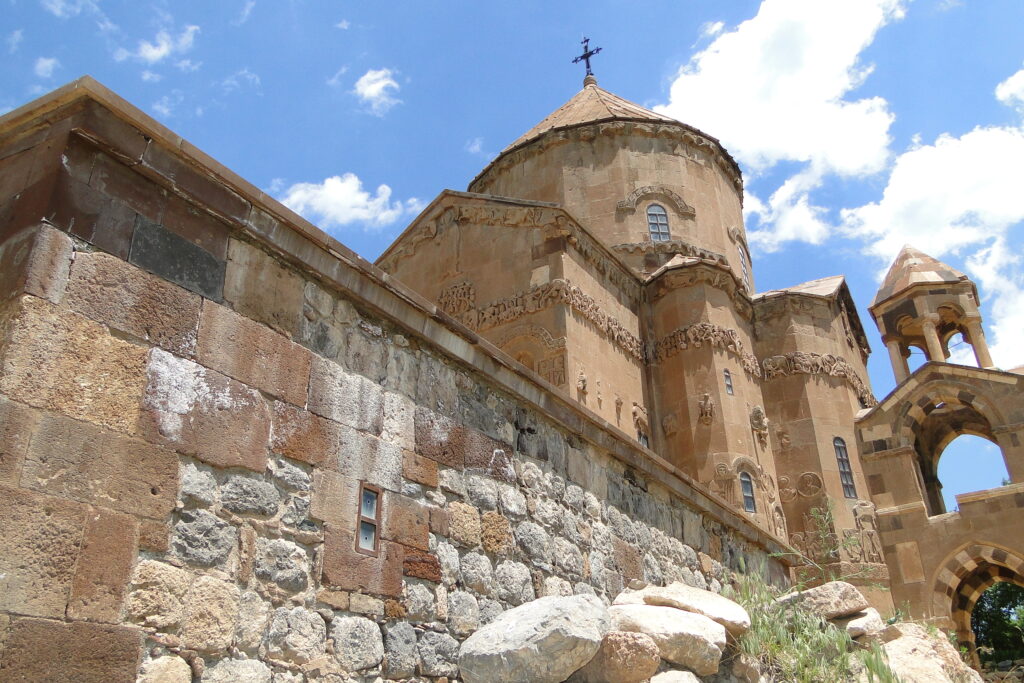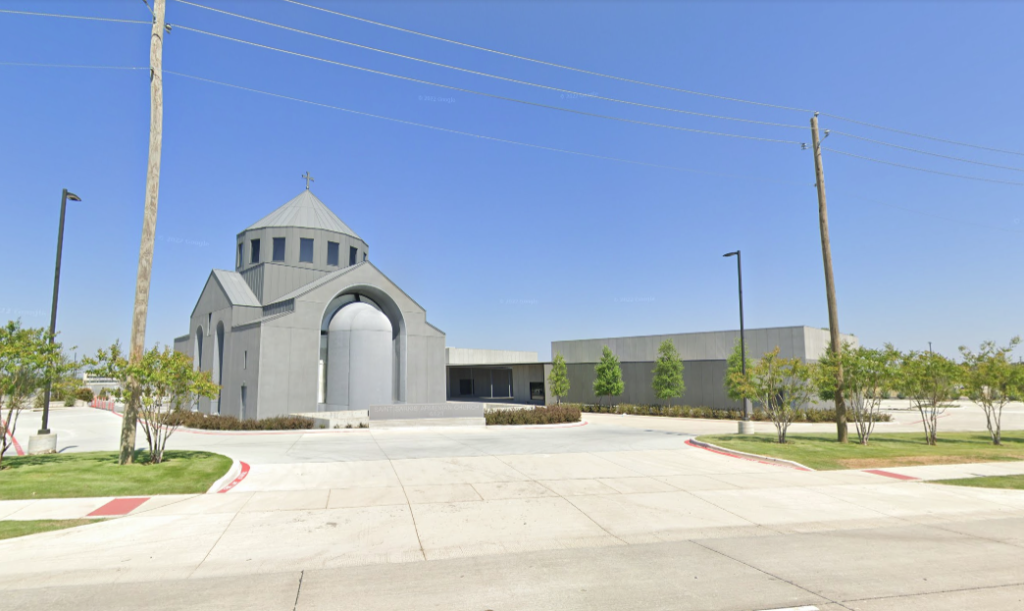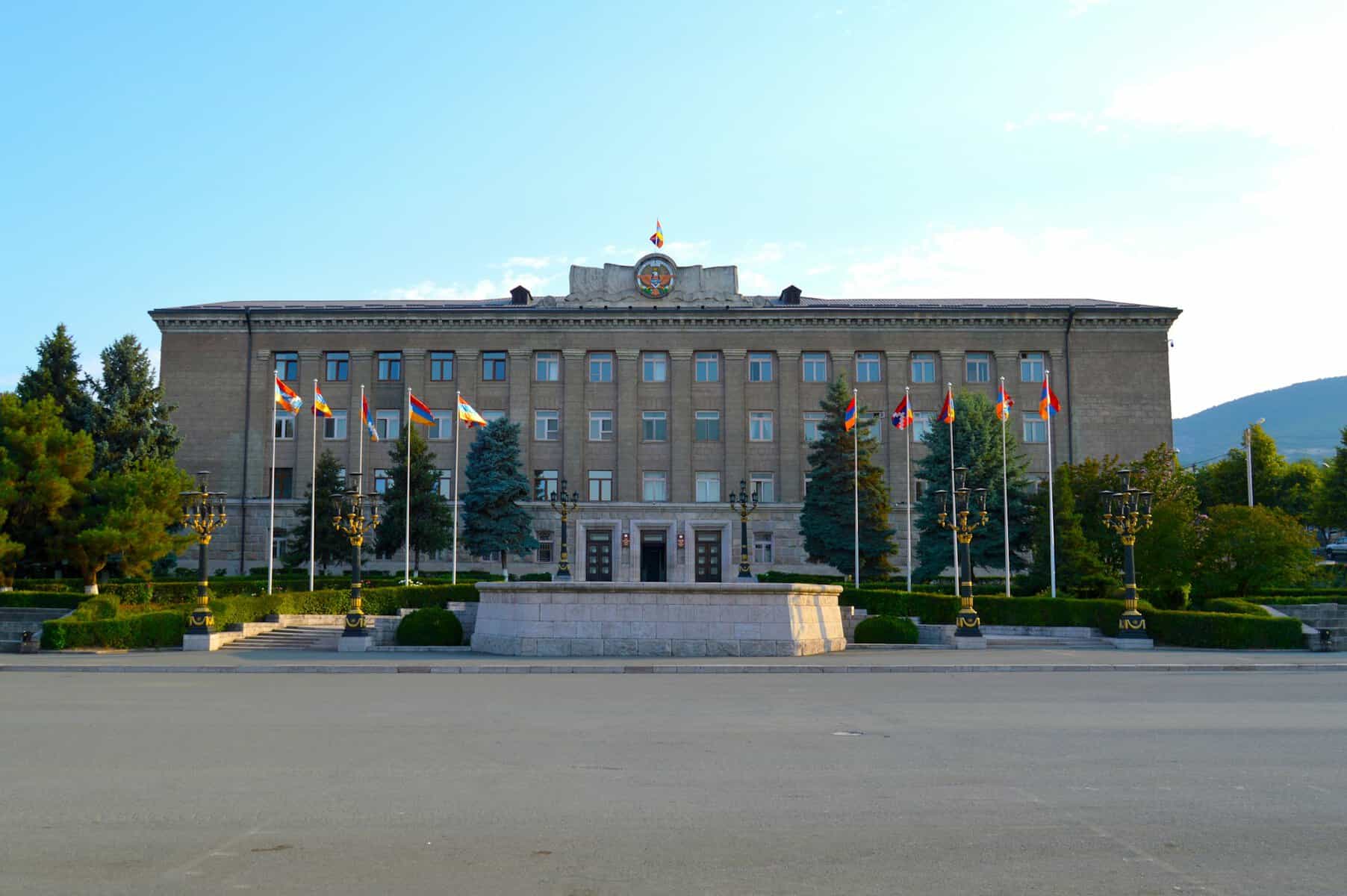
Reports say the Nagorno-Karabakh cathedral demolition took place in Stepanakert in early April. The Armenian Apostolic Church condemned the destruction of the Holy Mother of God Cathedral. Church leaders said Azerbaijan acted to erase Armenian heritage, and they urged action. Local outlets and activists called it another case of Armenian cathedral destruction. The Azerbaijan government offered no public explanation, but pro-government media hinted at retaliation.
War’s aftermath shadows the ruins
The dispute over Nagorno-Karabakh has simmered since the 1990s, and it flared again in 2023. Azerbaijan’s offensive ended the self-declared Republic of Artsakh and pushed the region under Baku’s control. More than 120,000 ethnic Armenians fled, and hundreds died. Armenian leaders and rights groups described the flight as ethnic cleansing, because communities emptied fast. Armenia, with about three million people, remains closely tied to its ancient national church.
Evidence and a broader pattern allegation
Armenian outlet Hetq said satellite imagery showed paving stones but no church structure, prompting other outlets to check the claim. The cathedral’s construction began in 2006 and ended with consecration in 2019. It served as a bomb shelter during the 2020 war, but it reportedly avoided major damage. Monument Watch also reported the demolition of the nearby Saint Jacob Church. Critics framed the reports of the Stepanakert cathedral’s razing as part of a systematic cultural erasure.
Church-state tensions complicate Armenia’s response
The demolition surfaced amid a confrontation between church leaders and Prime Minister Nikol Pashinyan’s government. Pashinyan recognized Azerbaijani sovereignty over the region in 2022 and said his focus remained on monuments inside Armenia. He later said officials sought more information, but he avoided internationalizing the issue. Prosecutors opened a case against Catholicos Karekin II in February and blocked travel tied to a bishops’ synod. Pashinyan also publicized a reform roadmap that called for Karekin II’s removal and tighter oversight.
Vatican links draw scrutiny and split reactions
Critics also targeted Vatican-Azerbaijan partnerships, citing deals with Vatican institutions and cultural events in Rome. Activists said those efforts reinforce narratives that rebrand Armenian sites, and they pointed again to Armenian cathedral destruction claims. Supporters of the Armenian Apostolic Church warn that inaction invites further losses and demand international pressure. Detractors argue that Armenia must act cautiously, but they fear that cultural disputes could derail fragile diplomacy.
Armenian cathedral demolished in disputed region
Photo by Robert Levonyan on Unsplash
About Post Author