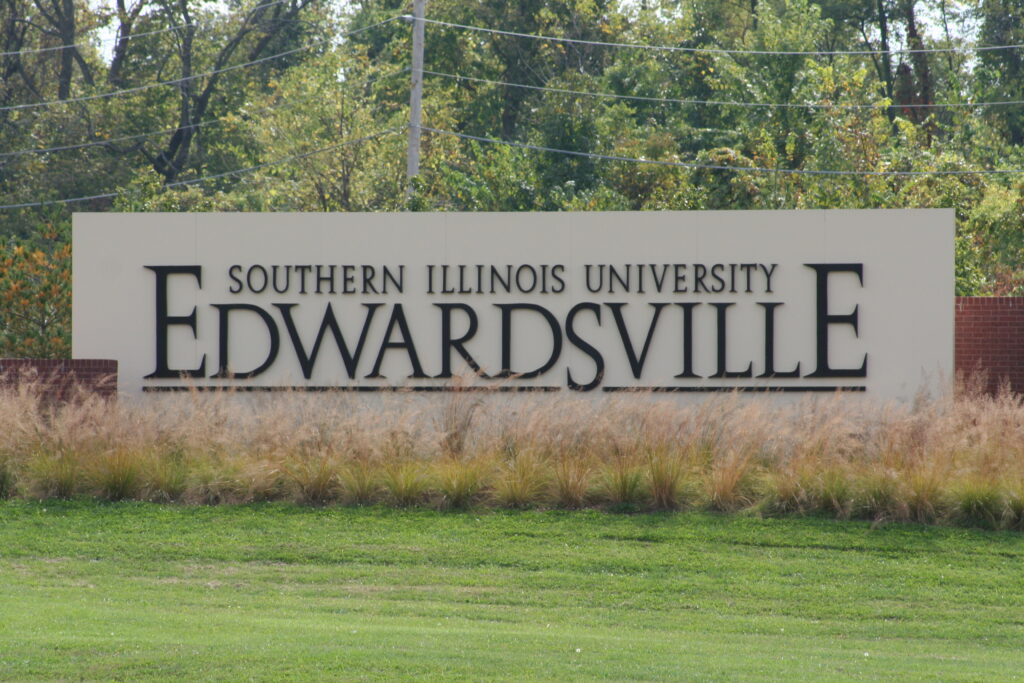
A recent analysis of student demographics reveals significant cultural and religious differences between elite universities and regional public institutions. Using data from the Foundation for Individual Rights and Expression (FIRE), the study compares Harvard and Yale with Southern Illinois University–Edwardsville (SIU-E), highlighting gaps in legacy admissions, religious identification, and institutional accessibility.
Legacy Admissions Underscore Elitism
Legacy admissions remain a hallmark of elite universities. At Harvard, 33% of students are legacies, compared to just 6% among non-legacies. In contrast, institutions like Eastern Illinois University (EIU) and SIU-E do not emphasize legacy status, reflecting their open-access missions. This disparity raises concerns about fairness and representation, with critics arguing that legacy admissions perpetuate privilege. Supporters of the practice, however, claim it fosters alumni loyalty and institutional tradition.
Stark Religious Contrasts Between Institutions
FIRE’s data shows elite universities have a more diverse religious landscape. Protestants comprise just 25% of the student body at Harvard and Yale, compared to 38% at SIU-E. Catholic students are more prevalent at elite schools (18%) than at SIU-E (9%), likely due to geographic and demographic patterns. Non-Christian groups such as Jews, Muslims, and Hindus are also more prominent at elite institutions, reflecting broader global recruitment and urban populations.
Surprising Parity Among the Nonreligious
One unexpected finding is the nearly identical share of nonreligious students across institutions. Atheists and agnostics represent 28% of students at both elite and regional schools. Those claiming no religion in particular account for 17% at Harvard and Yale, and 15% at SIU-E. This challenges assumptions that secularism is more dominant at elite institutions, suggesting broader generational shifts in religious affiliation.
Selectivity Doesn’t Radically Alter Religious Composition
When expanding the analysis to include 54 selective schools (with acceptance rates below 30%), the results show minimal religious variation between selective and non-selective schools. Protestant, Catholic, Muslim, and Buddhist shares remain nearly identical. Only two categories diverge: students identifying simply as “Christian” (21% at non-selective vs. 11% at selective schools), and Jewish students (7% at selective vs. 3% at non-selective schools). These gaps underscore cultural distinctions shaped by geography, tradition, and institutional reach.
Source:
How Weird is The Religious Composition of Harvard’s Student Body
Photo by Noah Holm on Unsplash
About Post Author