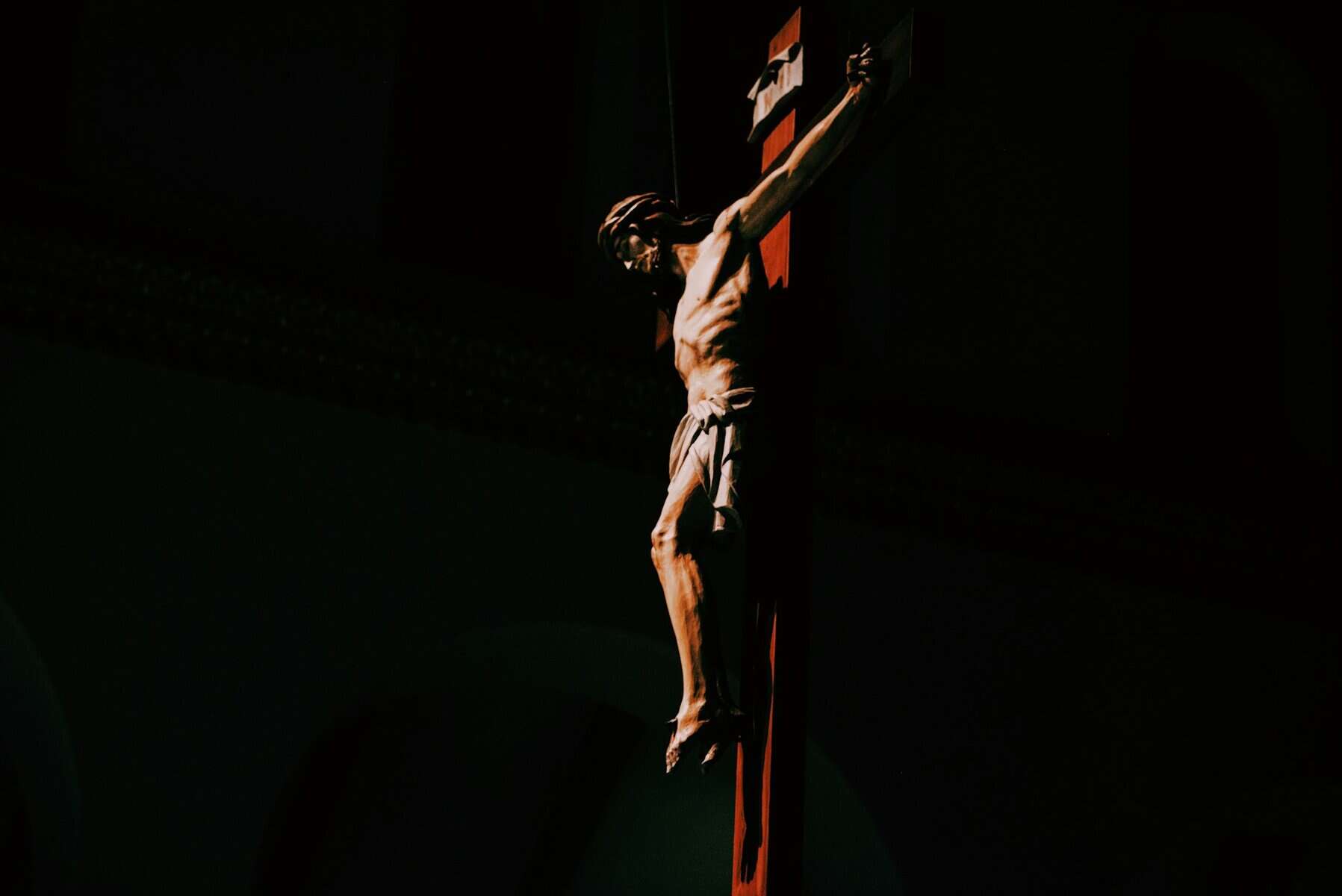
The discovery of Yehohanan’s remains in 1968 provided the first and only physical evidence of crucifixion in antiquity. Although tens of thousands were crucified during the Roman Empire, no skeletal proof had ever been found—until archaeologist Vassilios Tzaferis unearthed a Jewish tomb in Giv‘at ha-Mivtar, northeast of Jerusalem. Among the ossuaries, or bone boxes, one contained the bones of a man who had been crucified: Yehohanan, son of Hagakol. This find revolutionized the understanding of Roman crucifixion methods.
Burial Context Reveals Social Status and Burial Practices
The tomb belonged to a wealthy Jewish family of the Second Temple period. Carved from limestone, it featured two chambers and twelve burial niches. Ossuaries found within contained bones of 17 individuals, including children, adults, and one crucified man. Inscriptions identified family members, such as “Simon, builder of the Temple” and “Yehonathan the potter.” The use of ossuaries reflected both religious belief in resurrection and practical reuse of tomb space. Though affluent, the family suffered multiple early deaths, suggesting hardship despite wealth.
Forensic Analysis Reconstructs Yehohanan’s Execution
Yehohanan was in his mid-to-late twenties and stood about 5’6” tall. A nail pierced both of his heel bones, preserved only because it bent against a knot in the olive wood of the cross. A wooden plaque between the nail and his feet further confirmed Roman technique. A deliberate blow shattered his right shinbone, likely intended to hasten death, supporting Gospel accounts of broken legs to allow burial before nightfall. Scratches on his arm bones indicated nails driven between the forearm bones, not through the hands.
Crucifixion Position Revealed in Bone Damage
Experts reconstructed Yehohanan’s position: legs bent at 60–65°, knees flexed, feet nailed together, and buttocks supported by a small seat (sedile) on the upright. His arms were stretched and nailed above the wrists. This unnatural posture caused immense agony and slow asphyxiation, which was typical in Roman crucifixions. The precise positioning matched descriptions in historical sources and illuminated Palestinian variations in crucifixion—specifically, the breaking of legs to expedite death.
Supporters Hail Discovery; Critics Question Broader Implications
Archaeologists and biblical scholars praised the find for providing unprecedented physical proof of crucifixion. It offered new insights into Roman execution practices and validated certain historical and scriptural accounts. However, detractors argue that a single example is insufficient to generalize about crucifixion practices across the empire. Others caution against drawing conclusions about Jesus’ death specifically from the discovery, as the context and circumstances likely differed.
Source:
A Tomb in Jerusalem Reveals the History of Crucifixion and Roman Crucifixion Methods
Photo by Gianna B on Unsplash
About Post Author