Evangelical Roots of Dexter Avenue Baptist Church
Dexter Avenue Baptist Church, later renamed Dexter Avenue King Memorial Baptist Church, played a pivotal role in American history. Its roots trace back to the evangelical tradition of the antebellum South, beginning with enslaved preacher Caesar Blackwell during the Second Great Awakening. Revival fervor in Montgomery brought together both white and Black worshippers, though this unity stood in stark contrast to the realities of slavery and racial oppression.
Founding an Independent Black Church
Black converts first gathered under supervision in the basement of Montgomery’s First Baptist Church. After the Civil War, emancipation inspired hopes of equality, but white church leaders upheld racial hierarchy. In 1867, freed congregants established Montgomery’s first independent Black Baptist church. A decade later, members formed Dexter Avenue Baptist Church, with Charles Octavius Boothe as its first pastor. Boothe embodied evangelical zeal, combining gospel proclamation with efforts to uplift Black communities through education and mission work. His leadership symbolized a larger trend among African American churches to assert independence and shape their own spiritual and institutional paths.
Theological Tensions in the 20th Century
Into the 20th century, Dexter’s ministry reflected both evangelical commitments and the Social Gospel. While fundamentalists prioritized doctrinal purity, they largely ignored racial injustice. Many Black churches, including Dexter, rejected that stance while maintaining biblical orthodoxy. Ministers trained at Virginia Union University carried both traditions, preaching Scripture while advocating racial equality. Their work highlighted the belief that faithfulness to the gospel required both evangelism and social transformation, not one without the other.
Civil Rights and Evangelical Divides
Pastors Vernon Johns and Martin Luther King Jr. emphasized that faith must confront systemic racism. They drew from Dexter’s evangelical heritage while aligning with the Social Gospel to inspire civil rights activism. However, white evangelical groups often avoided involvement, with the National Association of Evangelicals rejecting calls to march alongside Black clergy. This reluctance deepened divisions, leading many African American Christians to distance themselves from the evangelical label. Supporters of the movement stressed gospel-centered justice, while detractors criticized evangelical silence on racial oppression.
Legacy and Present Identity
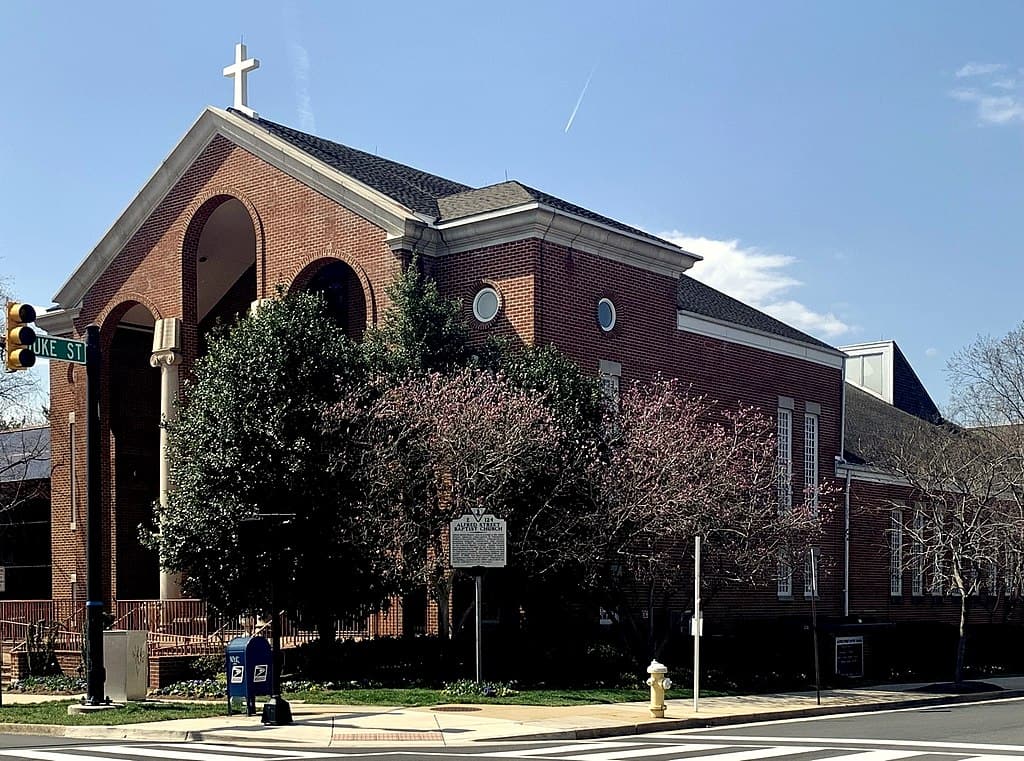
Though many Black Christians affirm biblical authority and evangelical beliefs, they rarely identify as evangelicals due to the movement’s racial and political associations. Dexter Avenue Baptist remains active today, affiliated with the Progressive National Baptist Convention and committed to Scripture, evangelism, and social justice. Its history illustrates the tension between evangelical roots and a contemporary identity shaped by struggles for racial equity.
Source:
Why Many Black Christians Reject the Evangelical and Mainline Labels
Photo by John Cardamone on Unsplash
About Post Author