After nearly four decades of advocacy, The United Methodist Church (UMC) has amended its constitution to include gender and ability among characteristics that cannot disqualify someone from church membership. This change, known as the “inclusion amendment,” passed with an overwhelming 92% approval from voters at the annual conference worldwide.
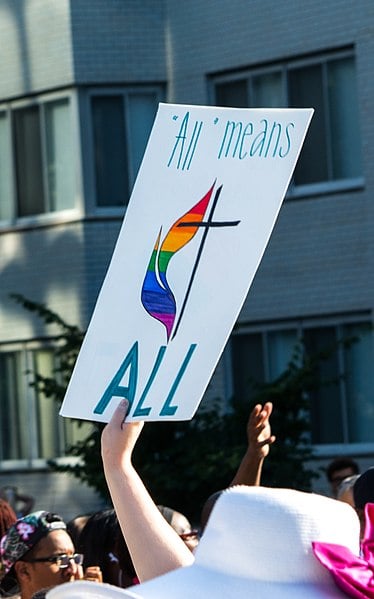
The amendment ensures that pastors may not deny membership based on gender identity or disability. Advocates, including the Commission on the Status and Role of Women and the Disability Ministries Committee, celebrated the move as a milestone toward full inclusion.
Trans and nonbinary members also welcomed the amendment as a rare affirmation of their worth and dignity within a faith institution. Supporters say it aligns with Christian teachings of grace and justice. However, critics fear that such changes could deepen divisions within the denomination, especially among more conservative congregations.
UMC Deepens Commitment to Anti-Racism
A second ratified amendment revised Article V to denounce racism, white supremacy, and colonialism clearly. With 91.9% support, this update moves the church’s anti-racism stance from passive acknowledgment to active confrontation.
The amendment calls for the eradication of systemic racism within the church and society. It also commits UMC to dismantling white privilege and oppressive systems. Supporters view this as a powerful theological statement aligned with the Gospel. Opponents argue the language may be too political and divisive for a global denomination.
More explicit Rules for Clergy Delegate Elections
A third amendment to Paragraph 35 clarifies who may vote for clergy delegates at General Conference and jurisdictional or regional conferences. Licensed local pastors must now meet specific educational and service requirements to qualify.
The measure passed with 92.4% support. Proponents say it ensures consistency, equity, and denominational integrity. Some critics, however, fear it may marginalize clergy from less-resourced regions. Others express concern about limiting local decision-making in pastoral representation.
Regionalization Moves Forward
All four ballots, including one for regionalization, passed the required thresholds. This marks a significant shift toward honoring cultural and contextual diversity across UMC’s global membership. Supporters describe it as a step toward a more flexible and inclusive church. Detractors worry it could lead to fragmentation and weaken unified governance.
Source:
Church strengthens stands on inclusion, racism
Photo by Chad Nathan on Unsplash
About Post Author