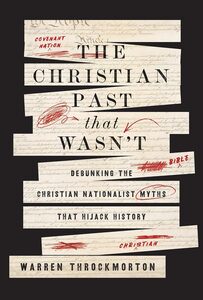
Christian nationalist myths are drawing sharper scrutiny as Texas Lt. Gov. Dan Patrick claims America was founded as a Christian nation. Warren Throckmorton, a retired psychology professor and author of The Christian Past That Wasn’t, challenges that view directly. He argues that Christian nationalists blur faith and nation, so patriotism becomes tied to doctrine.
Patrick recently called church-state separation “the biggest lie” told since America’s founding. That statement reflects a broader political push, and it has gained traction through federal commissions and state laws. Measures involving Ten Commandments displays, abortion restrictions, and anti-Muslim policies often carry a Christian nationalist framing.
Fear, Power, and a Rewritten Founding
Throckmorton says fear and political power drive much of the movement. He writes that Donald Trump appealed to white evangelicals because he promised to defend them against perceived enemies. That promise made political power central to Christian nationalism.
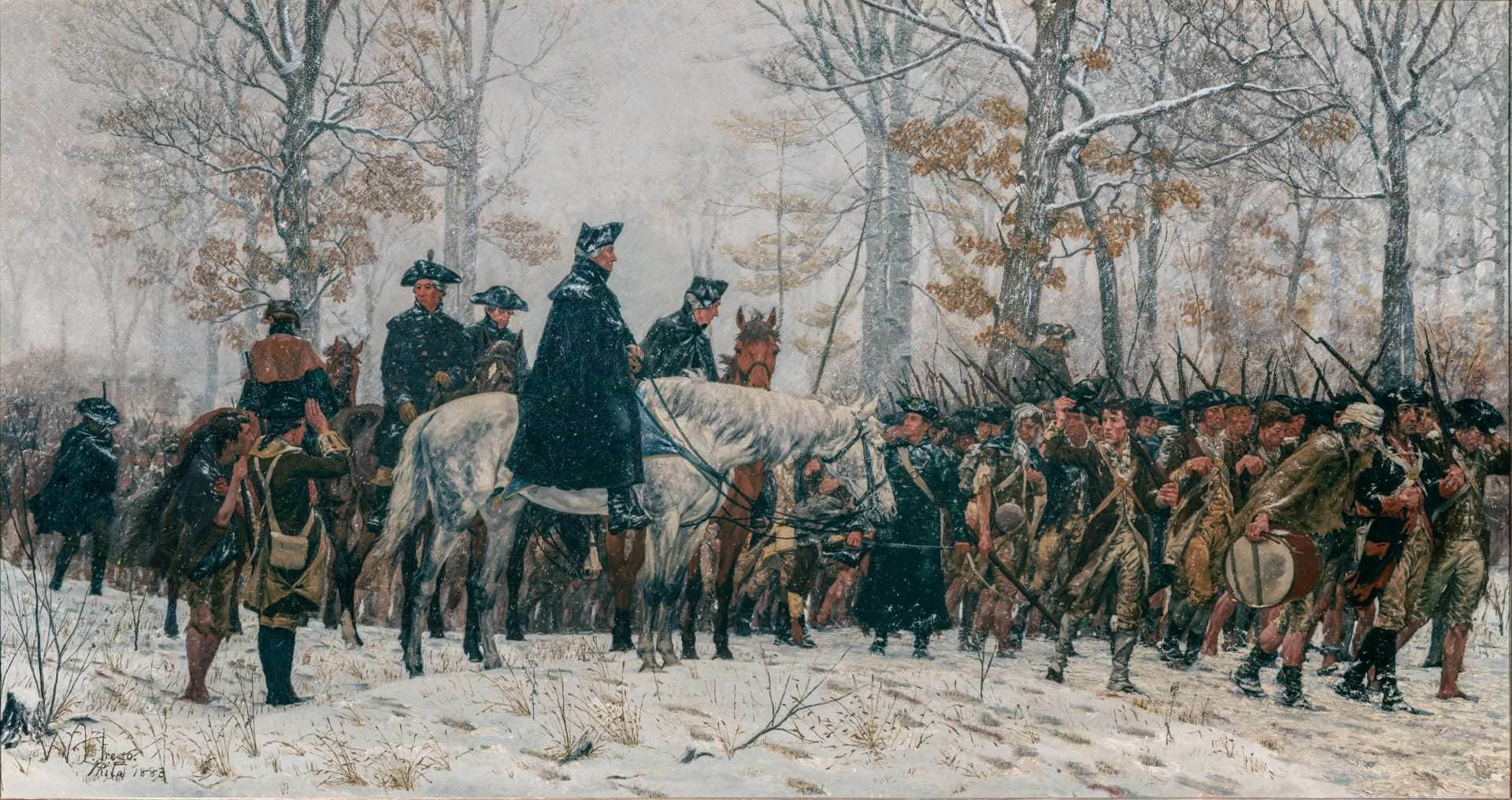
The effort did not begin with Trump. After the Founders died, some Americans recast the founding as more explicitly Christian. They added religious meaning to founding-era events, and they treated selective quotes as proof of divine intent.
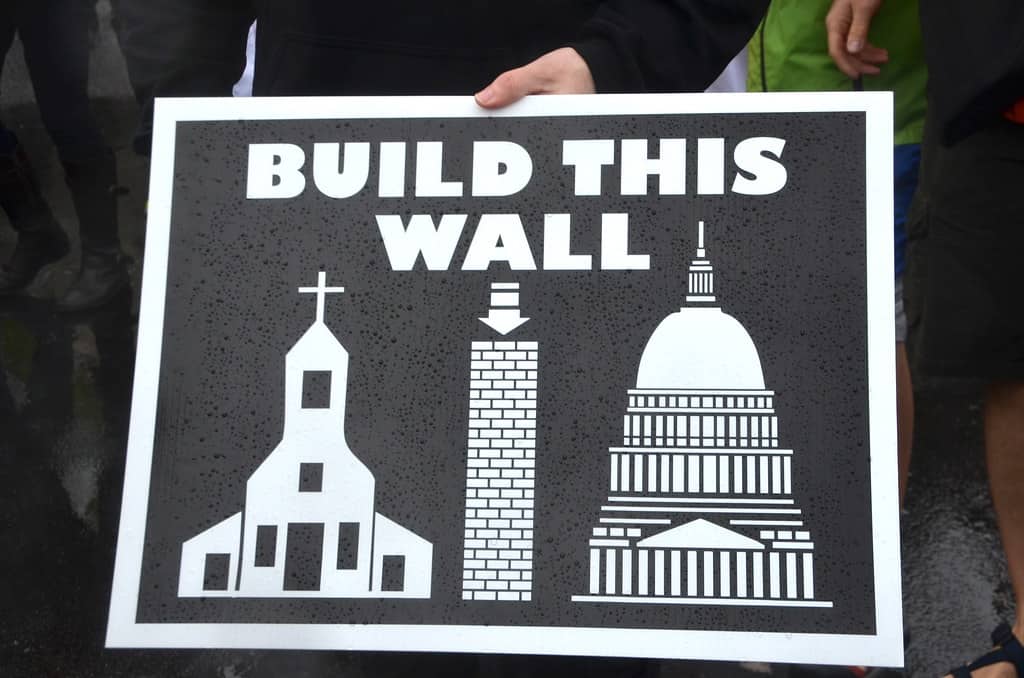
Revisionist historian David Barton stands at the center of that effort. He argues that Thomas Jefferson’s “wall of separation” supported Christian influence over government. Throckmorton rejects that claim and says Jefferson clearly defended church-state separation in his letter to the Danbury Baptists.
The Constitution Tells a Different Story
Throckmorton points to the Constitution as the strongest evidence against Christian nationalist myths. Many Founders held religious beliefs, but they created a Constitution that does not mention God. They also banned religious tests for public office.
Virginia’s 1786 religious freedom statute helped push the country away from established churches. By 1833, state churches had been disestablished. That trend moved against official religion, not toward it.
Supporters and Detractors Clash Over the Stakes
Supporters of Christian nationalism say America’s identity depends on acknowledging Christian roots. They view church-state separation as overstated, and they see public Christianity as a corrective force.
Detractors warn that the movement threatens the Bill of Rights. Throckmorton says claims of religious supremacy directly endanger First Amendment freedoms. Christian nationalist myths, he argues, do not protect faith; they reshape history to justify power.
Author debunks America’s ‘Christian past that wasn’t’
About Post Author