Iowa Roots and a Split Sense of Belonging
Raised in Iowa, Kristin T. Lee grew up in an Asian immigrant evangelical church and white evangelical culture. We Mend with Gold traces an immigrant daughter’s reckoning with American Christianity, and it spotlights a Kintsugi faith that names wounds. She describes a disconnect between her Chinese American identity and American evangelicalism, so she searches for belonging. She keeps returning to faith, culture, and community because each one shapes the others.
Kintsugi Faith and the Beauty of Fractures
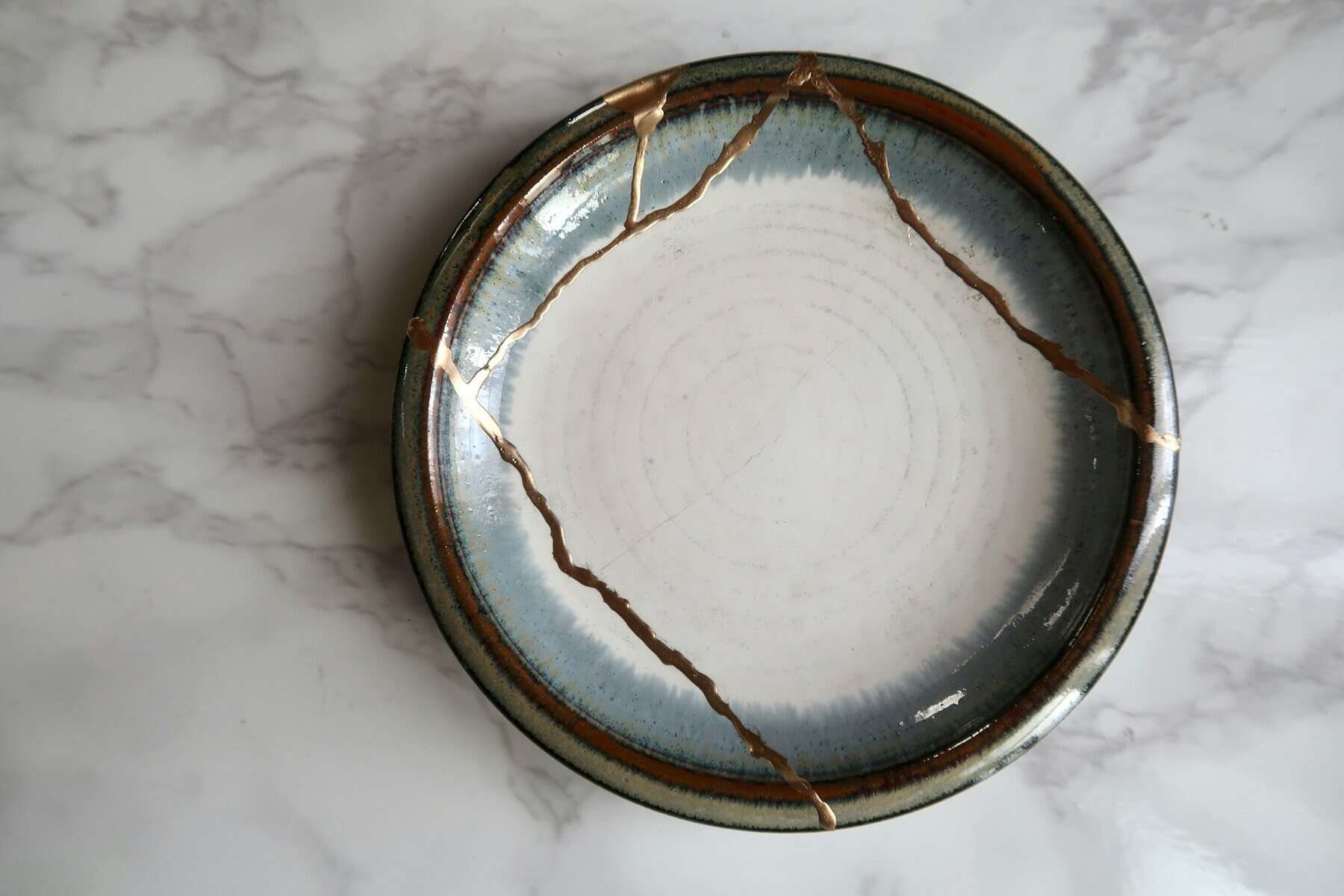
Lee uses Kintsugi, the Japanese art of mending pottery with gold, as a guiding metaphor. She says fractures shape us because communities often minimize suffering. She links those breaks to family life, faith formation, and histories tied to countries of origin, but she refuses to hide them. She argues that honest repair can become testimony and deepen compassion.
Neighbor Love and Solidarity Beyond Comfort
Lee points to the Good Samaritan when she talks about being a neighbor. She recalls tight-knit support in the Chinese church and Midwestern hospitality from mostly white neighbors. But the parable challenges easy boundaries, because respected religious figures passed by while a despised Samaritan helped. Lee says that the story fuels solidarity with the marginalized and also demands care for those with whom she politically disagrees. She frames neighbor love as costly, practical, and public.
Model Minority Pressures and Western Supremacy
Lee says many immigrant churches reward “model minority” behavior, even when it goes unspoken. Kids get praised for achievement, obedience, and conformity because parents want the stability they lacked. Lee remembers being celebrated for academic success, but she says that can warp what people think God values. She also warns that Western-centric theology can feel like the only option, and that can lead Asian American Christians to absorb Western supremacy. She points to ancient non-Western traditions to show Christianity has always been diverse.
Reclaiming Culture and Debating the Path Forward
Lee urges openness to Eastern philosophies and Asian traditions alongside Christian faith. She describes learning suspicion of non-Western practices, which made her feel ashamed to be Asian. She says embodied or contemplative practices can nourish faith when one prescribed method fails. She learns from Asian American Christians and from Asians in Asia, and she studies how practices like meditation center the soul. Supporters may welcome We Mend with Gold as a healing reckoning by an immigrant daughter with American Christianity and a fuller Kintsugi faith. Detractors may worry that such borrowing risks syncretism and weakens familiar evangelical boundaries.
How one Chinese American healed from growing up in Western evangelicalism
Photo by Riho Kitagawa on Unsplash
About Post Author