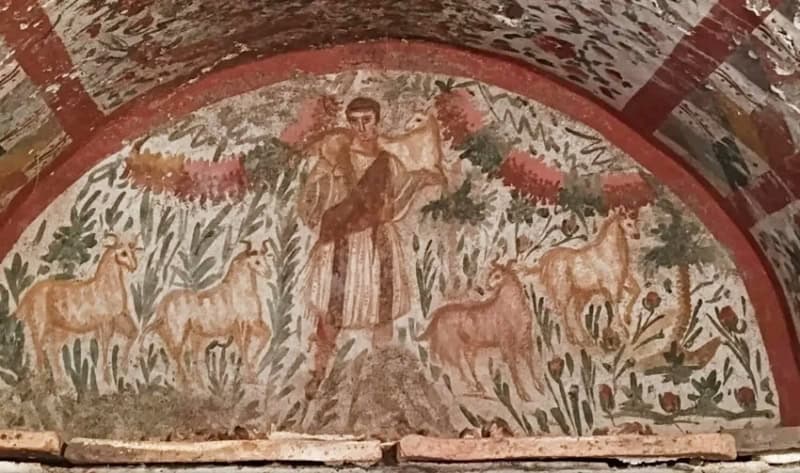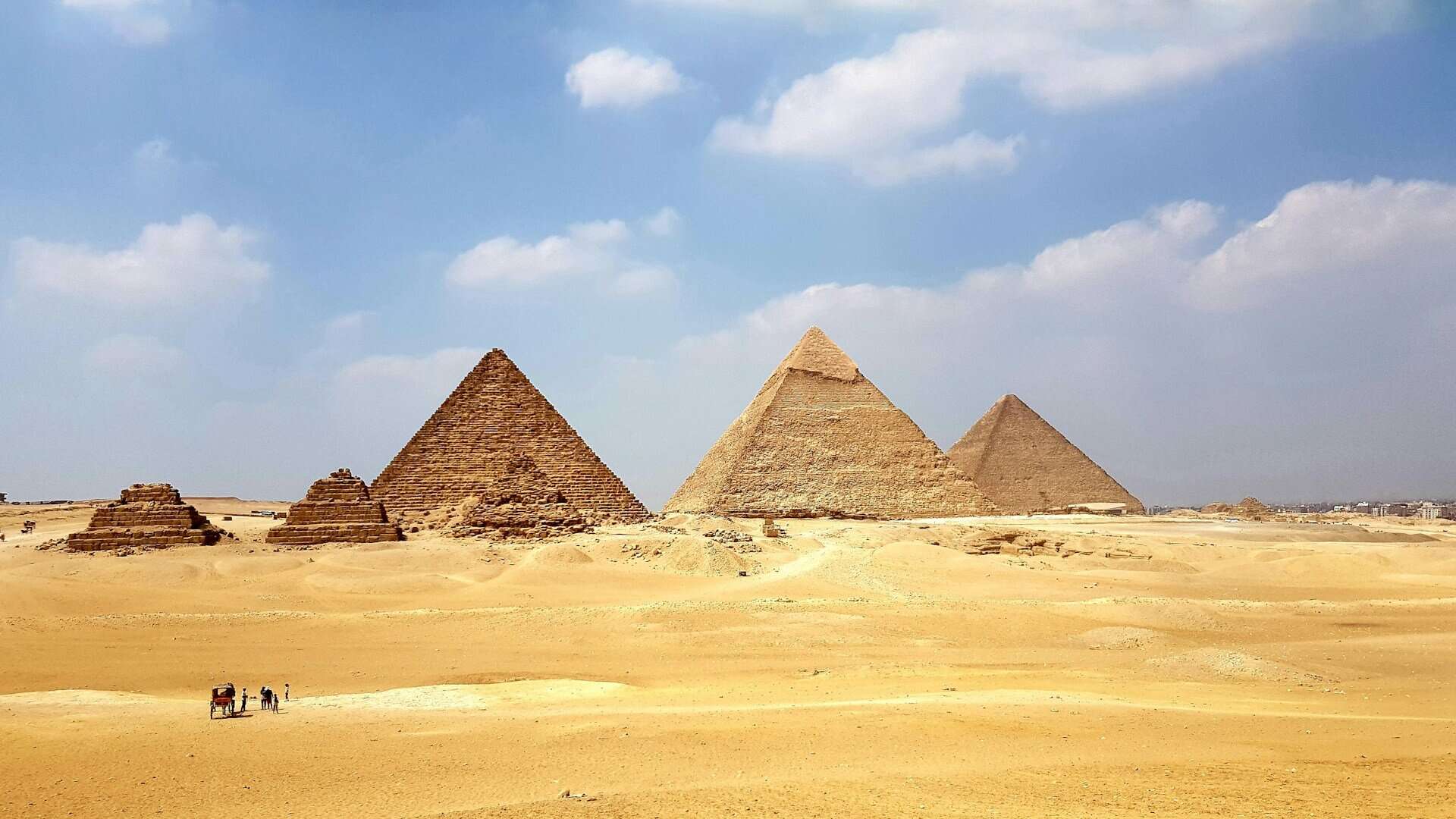
Egyptian archaeologists have uncovered a 1,600-year-old mural of Jesus Christ healing the sick in Kharga Oasis. The find was made within the ruins of two early churches discovered in July. Egypt’s Ministry of Tourism and Antiquities has withheld images of the mural to safeguard its fragile condition. Officials stressed that exposure to the environment could accelerate damage if not handled with care.
Two Churches Provide Glimpse into Early Christian Worship
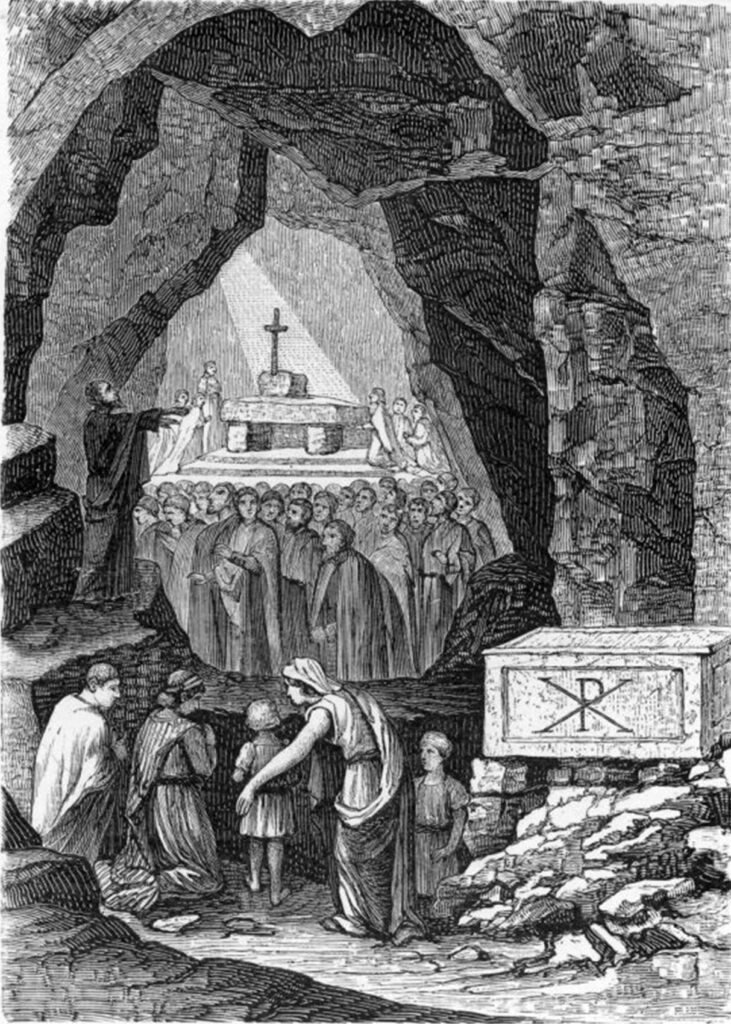
Researchers have revealed that the site was once a thriving town that relied on underground water. One church, a large basilica, was built of mudbrick and included a spacious hall with two aisles. The second, smaller church had a rectangular plan and was surrounded by the remnants of seven columns. Excavations also uncovered mud-brick homes, cemeteries, storage jars, and everyday objects. These finds illustrate daily life and faith practices from the 4th to 7th centuries A.D.
Egypt’s Role in the Spread of Christianity
Historians highlight the discovery as evidence of Christianity’s deep roots in Africa. Although many assume Christianity spread from Europe, the faith flourished early in Egypt, Nubia, and Ethiopia. Biblical tradition recounts Egypt as a refuge for Jesus during his youth. By the 4th century, Egypt’s deserts had fostered Christian monasticism through leaders like St. Anthony the Great. Their ascetic practices later influenced Christian traditions across Europe.
Ethiopian Links to Early Christianity
The find also draws attention to Ethiopia’s enduring Christian heritage. In the 4th century, King Ezana of Aksum converted, establishing the Ethiopian Orthodox Church. This church preserved unique texts and rituals, including the Ge’ez Bible, one of the oldest translations of scripture. Scholars see these connections as proof of Africa’s foundational role in shaping global Christianity.
Support and Skepticism Surround the Discovery
Supporters argue the mural reinforces Africa’s importance in Christian history and heritage preservation. They view the discovery as an opportunity to deepen their cultural identity and attract global interest. Some caution that withholding images may hinder scholarly review and limit transparency. Others question whether Egypt is equipped to protect such delicate artifacts in the long term.
Source:
Africa’s early affiliation with Christianity highlighted by a mural of Jesus Christ
Photo by Osama Elsayed on Unsplash
About Post Author