Crafting for the Popes
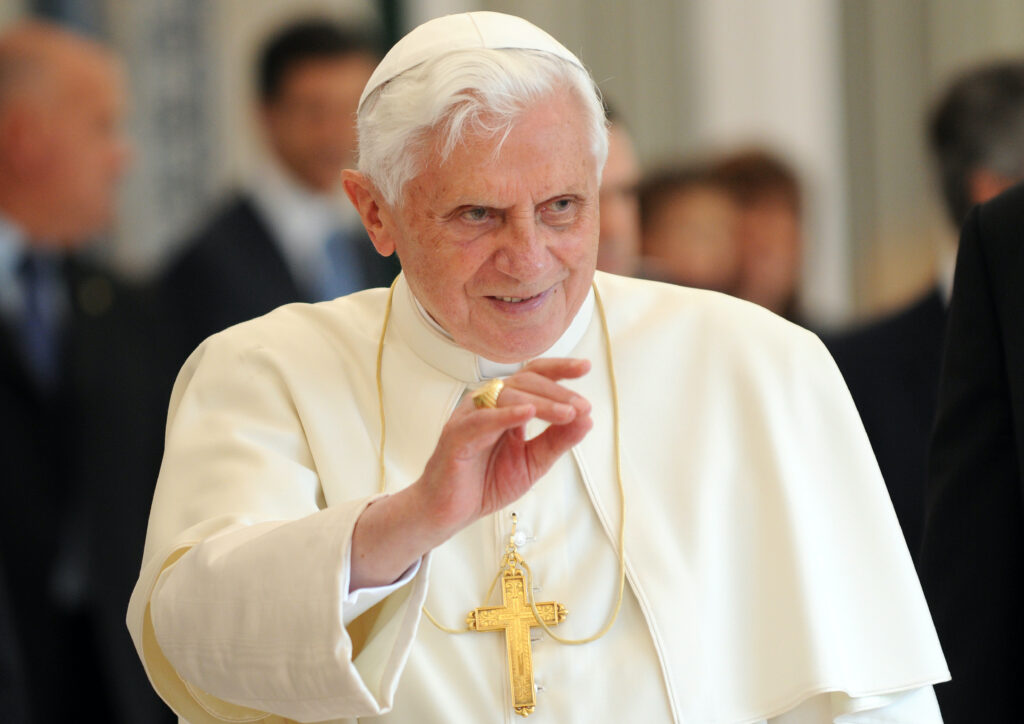
Mexican artisan Hilario Hernández never imagined his clay work would take him to the Vatican. In 2008, he was invited to deliver a handcrafted Tree of Life to Pope Benedict XVI. The intricate ceramic piece was too fragile to ship, so Hernández brought it himself. In 2016, he created a second tree for Pope Francis, commissioned by the President of Mexico. That meeting, he said, reaffirmed his life’s purpose and spiritual connection to his craft.
The Heart of Metepec’s Identity
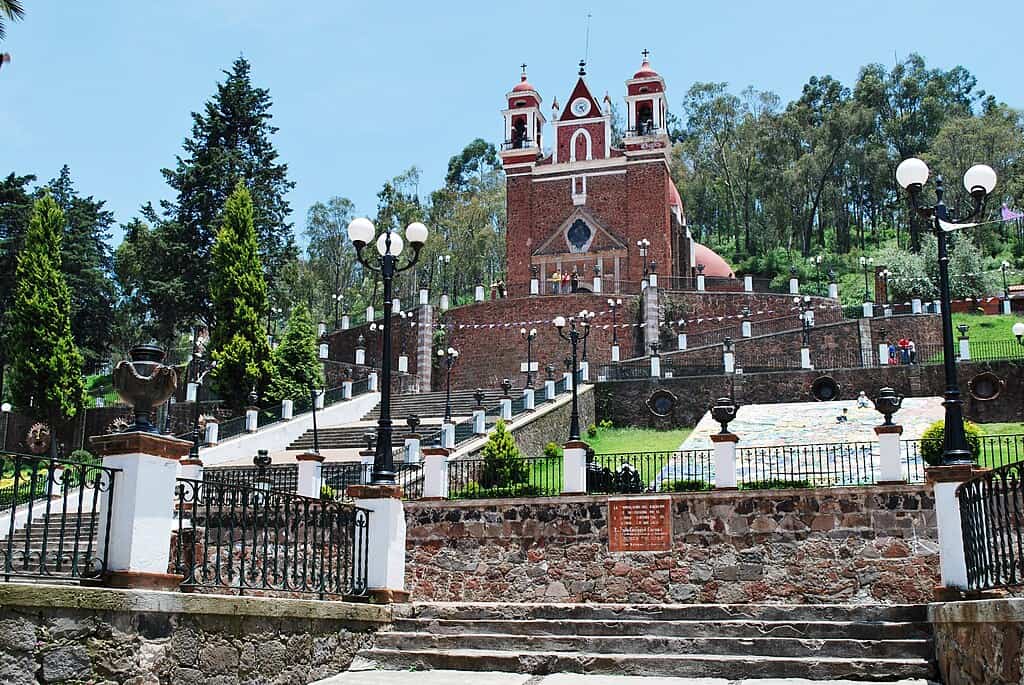
Hernández hails from Metepec, a town southwest of Mexico City, renowned for its Trees of Life. These decorative clay sculptures often depict biblical and cultural scenes. Common figures include Adam and Eve, Catrinas from Day of the Dead traditions, and Xoloitzcuintles, sacred dogs in Nahua culture. Local artisans see these trees as cultural emblems. “It’s become part of the town’s identity and charm,” said Carolina Ramírez, a guide at Metepec’s Clay Museum.
Generations of Clay Knowledge
The Hernández family has crafted ceramics for five generations. Hilario mentors his four brothers, all of whom trained in technical fields but chose to work with clay instead. Each sibling contributes different skills—shaping, assembling, or painting. “This workshop was my playground,” said Luis, who began working at age 12. Another artisan, Cecilio Sánchez, has kept his family’s tradition alive using natural pigments and ancestral techniques.
Myth and Meaning in Clay
Each Tree of Life tells a story. Hilario’s tree for Benedict took six months to complete and featured dual sides: one honoring saints, the other Metepec’s folklore. Among the local myths is the Tlanchana, a water deity now depicted as a mermaid rather than a serpent due to Catholic symbolism. These evolving figures illustrate how artisans strike a balance between tradition and religious influence.
A Symbol of Faith and Heritage
Meeting two popes deepened Hilario’s commitment to his art. Crafting the trees is not just a livelihood but a spiritual and cultural mission. “It’s how we make a living, but it’s also how we keep our culture alive,” he said. Supporters hail the craft as a form of cultural preservation. Critics, however, worry that tourism and commercialization may dilute its sacred origins.
Source:
Mexican artisans turn clay into Trees of Life that are celebrated worldwide
Image: WIkimedia Commons
About Post Author