Vice President JD Vance has challenged the traditional understanding of American identity by emphasizing ancestry, cultural heritage and historical roots over shared democratic principles. Speaking at the Claremont Institute, Vance argued that Americans descended from Revolutionary War and Civil War participants possess stronger claims to the nation than certain contemporary political opponents. His remarks reflect ideas associated with the heritage Americans movement, which emphasizes cultural continuity and ancestral connections in defining national belonging. Critics argue that this perspective threatens the American tradition of citizenship based on shared constitutional ideals. The controversy also intersects with debates over birthright citizenship, immigration restrictions and the political participation of Muslim Americans. These disagreements raise fundamental questions about whether American identity rests primarily on ancestry or common civic commitments.
Heritage Americans Movement Reflects Historical Patterns of Nativism
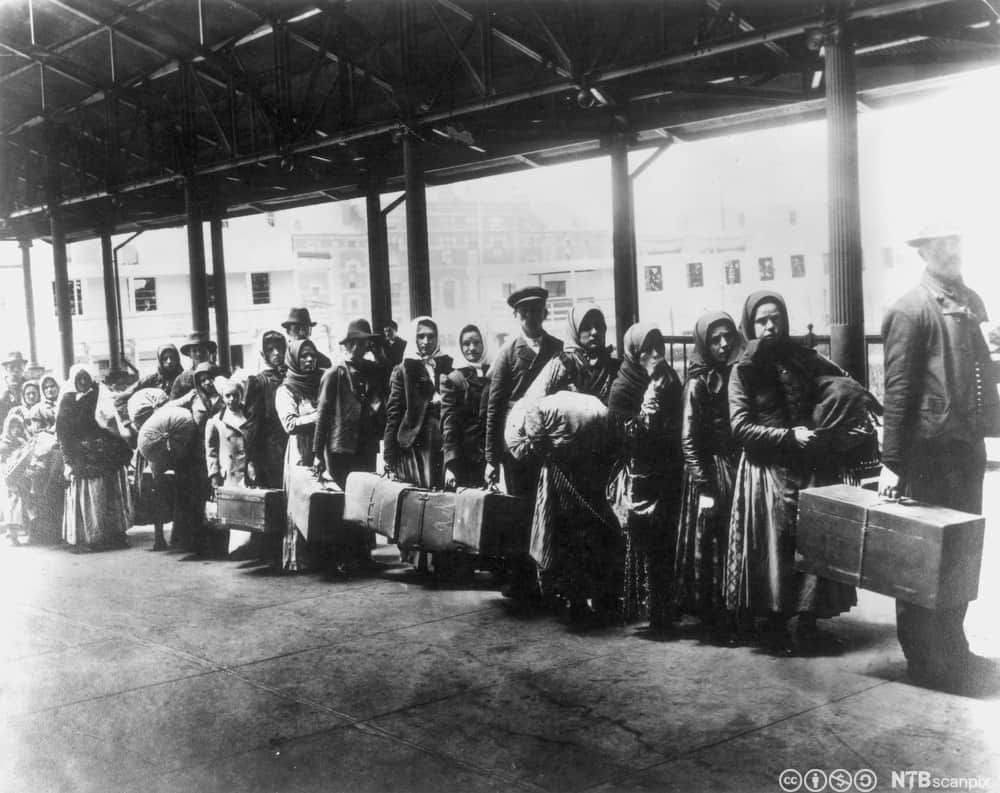
The heritage Americans movement resembles earlier periods of American nativism, when immigration and demographic changes prompted resistance from established populations. During the 19th century, nativist movements opposed Irish Catholics and later targeted Italian, Eastern European and Jewish immigrants. Similar arguments about protecting cultural identity emerged among Confederate defenders of Southern institutions, including slavery. Historian David Lowenthal distinguished heritage from history, arguing that heritage selectively interprets the past to reinforce contemporary identities. While ethnic traditions and ancestral connections can strengthen communities, critics warn that selective historical narratives can obscure injustice. Celebrating American pioneers without acknowledging Indigenous displacement, for example, produces an incomplete account of national development.
American Founding Principles Offer an Alternative Vision of Citizenship
American historian John Fea argues that the nation’s founding ideals provide a more inclusive foundation for citizenship than ancestry. He points to the Declaration of Independence and Abraham Lincoln’s speeches emphasizing equality, liberty and shared democratic commitments. Lincoln’s 1858 “Electric Cord” speech described how immigrants could embrace America’s founding principles regardless of their ancestry. Supporters of heritage-based identity emphasize cultural continuity, established communities and attachment to place. Critics maintain that these commitments become exclusionary when they override equal citizenship. Fea argues that Americans can honor local traditions while recognizing that constitutional principles must extend beyond ethnic, racial and religious boundaries.
Source: The Flaw in ‘Heritage’ Americanism
Photo by Daniel Begel on Unsplash
About Post Author