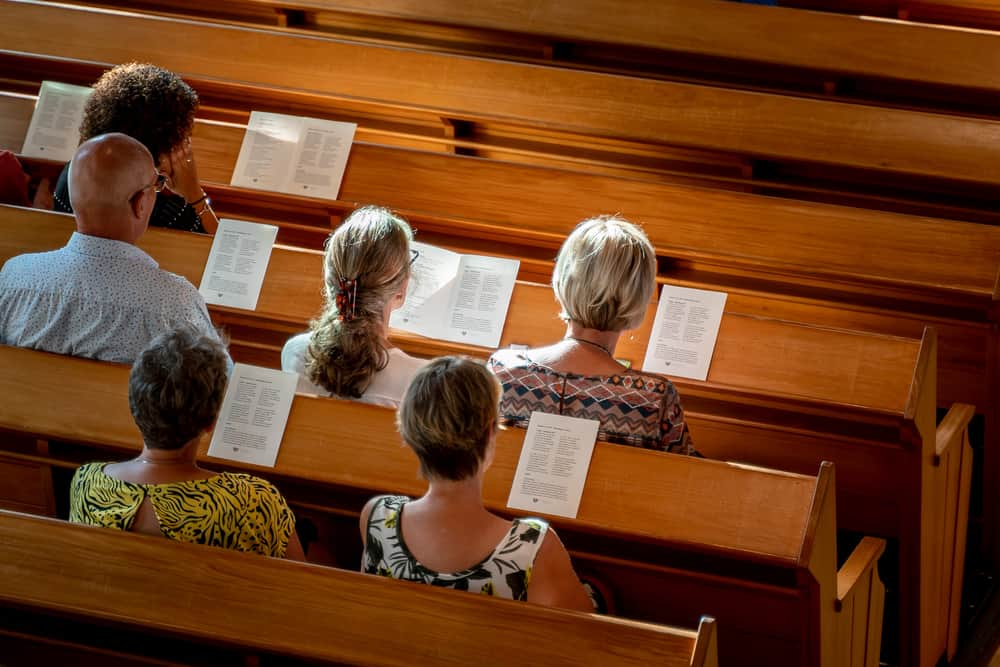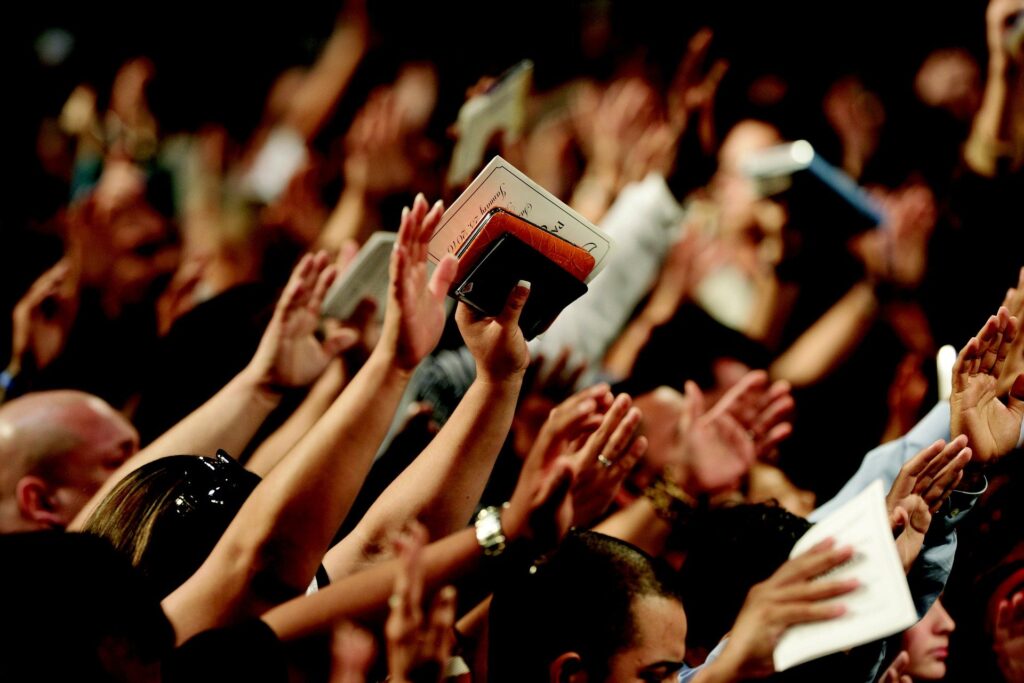
Religion’s influence in American life is back in the spotlight as the White House promotes a National Mall “revival” billed as a rededication of the nation. A new Pew Research Center survey shows more Americans now say religion’s influence is rising—and many call that a good thing.
Today, 37% of U.S. adults say religion is gaining influence, the highest share since 2002. Meanwhile, 61% say religion is losing influence, but the “gaining” share jumped 19 points since 2024. Overall, 55% express a positive view of religion’s role, either because its influence is growing and that feels good or because its decline feels bad.
Americans Draw a Line at Campaign Politics
Warm feelings about religion do not translate into open season on political preaching. Most Americans want houses of worship to avoid direct electioneering.
Pew finds 79% say churches and other houses of worship should not support candidates. And 66% say they should keep out of political matters rather than weigh in on day-to-day social issues. Those views have stayed largely steady in recent years, even as debates over values intensify.
Christian Nationalism Becomes More Familiar
The survey also tracks rising awareness of “Christian nationalism,” a term many Americans still find murky. Since 2024, familiarity has increased from 45% to 59% who say they have heard at least a little.
Opinions moved on both ends. Favorable views rose to 10%, and unfavorable views climbed to 31%. Still, large numbers remain unsure or unengaged, with many saying they have not heard of it or do not know enough to form an opinion.
Party Splits Deepen as Supporters and Detractors Square Off
Support for several ideas linked to Christian nationalism shows little change, but one measure ticked up. Seventeen percent now say the federal government should declare Christianity the official religion, up from 13% in 2024. Most still resist that step, preferring either to promote Christian moral values without an official religion (43%) or to promote neither (38%).
Partisans diverge sharply. Republicans more often say religion’s influence is positive and favor a larger role for Christianity in lawmaking, while Democrats more often favor church-state separation. The survey also finds cross-pressures: 52% say conservative Christians have gone too far in pushing values in government and schools, but 48% say secular liberals have gone too far in pushing religion out.
How Americans Feel About Religion’s Influence in Government and Public Life
About Post Author