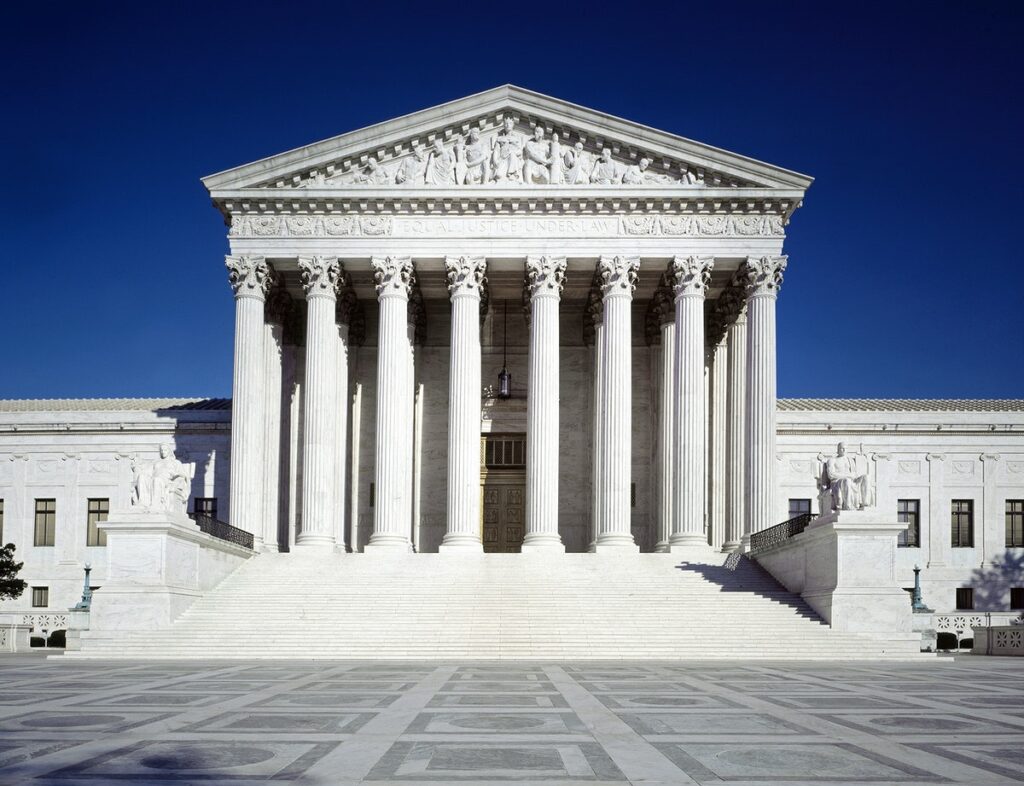
North Carolina Chief Justice Paul Newby has transformed the state’s judiciary through controversial decisions, political alliances and sweeping administrative changes. His leadership of the North Carolina Supreme Court has intensified concerns about judicial independence and partisan influence.
After Republicans gained a 5-2 Supreme Court majority in 2023, Newby helped overturn a ruling against partisan gerrymandering. The reversal allowed Republican lawmakers to redraw congressional districts before the 2024 election.
North Carolina subsequently elected 10 Republicans and four Democrats to Congress, compared with an evenly divided delegation in 2022. The court also reversed an earlier decision striking down voter identification requirements.
Political influence reshapes judicial elections and oversight
Newby’s influence extends beyond Supreme Court decisions. Since joining the court in 2004, he has cultivated relationships with Republican lawmakers and conservative legal organizations.
He supported eliminating public financing for judicial campaigns and restoring partisan elections. Both changes increased the influence of political organizations and wealthy donors.
After becoming chief justice in 2021, Newby exercised broad administrative authority. He replaced senior court personnel, reassigned judges and appointed conservative allies to influential positions.
Former judges and court employees also described an atmosphere of intimidation. Some feared professional retaliation for challenging his decisions.
Judicial ethics questions intensify scrutiny
Newby’s conduct has raised additional questions about judicial accountability.
ProPublica identified undisclosed financial relationships, political contributions and potential conflicts involving cases Newby decided. These included a ruling benefiting an adoption agency he previously founded.
Newby declined requests to address the allegations.
Supporters defend reforms as critics warn of politicization
Supporters, including Republican Sen. Thom Tillis, argue Newby has countered judicial activism and restored legislative authority.
But critics say he has weakened institutional safeguards and consolidated partisan power.
Former Republican Justice Bob Orr argues that Newby’s influence has effectively shielded conservative legislative priorities from judicial challenges.
Legal scholars warn that North Carolina’s increasingly politicized courts could become a model for other states, threatening public confidence in judicial independence.
Photo by TJ Wallace on Unsplash
Source: How Paul Newby Made North Carolina a Blueprint for Conservative Courts
About Post Author