The Codex Gigas, or “Giant Book,” is the largest surviving medieval manuscript in the world. Believed to have been written in the early 13th century, the tome originates from the Czech town of Podlažice. Legend says it was created overnight by a monk facing entombment, who struck a deal with the Devil to finish the impossible task. The chilling origin myth, paired with a haunting illustration of a demonic figure, earned it the enduring nickname: the Devil’s Bible.
A Vast Collection of Medieval Knowledge
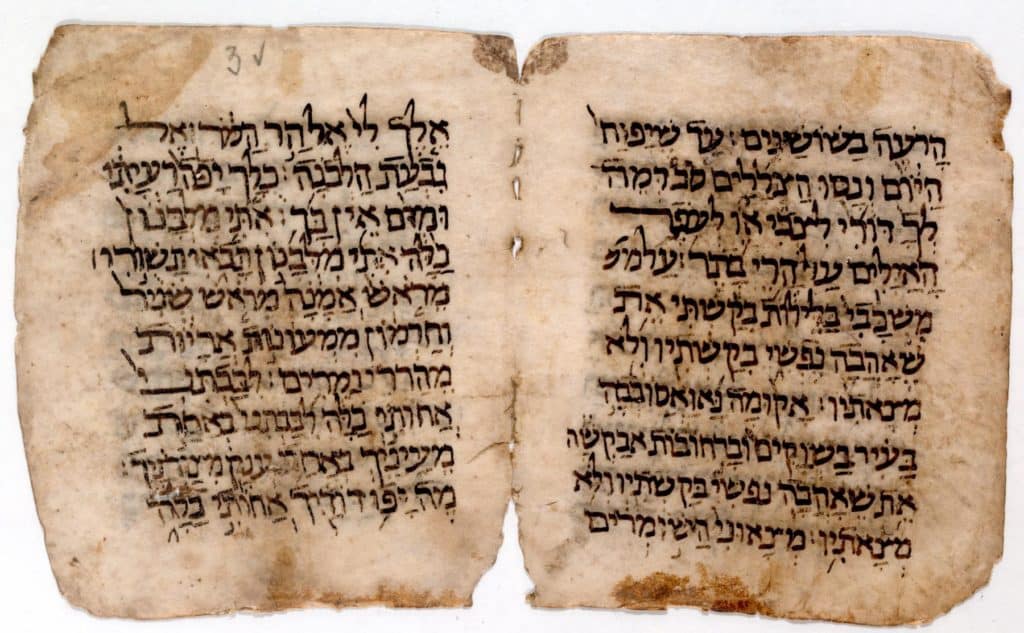
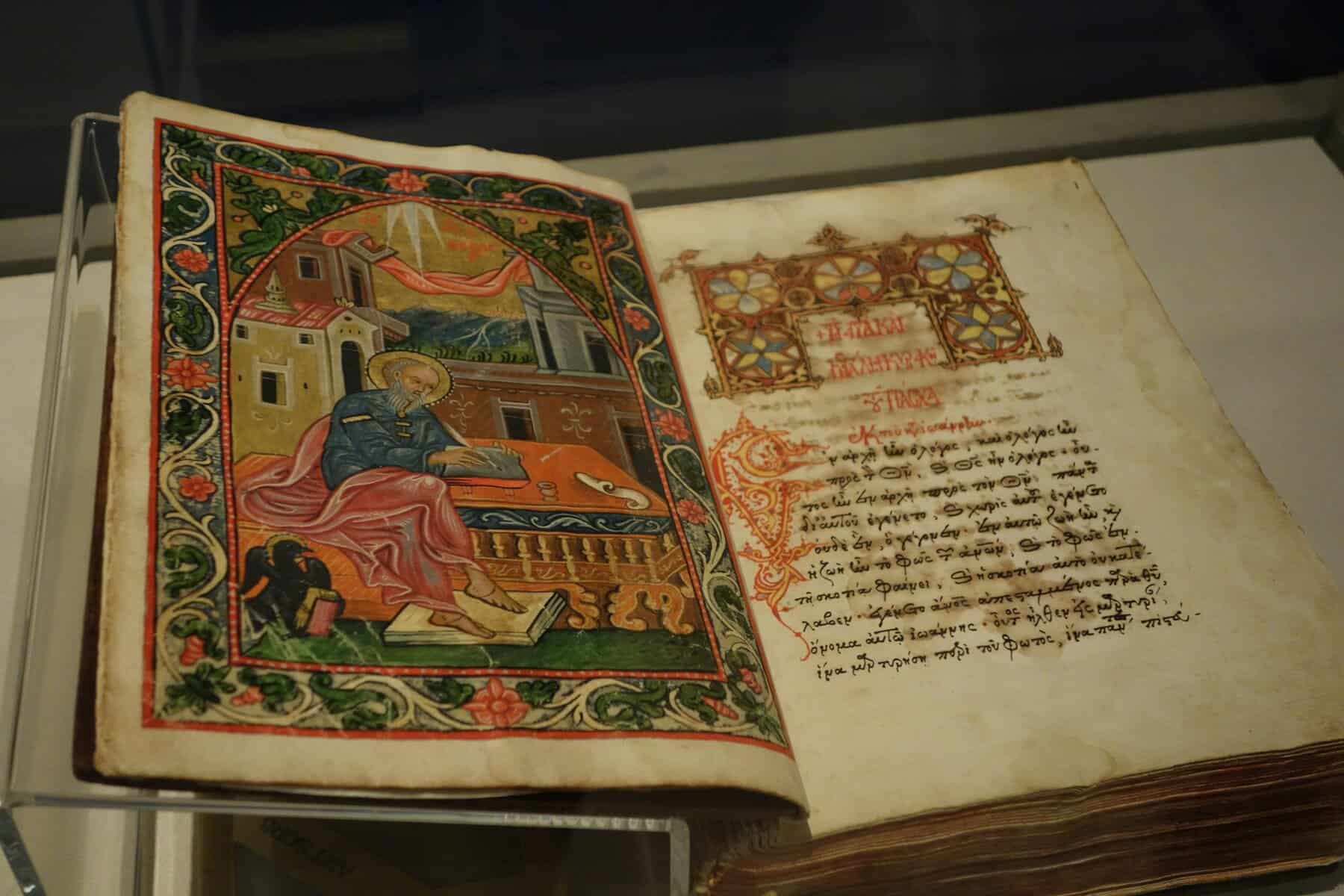
Unlike typical illuminated manuscripts, the Codex Gigas contains multiple texts. It includes the complete Bible, historical works by Flavius Josephus, theological writings by Isidore of Seville, and a medieval history of Bohemia. Alongside these are magical incantations, medical texts, a calendar, and alphabetic studies. At 165 pounds and measuring three feet tall, the book consists of 310 vellum pages, likely made from over 160 animal skins.
The centerpiece is a full-page image of a horned demon, facing a celestial illustration possibly representing Heaven. Positioned between texts on penitence and exorcism, the imagery fuels speculation about its symbolic meaning—particularly regarding Christian views on salvation and damnation.
Theories and Skepticism Among Scholars
Though the legend claims the Codex was written in one night, historians agree this is impossible. Experts believe it was written between 1204 and 1230 AD, probably by a single monk. A note inside identifies Podlažice Monastery as its first known home. The book later changed hands multiple times within the church before entering the imperial collection of Holy Roman Emperor Rudolf II, a known occult enthusiast.
Skeptics dismiss supernatural claims, citing evidence of consistent handwriting and ink, which suggests years of steady work, not a midnight miracle.
A Legacy of Hauntings and Occult Fascination
After Sweden’s military victory in the Thirty Years’ War, the Codex was taken to Stockholm, where it remains at the National Library. There, it continued to inspire ghost stories. A 19th-century tale recounts the story of a guard who went insane after seeing the book float through the air. Rumors also claim that August Strindberg, a renowned Swedish author and occultist, attempted to contact spirits by secretly reading the Codex by candlelight.
Supporters, Detractors, and Ongoing Debate
Supporters of the legend view the Codex Gigas as a spiritual artifact, possibly touched by dark forces. They point to its bizarre imagery and disturbing history as signs of its supernatural origin. Detractors, meanwhile, highlight the evidence of human craftsmanship and religious devotion. To them, the Codex is a monumental—but entirely human—achievement.
Source:
Inside the ‘Devil’s Bible,’ the Largest Medieval Manuscript Ever Made
Photo by Aleksandra Sapozhnikova on Unsplash
About Post Author