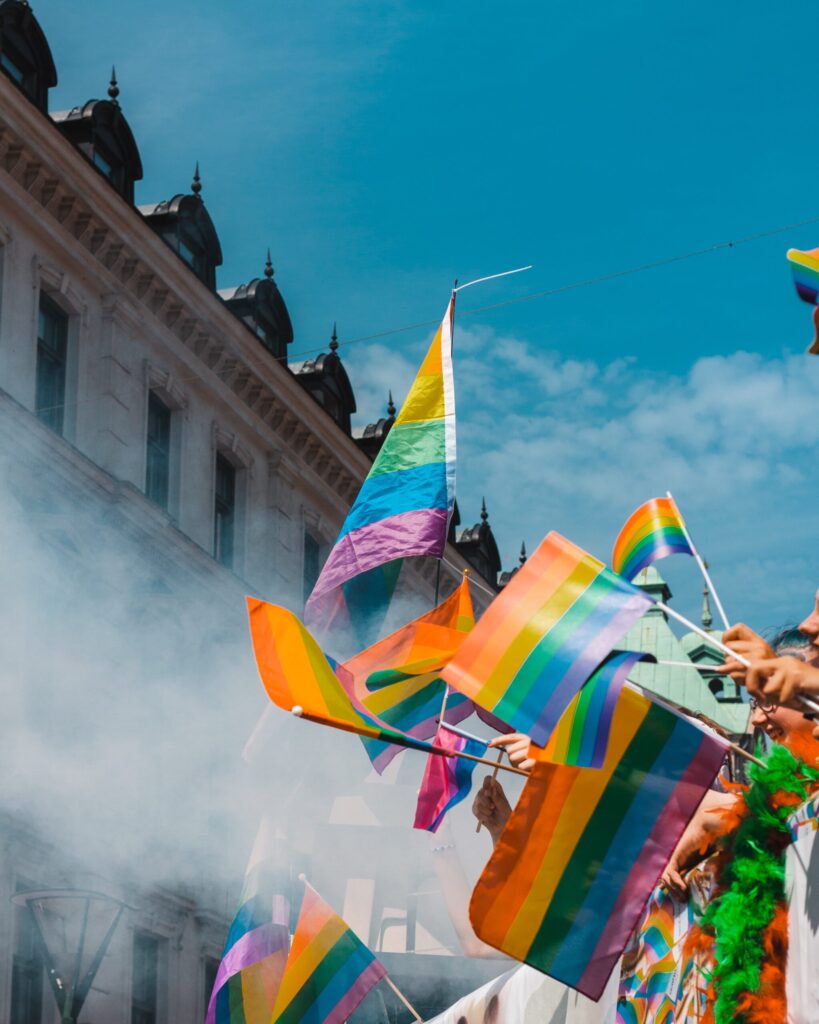
Survey maps a changing LGBTQ America
PRRI LGBTQ rights survey shows strong support, sharp divides, and rising LGBTQ identification among young Americans. The national survey from PRRI, released March 19, drew on interviews with more than 22,000 people. One in ten Americans identifies as LGBTQ, and the share climbs fast with age. Twenty percent of adults ages 18 to 29 identify as LGBTQ. But only 4% of those 65 and older do.
Politics and faith mark LGBTQ demographics
The survey shows LGBTQ Americans skew Democratic and liberal. Forty percent identify as Democrats, compared with 28% overall. And 51% say they are liberal, nearly double the national share. Religion also separates groups because 51% of LGBTQ Americans are unaffiliated. Only 27% of Americans overall say the same.
Nondiscrimination support stays high, but geography matters
Most Americans back nondiscrimination protections for LGBTQ people. The survey puts support at 72% nationally, with 90% of Democrats in favor. Independents support it at 76%, but Republicans split at 56%. States vary sharply, and Massachusetts, Maryland, Alaska, and D.C. rank highest. Mississippi, Wyoming, and Arkansas rank lowest.
Marriage and service refusals show sharper partisan lines
Support for same-sex marriage stands at 65% in 2025, up from 53% in 2015. Democrats support it at 83% and independents at 69%. Republicans remain divided, with 49% in favor. Only Mississippi and Arkansas fall below majority support. Most Americans also oppose religiously based service refusals, at 59% overall.
Transgender rights, Christian nationalism, and youth shifts
Many Americans agree that transgender people deserve equal rights and protections, at 71%. Yet 56% support bathroom laws tied to sex at birth, so policy details shift opinions. Christian nationalism predicts views: only 40% of adherents support equal protections for transgender people. PRRI LGBTQ rights survey shows strong support, sharp divides, and rising LGBTQ identification among young Americans. Support among ages 18 to 29 for nondiscrimination fell from 80% in 2015 to 70% in 2025, while support among young Republicans fell from 74% to 50%.
Supporters and detractors weigh stakes
Supporters point to broad backing for protections and marriage equality across many faiths, and they cite personal ties that soften attitudes. Detractors stress religious freedom claims and argue transgender policies have gone too far, especially in the Republican Party. Both sides see growing polarization, but they disagree on whether civil rights or conscience deserves priority.
New survey reveals most Americans back LGBTQ rights, amid divides within religions
Photo by Campaign Creators on Unsplash
About Post Author