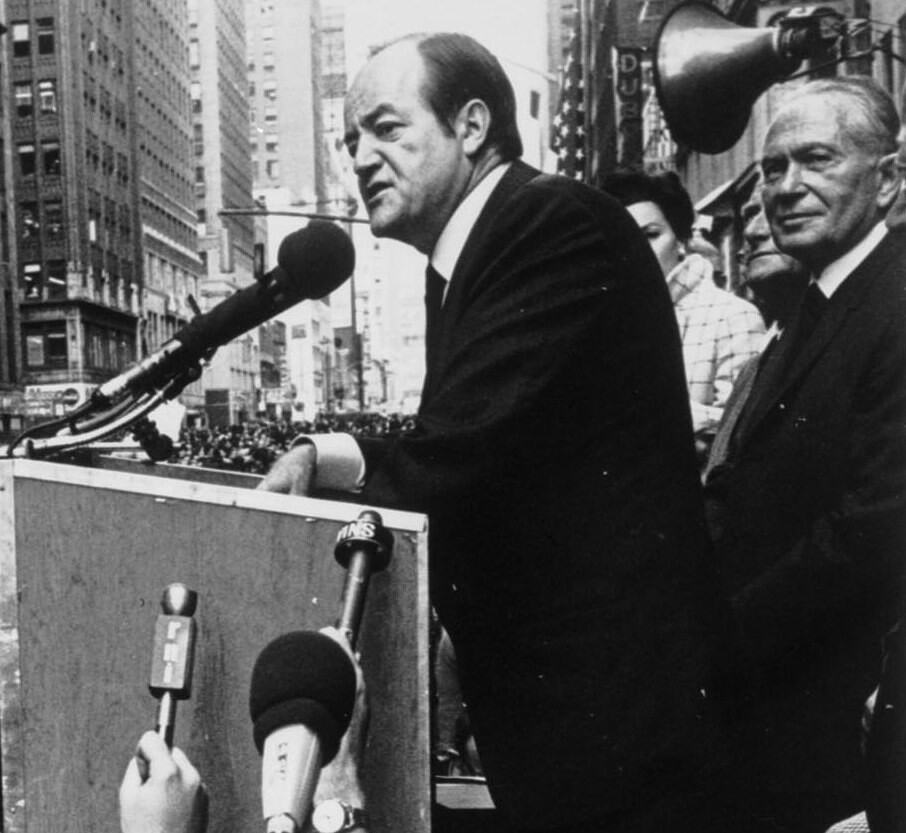
![Civil Rights March on Washington, D.C. [Dr. Martin Luther King, Jr. and Mathew Ahmann in a crowd.], 8/28/1963](https://www.faithonview.com/wp-content/uploads/2026/01/unseen-histories-bTF3gkd2L28-unsplash.jpg)
A Hard-Won National Holiday
The journey to make Martin Luther King Jr. Day a federal holiday lasted 15 years and faced intense opposition. Civil rights activists, led by figures like Coretta Scott King and Congressman John Conyers, pushed for the holiday to honor King’s legacy. They argued that his leadership in the civil rights movement deserved national recognition. Supporters also saw it as a way to acknowledge ongoing racial injustice in America.
Congressional Resistance and Corporate Pressure
Despite public support, Congress resisted the proposal for years. Many lawmakers claimed it would be too expensive to add another federal holiday. Others questioned whether King’s legacy warranted such an honor. But momentum shifted in the 1980s, partly due to grassroots campaigns and growing public pressure. Stevie Wonder’s 1980 song “Happy Birthday” became a rallying cry. Additionally, petitions with millions of signatures urged lawmakers to act.
Ronald Reagan Signs, But Not Without Controversy
In 1983, President Ronald Reagan signed the bill into law, making Martin Luther King Jr. Day a federal holiday. However, he initially expressed reluctance and cited cost concerns. Critics accused him of yielding only due to mounting public and political pressure. Even after the law passed, several states resisted observing the holiday. Some created alternative celebrations or combined it with Confederate commemorations, drawing sharp criticism.
Grassroots Action and Corporate Support
Widespread observance didn’t come immediately. Activists and communities kept pressing states to adopt the holiday. Corporate America played a surprising role as well—companies like IBM and General Motors began honoring the day before it was widely recognized. Their actions helped normalize the holiday in the workplace and pushed local governments to follow suit.
Legacy of a National Commitment
Today, Martin Luther King Jr. Day stands as a symbol of America’s struggle for racial justice. It took persistent grassroots efforts, celebrity advocacy, and political compromise to secure its place. Supporters view it as an essential reminder of King’s vision. Yet detractors argue that the holiday alone is not enough to address systemic issues. Even so, it continues to inspire civic engagement and reflection every January.
Source:
The 15 Year Battle for Martin Luther King Jr. Day
Photo by Unseen Histories on Unsplash
About Post Author