Babbitt’s Death Reframed by Trump and His Movement
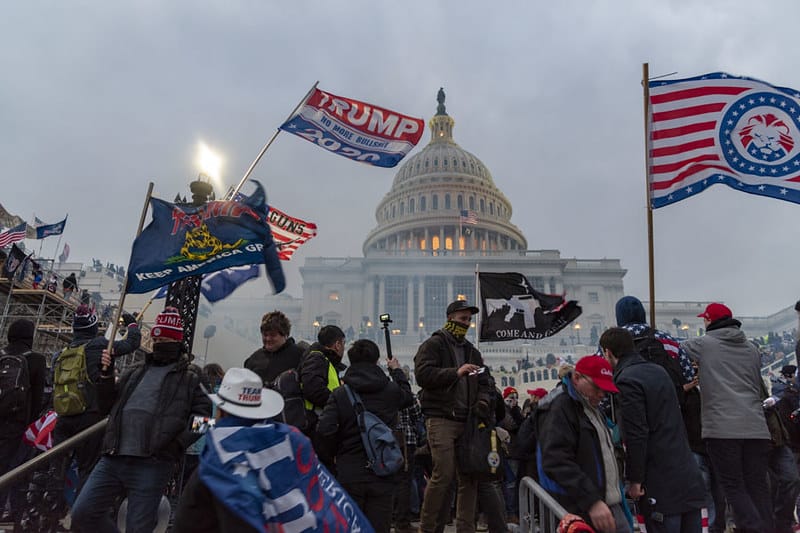
Ashli Babbitt, a 35-year-old Air Force veteran killed during the January 6 Capitol attack, became a pivotal figure in Donald Trump’s post-presidency rhetoric. Rather than portraying her as an insurrectionist, Trump cast Babbitt as a martyr and “an incredible woman” who died due to a lack of protection. Her death was used to fuel a core narrative of Trump’s second campaign: that women need safeguarding, especially from perceived political threats. Trump’s question — “Who killed Ashli Babbitt?” — reframed her death as a failure of justice, anchoring her memory as a symbol of victimhood rather than accountability.
From QAnon Believer to Political Martyr
Babbitt’s journey—from Obama voter to QAnon believer—primed her for radicalization. When Trump called on supporters to rally in Washington, she answered. Wearing a Trump flag, she tried to breach the Speaker’s Lobby and was shot by Lt. Michael Byrd, who was later cleared of wrongdoing. Despite clear video evidence, Trump’s base viewed Babbitt not as an attacker but as a victim of a corrupt system, turning her into a religious-style symbol of sacrifice. Supporters reshaped her image, aging her backward and minimizing her physical presence, reinforcing the idea that she was a vulnerable woman who needed protection.
Race, Gender, and the Power of Martyrdom
Journalist Jeffrey Sharlet describes Babbitt as “a perfect storm”—a white woman killed on camera by a Black officer. This racial dynamic added weight to her transformation into a martyr within the MAGA movement. Her smallness, blondeness, and veteran status helped her fit a long-standing narrative used by Trump: that white women are innocent victims needing male protection. These traits became essential to the story, obscuring her actions and reinforcing political messaging intended to elicit emotional responses among key voter blocs.
Weaponizing Women’s Deaths in Political Narratives
Babbitt’s story echoes that of Laken Riley, a Georgia student killed by an undocumented immigrant. Trump politicized both deaths to stir fear and gain support, especially from suburban white women. Critics like Meghan Tschanz and Hilary Matfess argue these narratives serve political power, not genuine concern for women’s safety. They emphasize how the “protection” offered is selective and used to justify authoritarian control. The portrayal of these women as innocent victims overlooks the deeper complexities of their lives and deaths, ultimately reducing them to tools in a broader strategy of manipulation and control.
Memorialization Over Complication
While Babbitt was active in the Capitol riot, her legacy has been sanitized. Trump’s supporters transformed her into a symbol of vulnerability, ignoring the complexity of her role. Experts warn that this type of martyrdom silences more profound questions about gender roles in extremist politics. Once someone becomes a hero, Matfess noted, their more troubling aspects are erased. The reframing of Babbitt’s story as one of protection and sacrifice allows her to serve a cause that might have marginalized her had she lived. This erasure of nuance is central to her enduring political utility.
Source:
The making of a MAGA martyr
Photo by Brendan Beale on Unsplash
About Post Author