A Complicity I Can No Longer Ignore
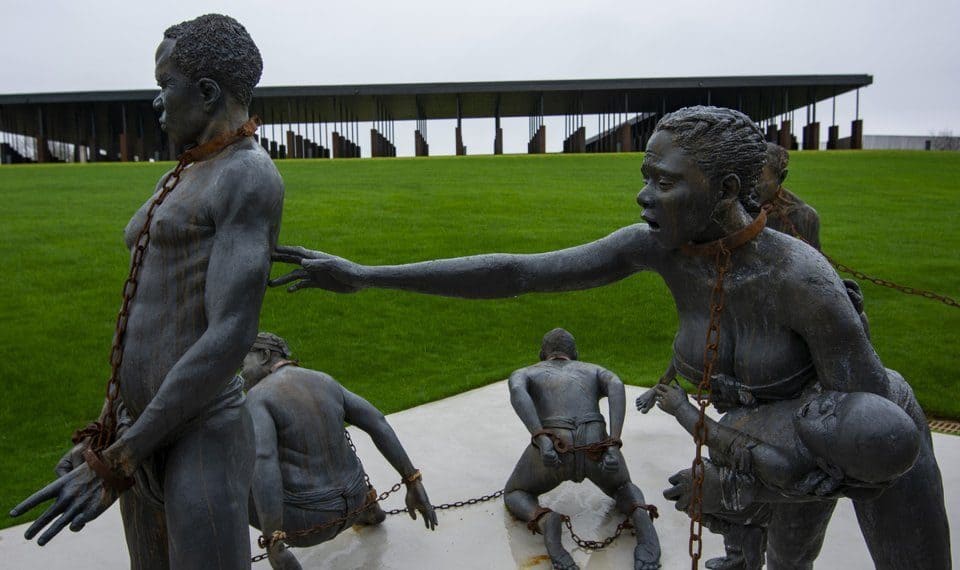
I am convinced there is a concerted effort to move this nation backward, and I have been complicit. Let me explain what I mean by this. First, this is not white guilt. It is an acknowledgment that I continue to benefit from a system that was built by people who look like me for people who look like me. That kind of truth does not sit quietly. It interrupts the old stories we told ourselves about merit and hard work being the whole of it. My acknowledgment moves me to be more than an “ally” for those who are being abused by this system, but rather to become an accomplice in dismantling it. I recognize this for several reasons. It shouts at us daily from the political and cultural headlines, like a siren we keep trying to ignore, but it was also something that I recognized early on, growing up in rural Northeast Arkansas.
Privilege in Poverty
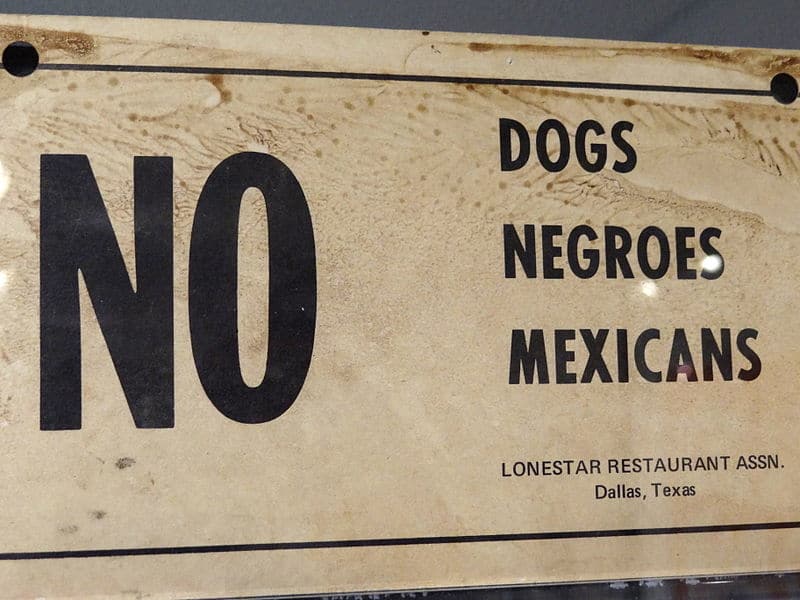
What I discovered very early on is that even though my family was poor, and we lived in one of the most historically impoverished areas in the country, I was still treated dramatically differently from my Black peers growing up in the same context. That difference was not subtle. It was stitched into every interaction, every glance, every assumption. For instance, no one treated me as a suspect. People were always willing to help me when I asked and often volunteered to assist me if I were having issues. No one crossed the street to avoid me, and no one assumed just by looking at me that my motives or intentions were nefarious. I was given the benefit of the doubt like it was a birthright, like it was oxygen.
This is something that Black people, and people of color, and now members of the LGBTQ or trans community report experiencing in their daily lives, but from the opposite side of the blade. Suspicion instead of trust. Distance instead of welcome. Fear instead of curiosity. That contrast is not accidental. It is constructed. It is maintained.
Pentecostalism, Race, and Borrowed Fire
I inherited a religious experience in Pentecostalism that had powerful beginnings centered in egalitarian spaces that emphasized equality in Christ, but it was not long before white supremacy did what it always does. It pushed back, slowly at first, then with precision, appropriating what it wanted and excluding those who brought about those religious innovations. The fire was borrowed, but the people who lit it were pushed to the margins. The result was a collection of mostly mediocre white folks participating in Black spiritual expressions that were cheap imitations. A form of spiritual “Black face,” if you will, where participants engage in wild emotional and performative worship without acknowledging its problematic histories and then blaming it on the Holy Ghost. We danced in rhythms we did not respect. We shouted in voices we did not understand. And then we sanitized the origin story so we would not have to wrestle with the truth.
When Faith Becomes Avoidance
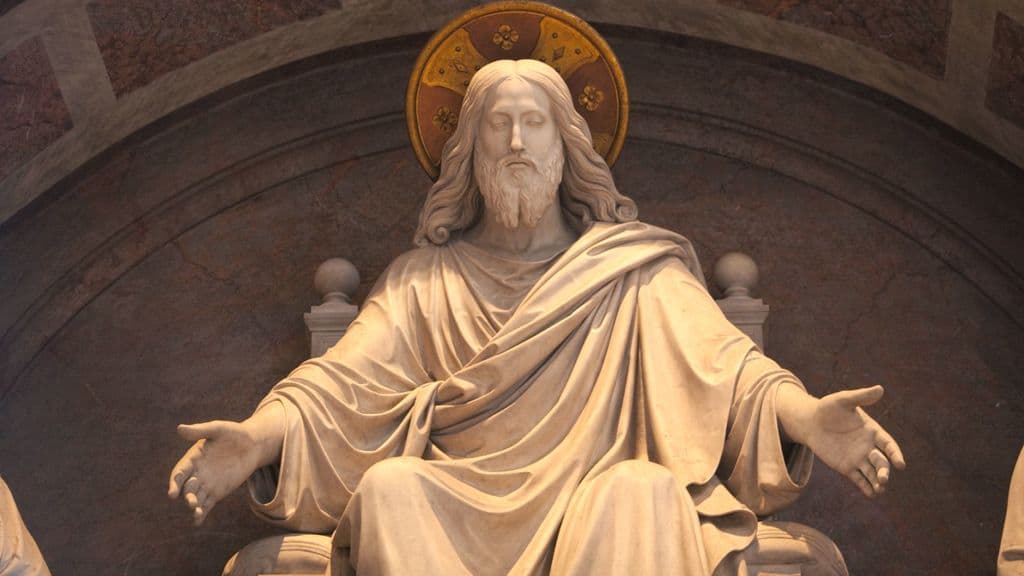
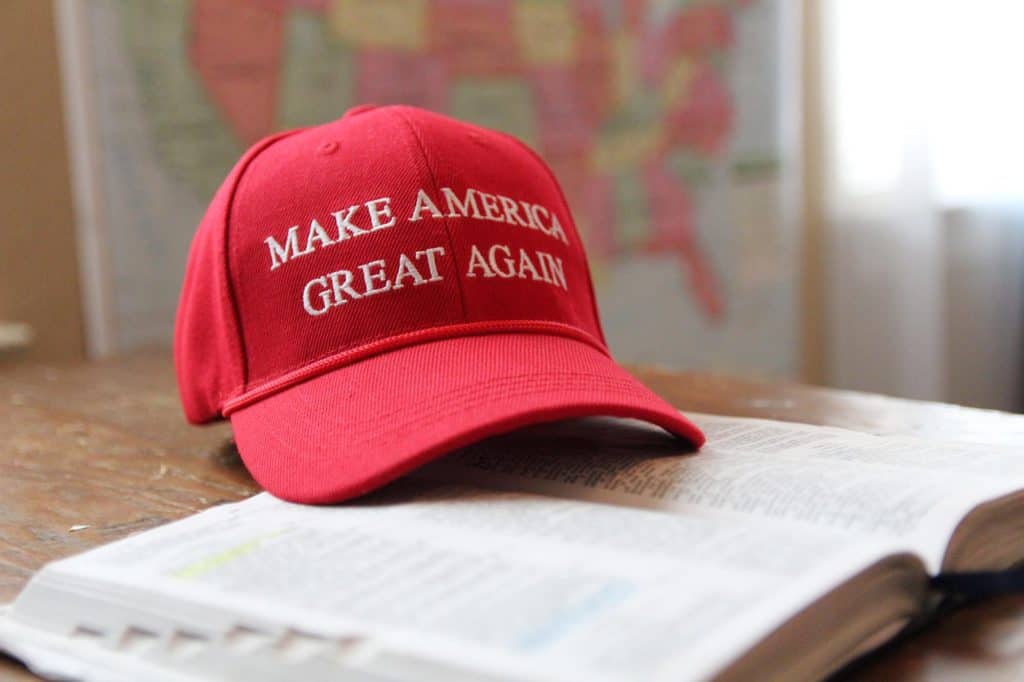
There is a temptation in these circles to spiritually bypass every problem with thought-stopping clichés like “Only Jesus can fix it.” It sounds holy. It sounds safe. It lets us off the hook. The problem, of course, is that he is not responsible. We are. Faith becomes a hiding place instead of a call to action. If the stats are to be believed, roughly 80 percent of evangelicals voted for Donald Trump. They claim to do so for ostensibly spiritual reasons that run the gamut from “I don’t support the man, just his policies” to “Trump is chosen by God to lead us to greatness.” That kind of language is not neutral. It baptizes power. It wraps policy in prophecy. It makes critique feel like heresy.
Spiritual Language with Political Consequences
These spiritualisms have real-world consequences. They are not abstract debates held in the quiet corners of theology. They show up in courtrooms, in classrooms, in hospital waiting rooms, in who gets heard and who gets silenced. We see it in the gradual narrowing of voting protections, where legal standards shift just enough to make challenges harder and representation easier to dilute. We see it in policies that restrict access to the ballot through ID laws, reduced polling access, or purges of voter rolls that disproportionately affect marginalized communities.
The Pattern of Backlash
We see it in immigration policies that lean toward exclusion and deterrence rather than refuge and reform, where families are separated, or asylum becomes harder to obtain. We see it in attempts to limit how race and history can be taught in schools, reshaping the narrative to avoid discomfort at the cost of truth. We see it in the rollback of protections for LGBTQ individuals, where legal recognition and safety become contested terrain rather than settled ground. None of this happens in isolation. It forms a pattern. A slow turning of the wheel backward, dressed up as order, tradition, or even righteousness.
From Acknowledgment to Action
So here is where it lands for me. Complicity is not just what I have done. It is what I have allowed. It is the systems I have moved through without question, the benefits I have received without interrogation. But if I am honest about that, then I do not get to stay there. Acknowledgment without action is just performance. If I have been shaped by this system, then I have a responsibility to undo it where I can. That means telling the truth even when it costs me something. That means refusing easy spiritual answers that keep things exactly as they are. That means standing close enough to the fire of justice that it burns off the illusion that I was ever neutral in the first place.
Photo by Darren Halstead on Unsplash
About Post Author